together with +ch studio berlin
Project Team: Christian Cotting, David Gössler, Patrick Holzer, Rebecca Buus
Start of planning: 05/2023
Estimated project period: 2023 – 2030
Scope of services: Urban Design / Masterplan, HOAI Phases 1-8
Gross floor area: 34.600 m2
Client: Borghardt Stiftung
Use: social care, education, administration, events / concerts
Visualisation: Jason Kanlisi
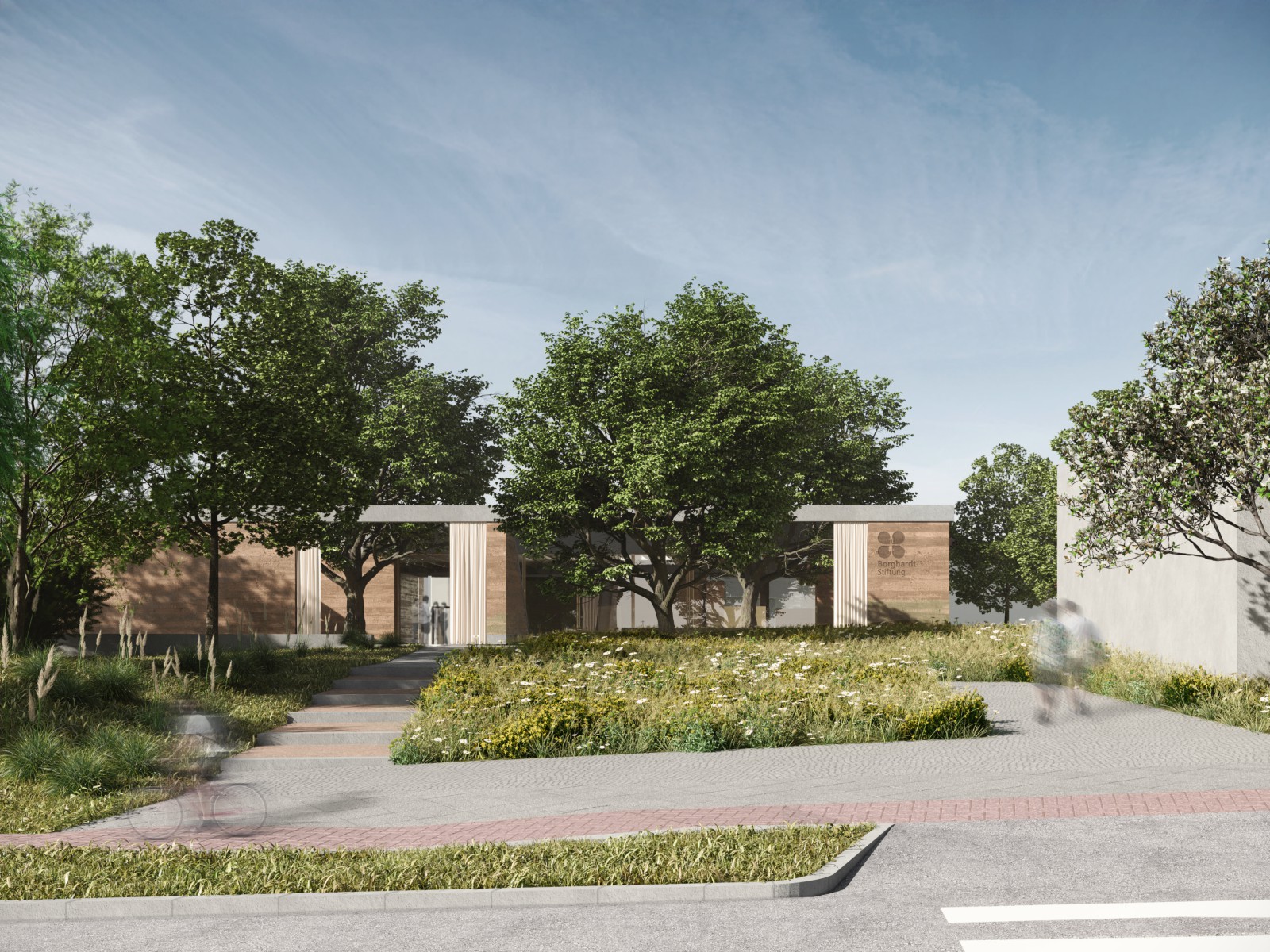
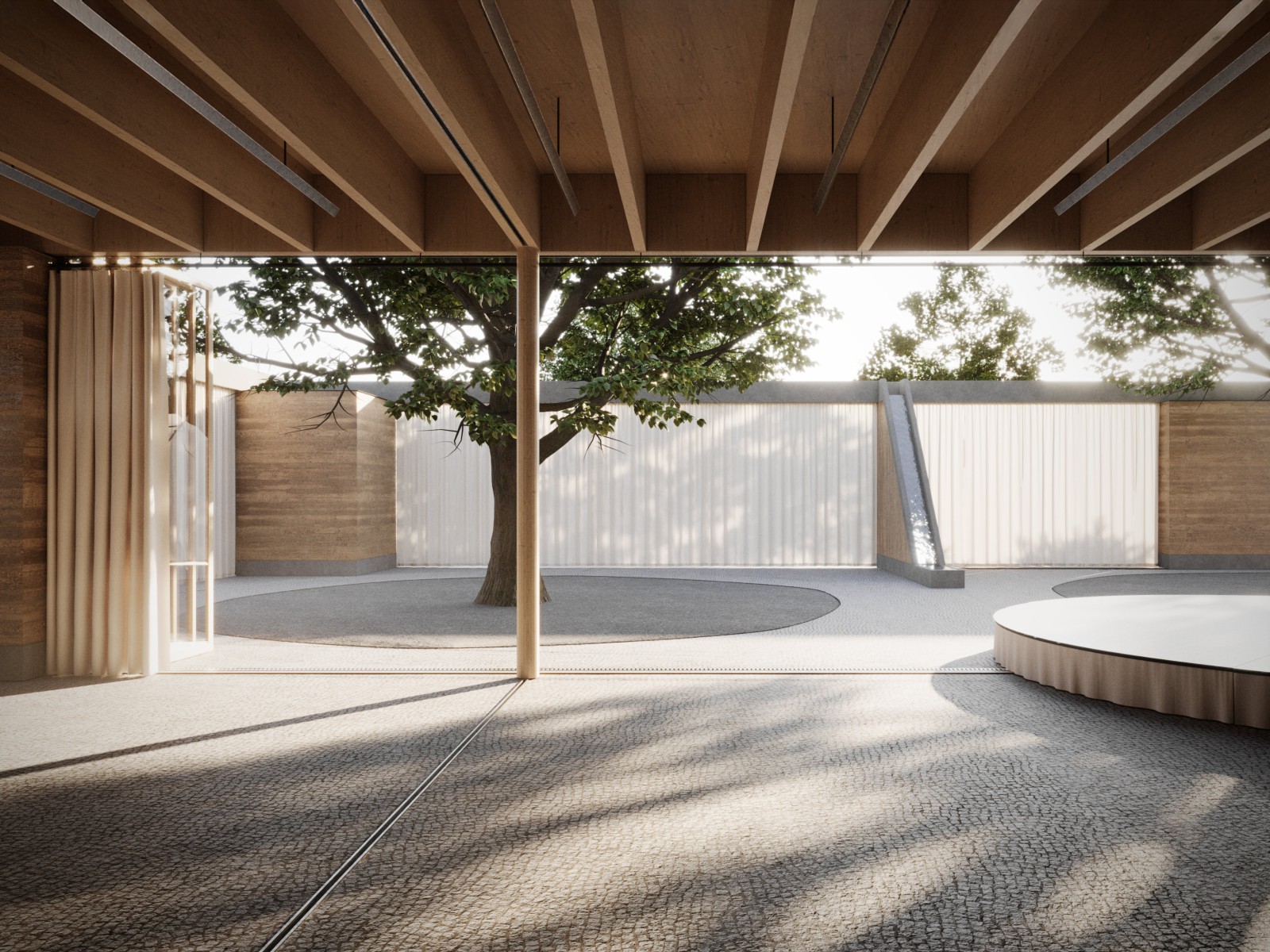
The Borghardt Stiftung in Stendal is embarking on a new chapter in its nearly 150-year history. While looking back on its rich past, the foundation is also looking ahead to shape a visionary future for the foundation's grounds.
The grounds will be opened to the city of Stendal and developed into a lively center. A new entrance and a new piazza will invite visitors to explore the grounds and the Borghardt Hall and linger in a café. Inclusion and connection are the focus: events and spatial offerings will promote exchange between the residents of the grounds and with the city community. Different living spaces provide orientation and inspire through diverse sensory experiences. The place is designed to welcome seniors and families with children with disabilities and to enable a harmonious community.
Borghardt Stiftung
together with undjurekbrueggen
Project team: Aimée Michelfelder, David Gössler, Jakob Wolters, Jurek Brüggen, Nina Lehrum, Patrick Holzer
Start of planning: 01/2022
Construction period: 10/2023 - 07/2025
Scope of services: HOAI Phases 01-08
Gross floor plan: 440 m2
Client: private
Photos: Anne Schwalbe
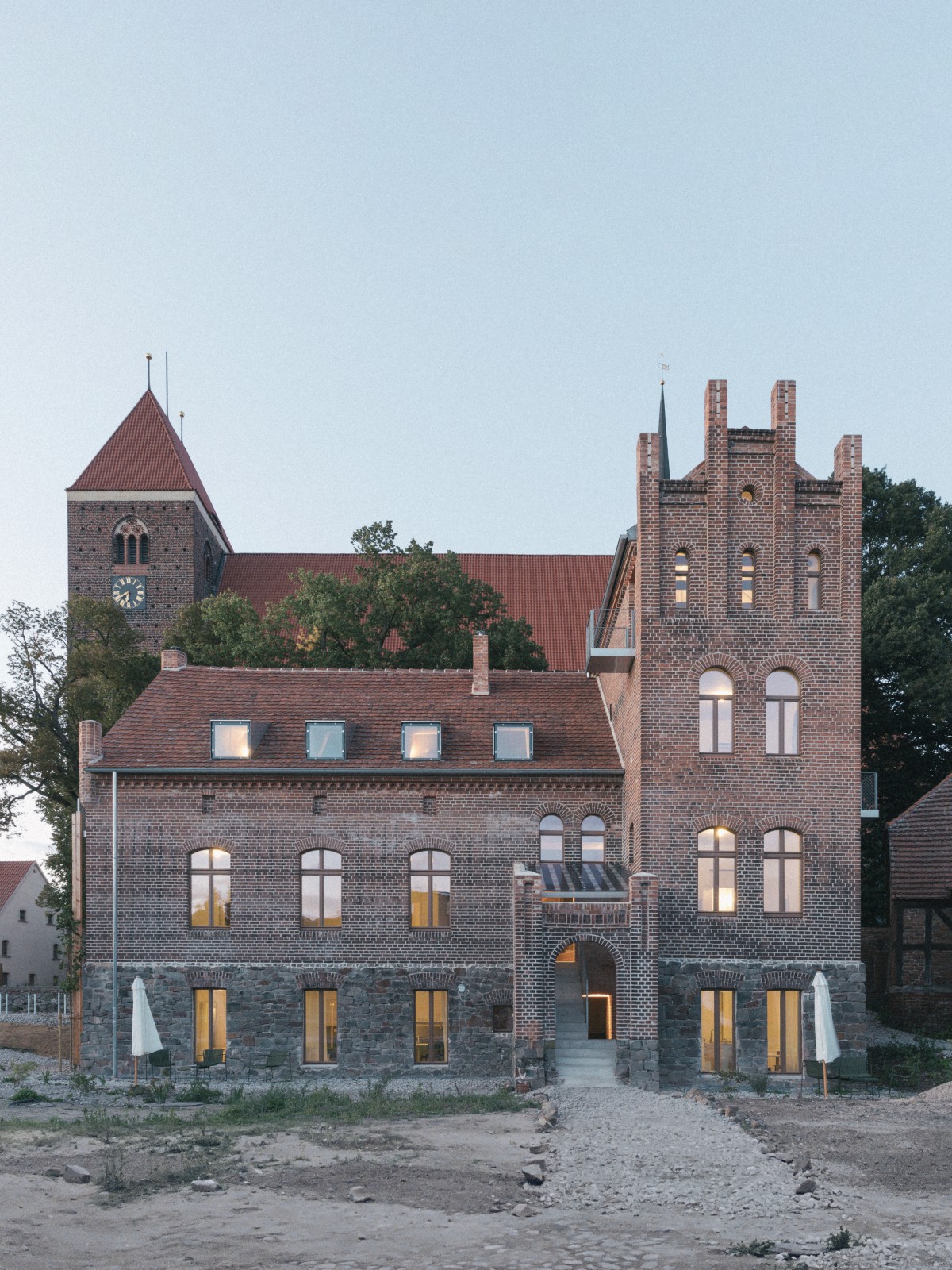
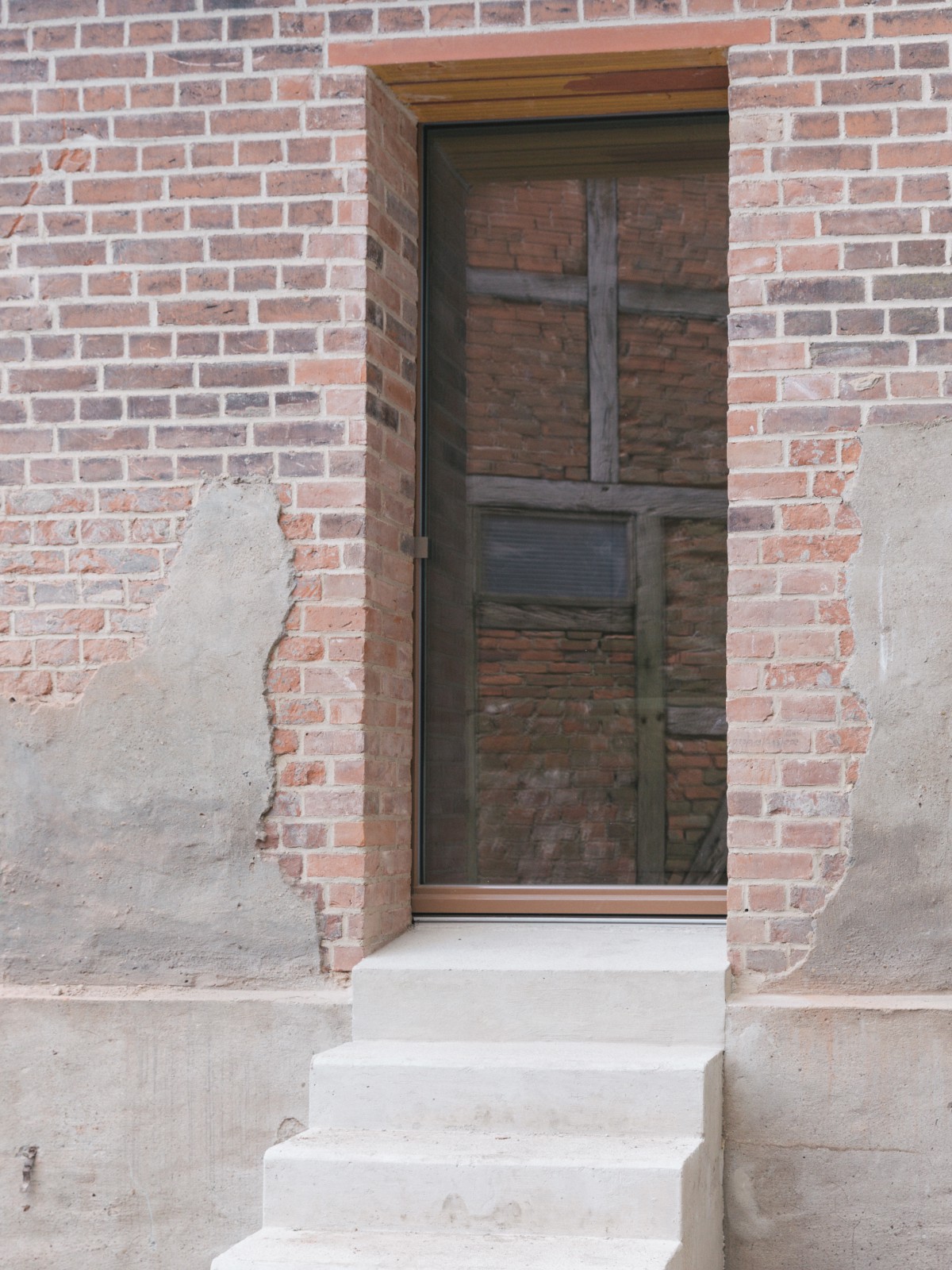
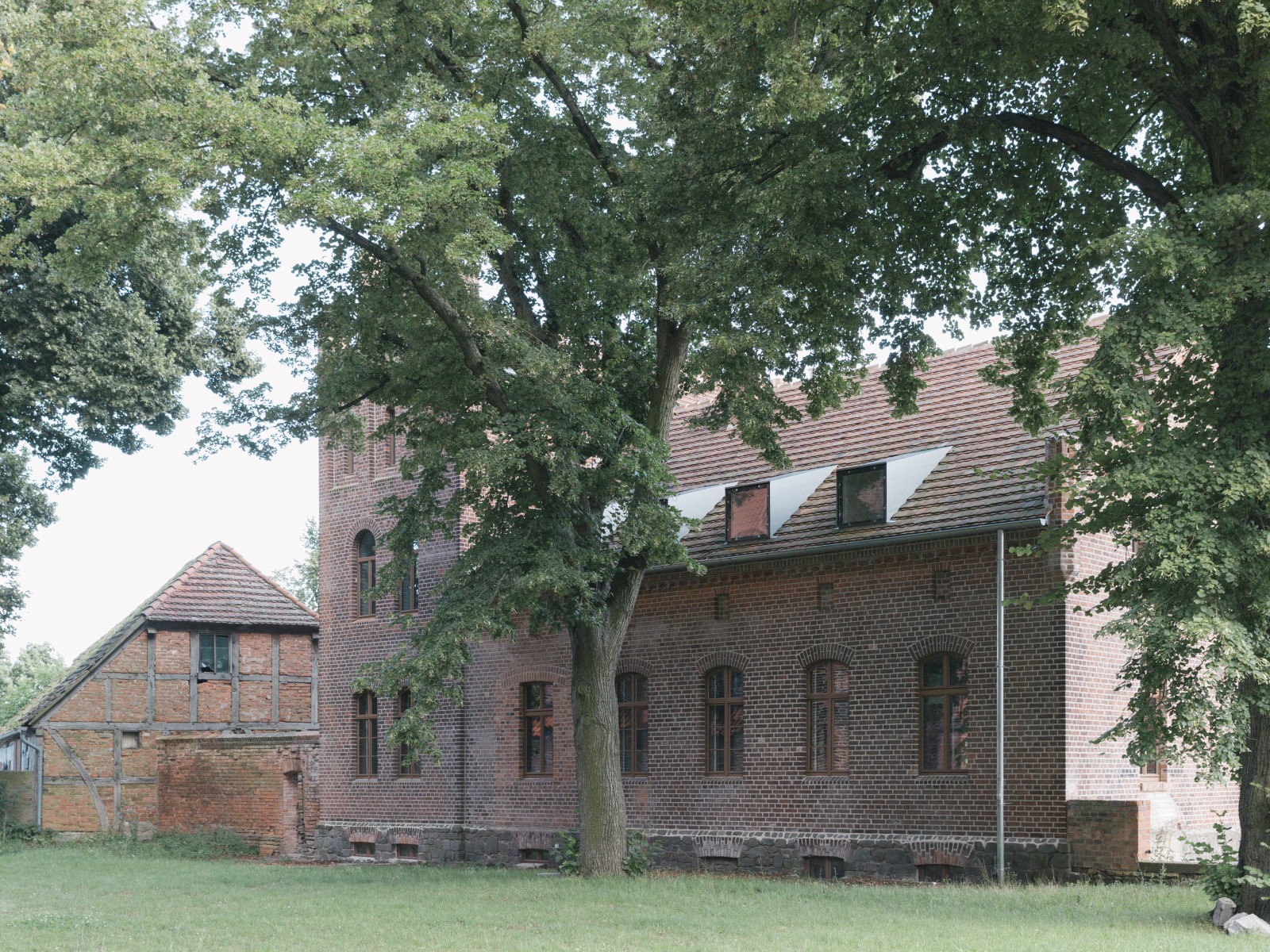
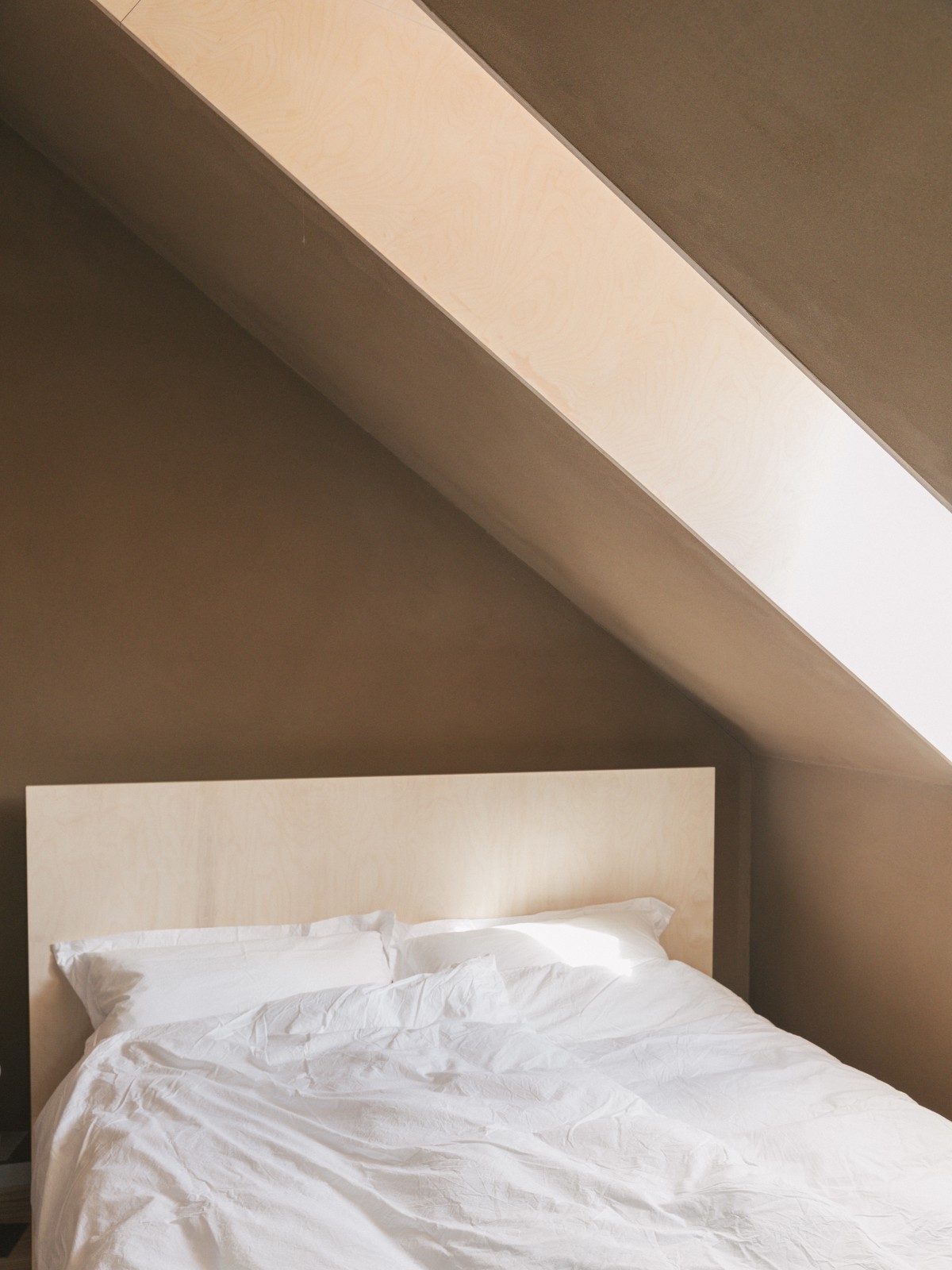
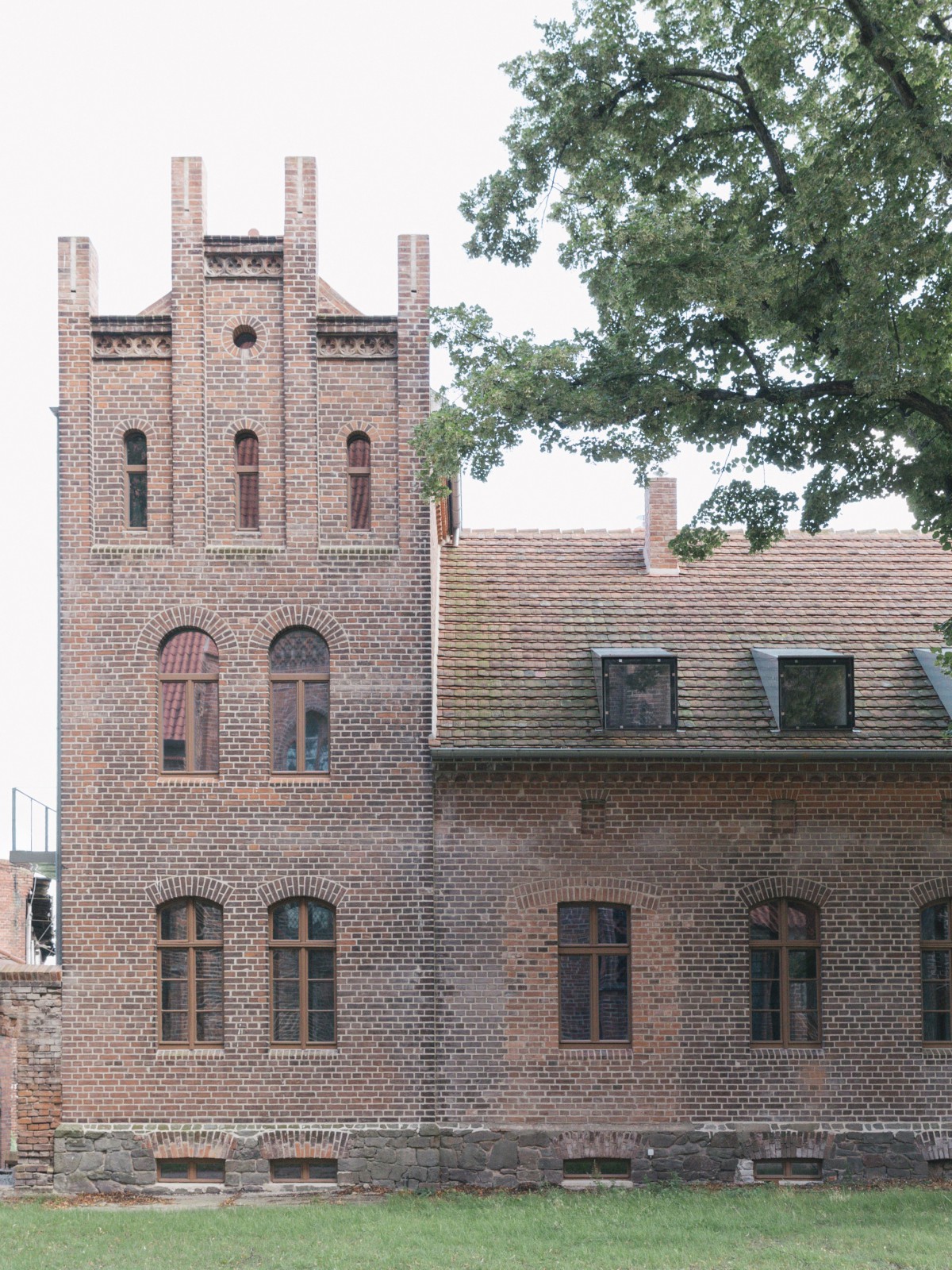
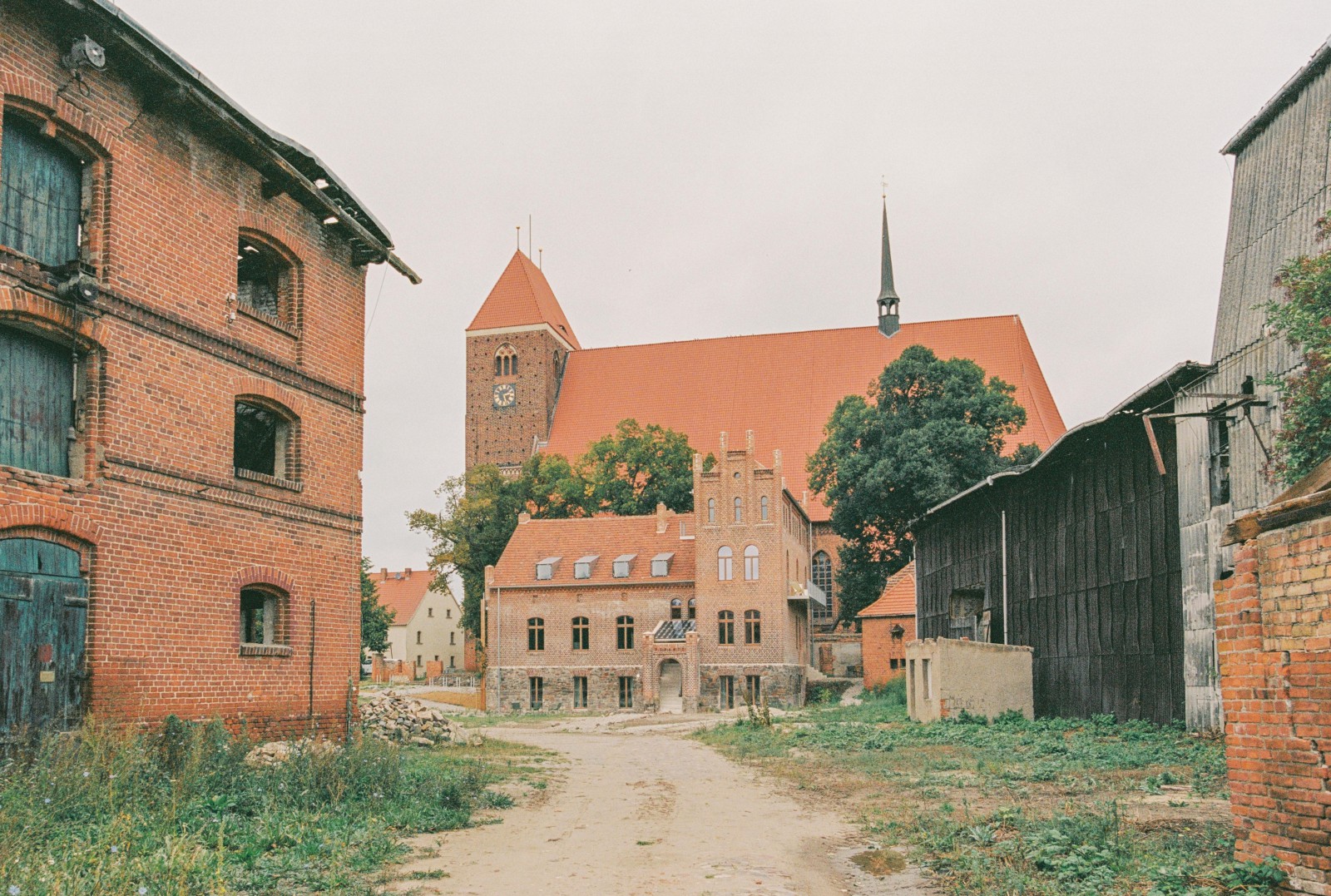
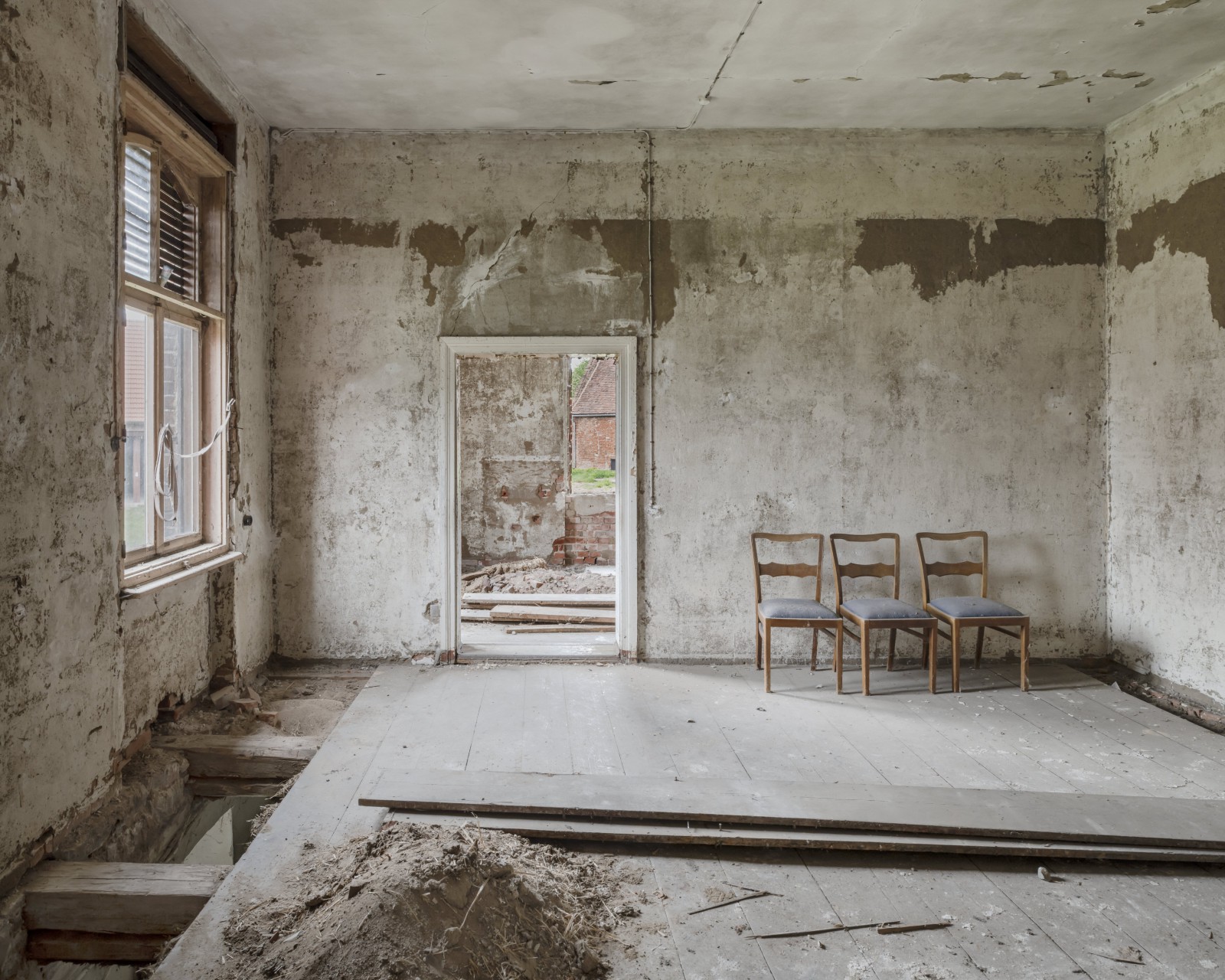
The Verwalterhaus at Komturei Werben, a medieval Order of St John complex, was restored using hemp-lime, clay plaster, wood fibre, reed mats and reused brick — preserving 1,000 years of embodied energy and transforming a vacant building into six sustainable homes.
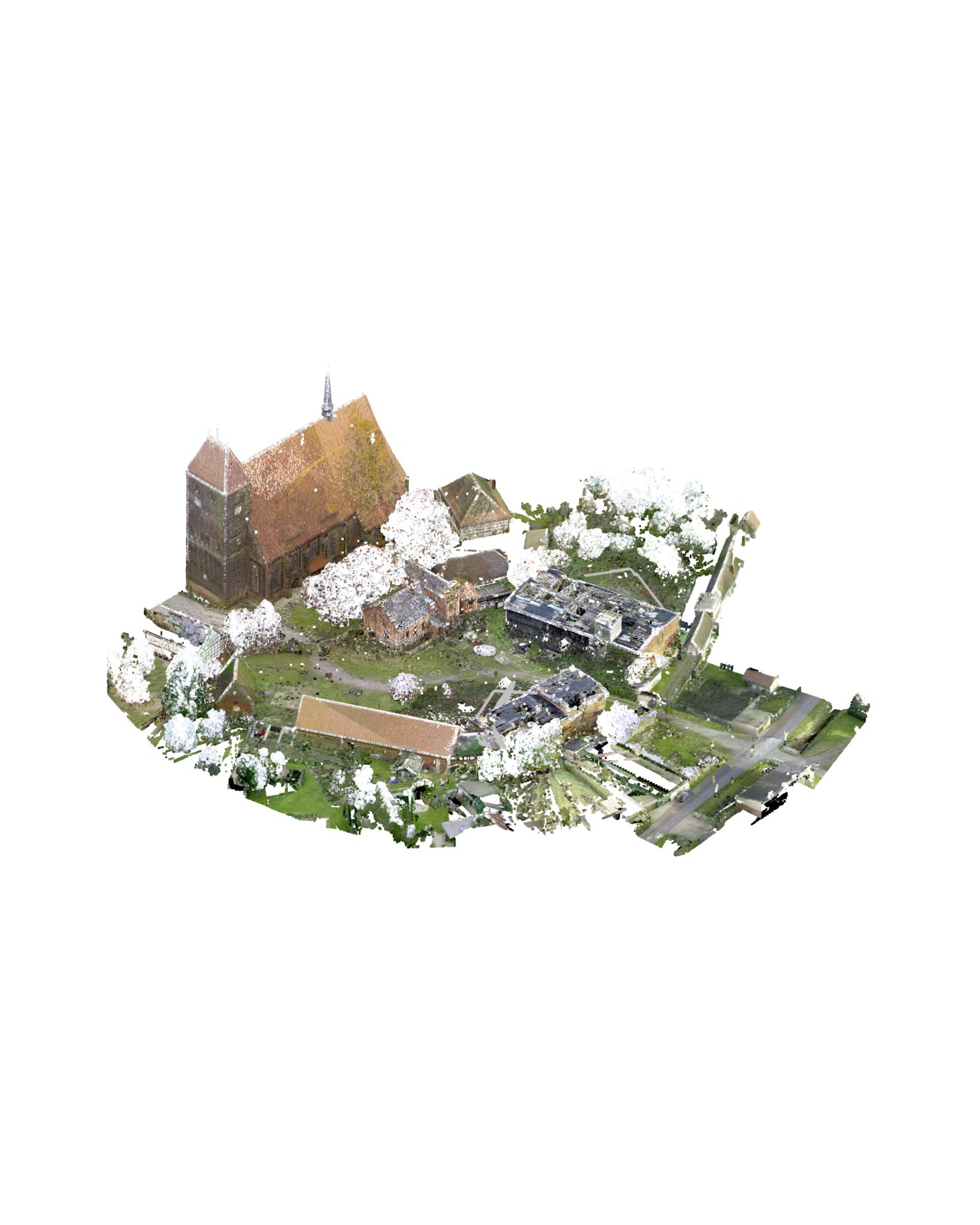
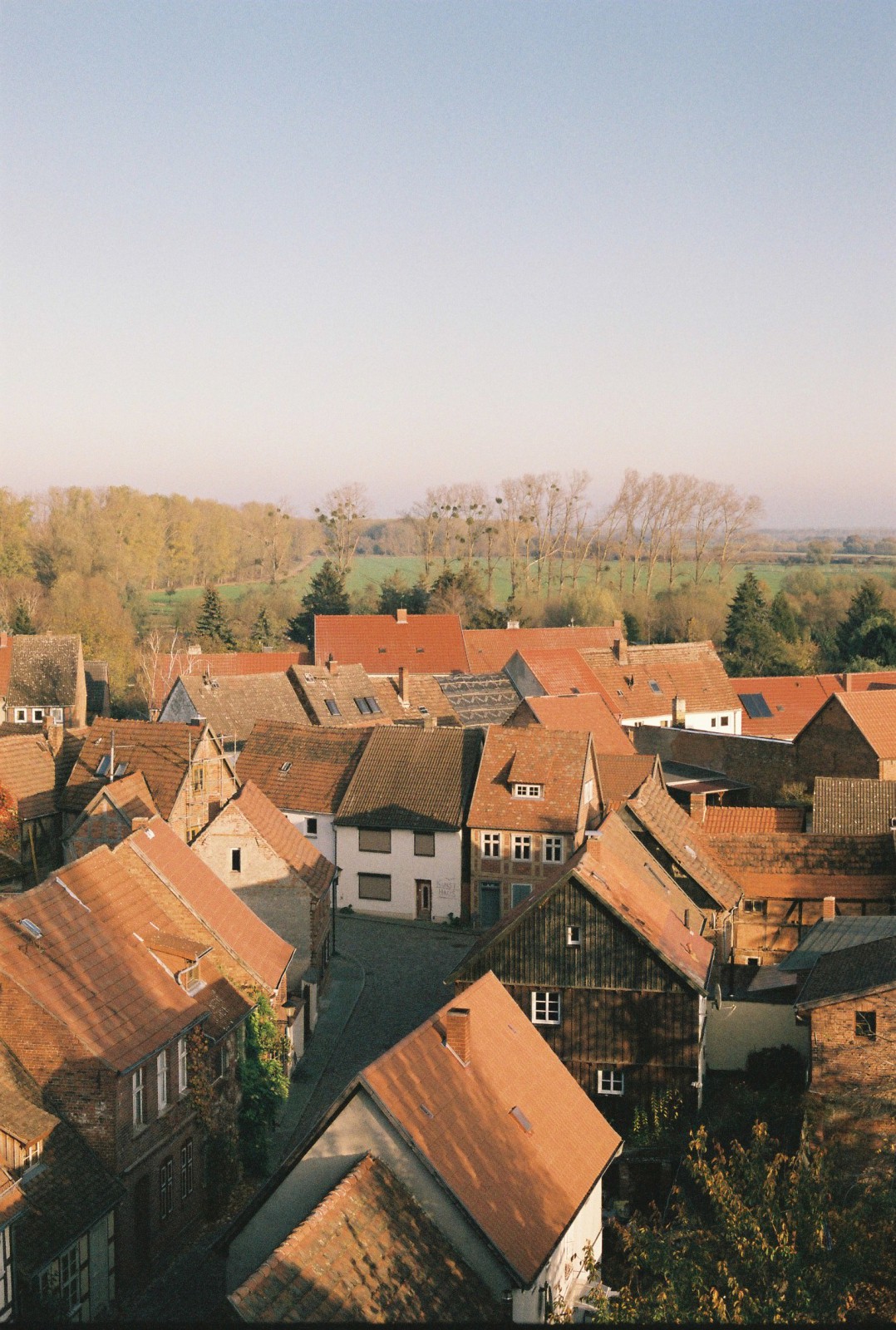
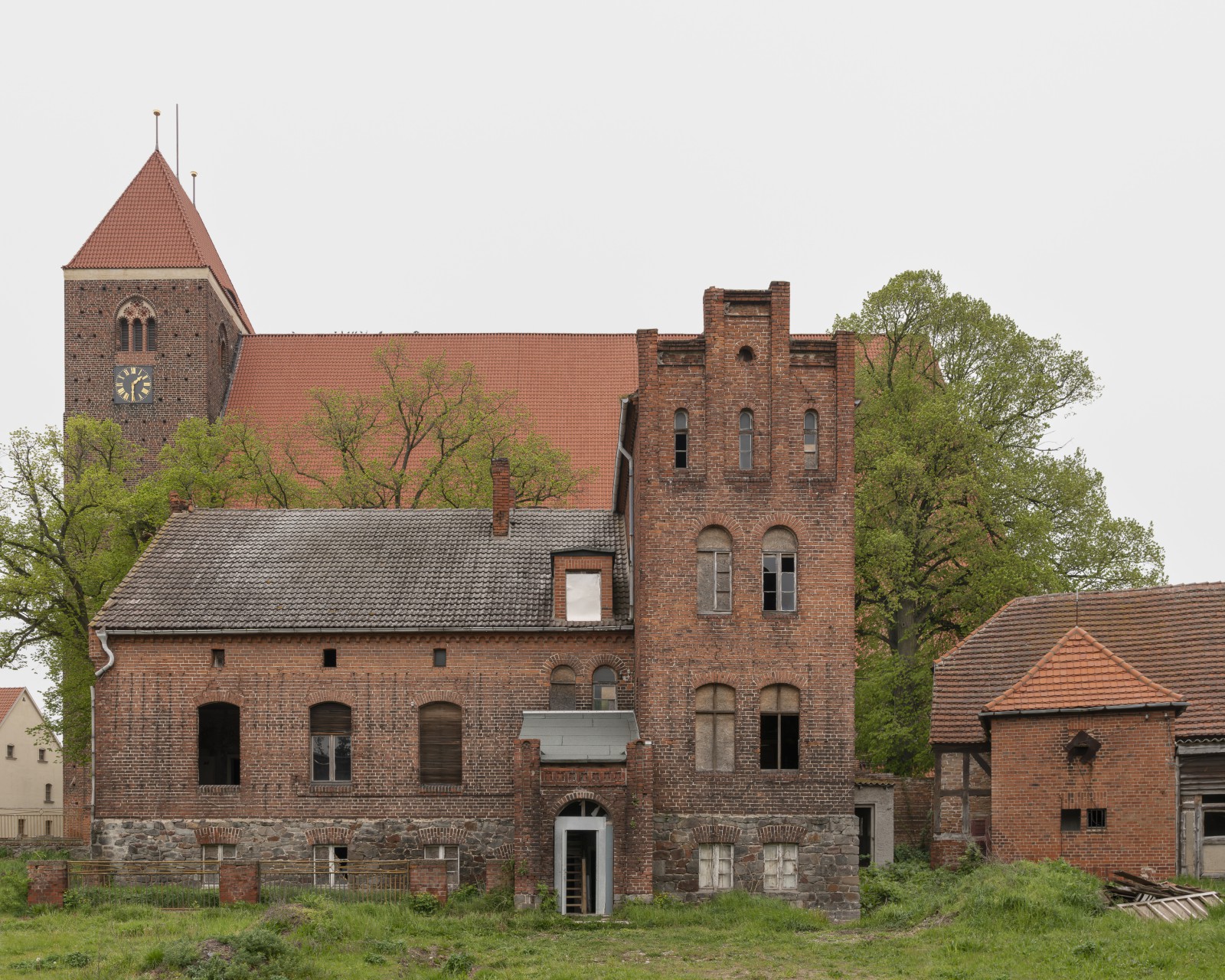
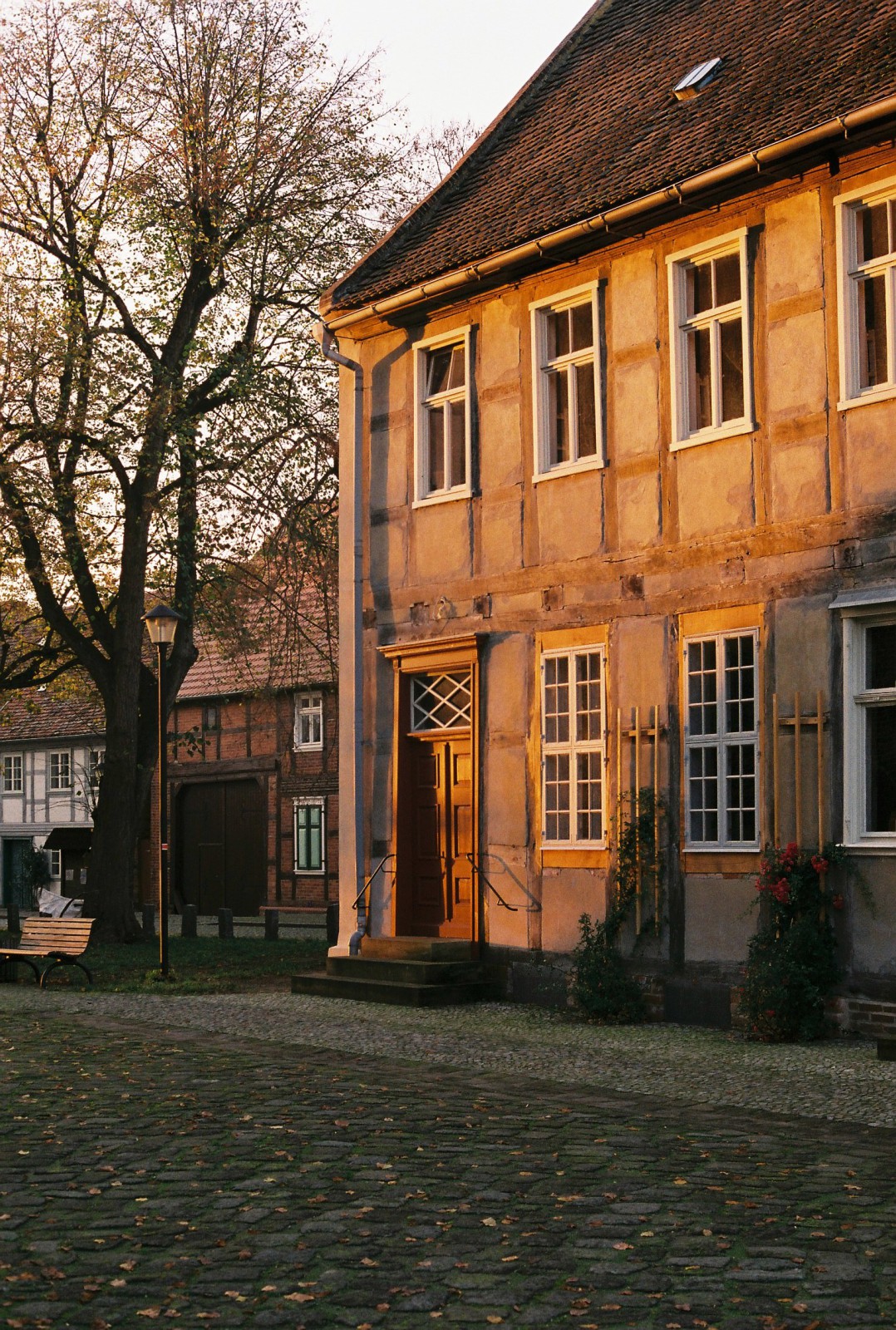
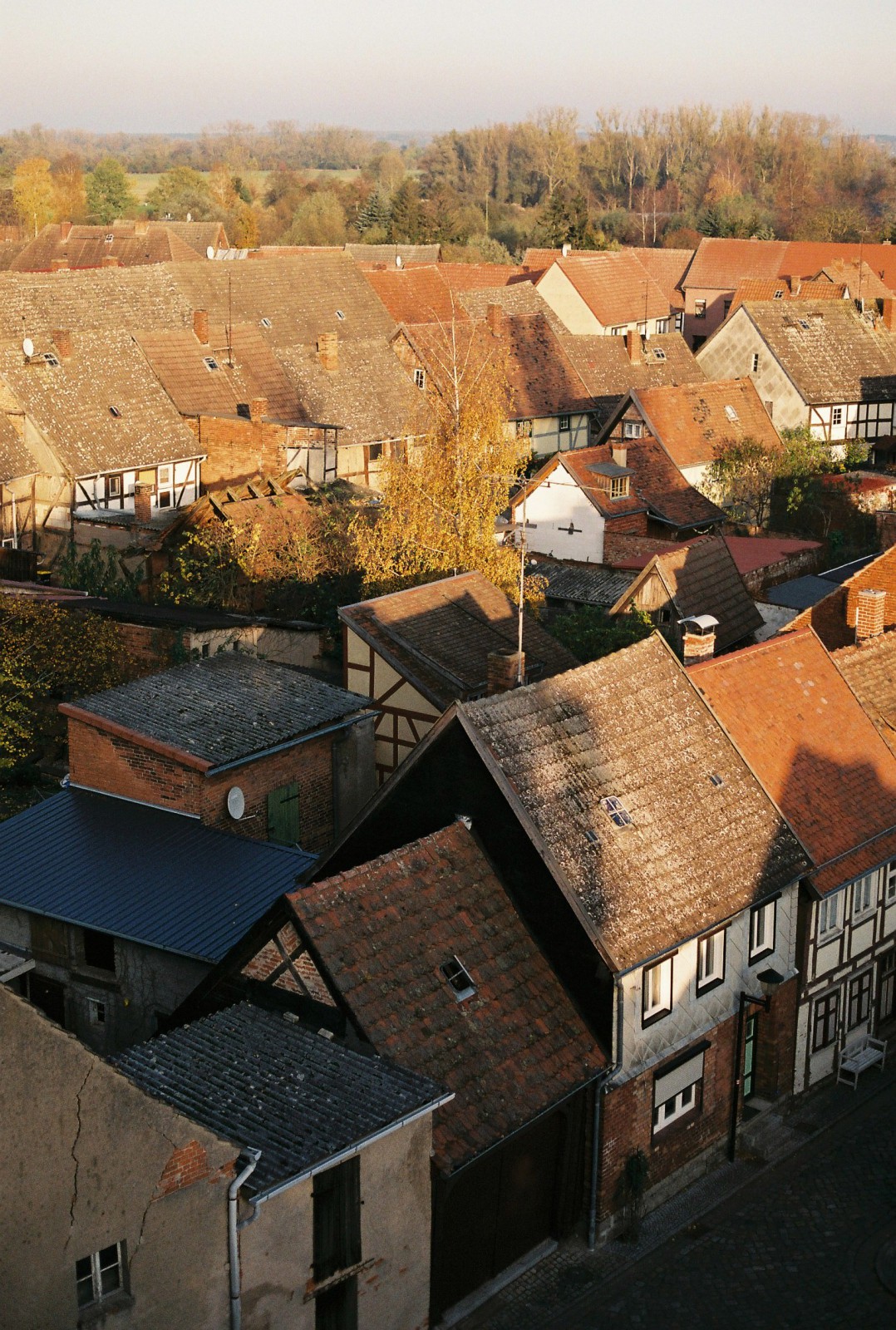
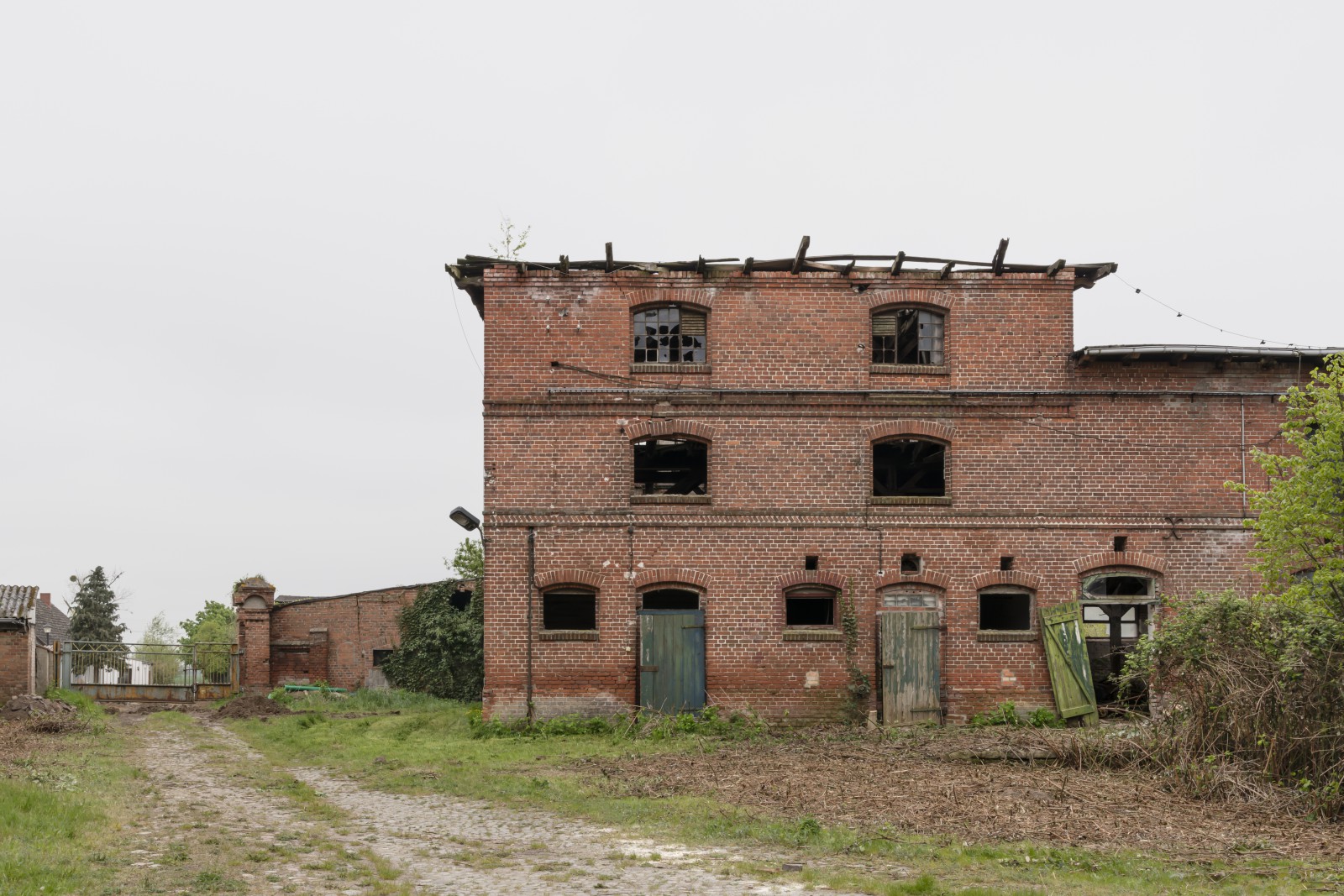
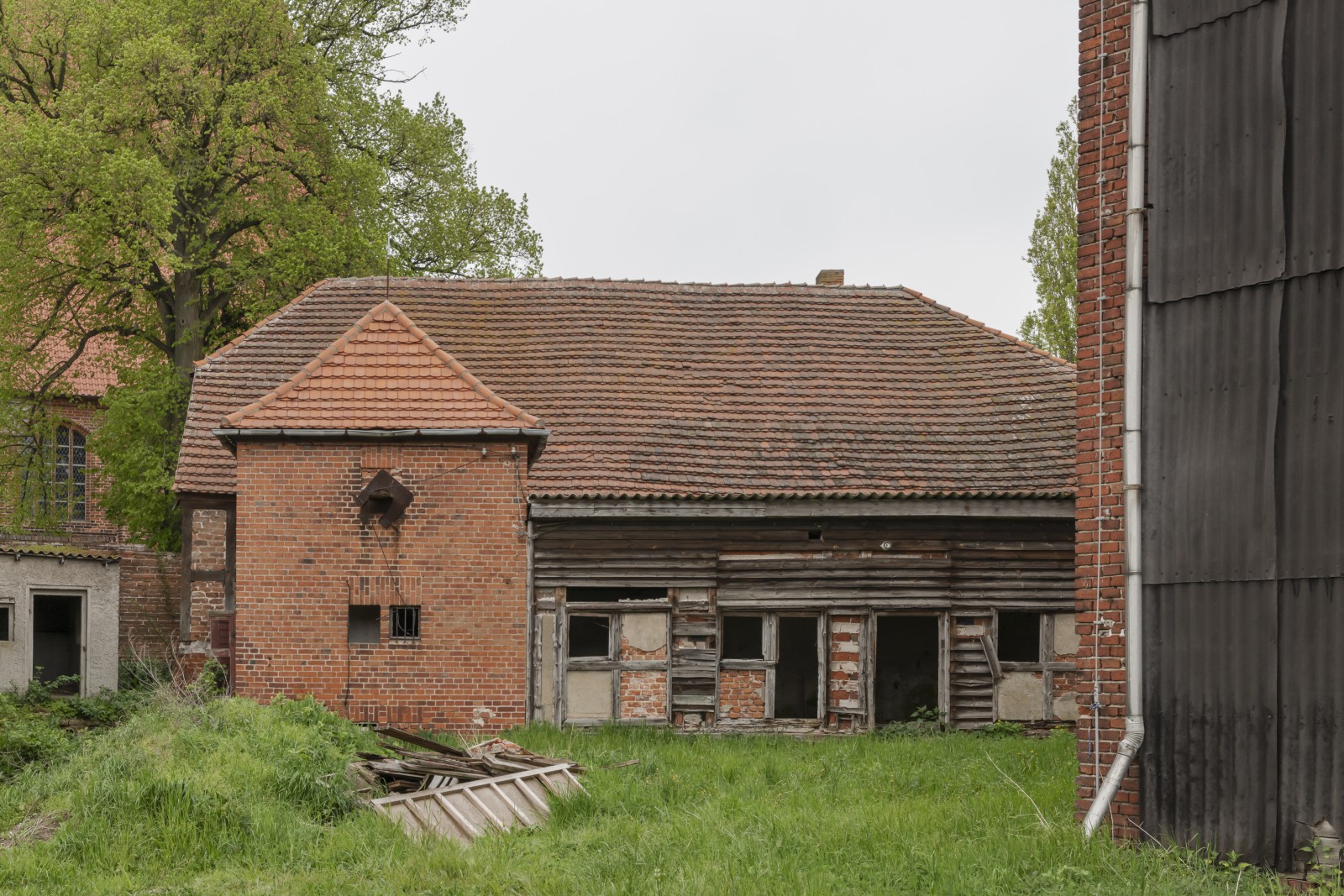
At the centre of the Komturei Werben stands the Verwalterhaus, the most representative and best-preserved building of the courtyard ensemble. The complex borders the old town and the great church of Germany's smallest Hanseatic town. Around 1160, the Order of St John settled here, and for over 200 years the Komturei was its most important branch in northeastern Germany.
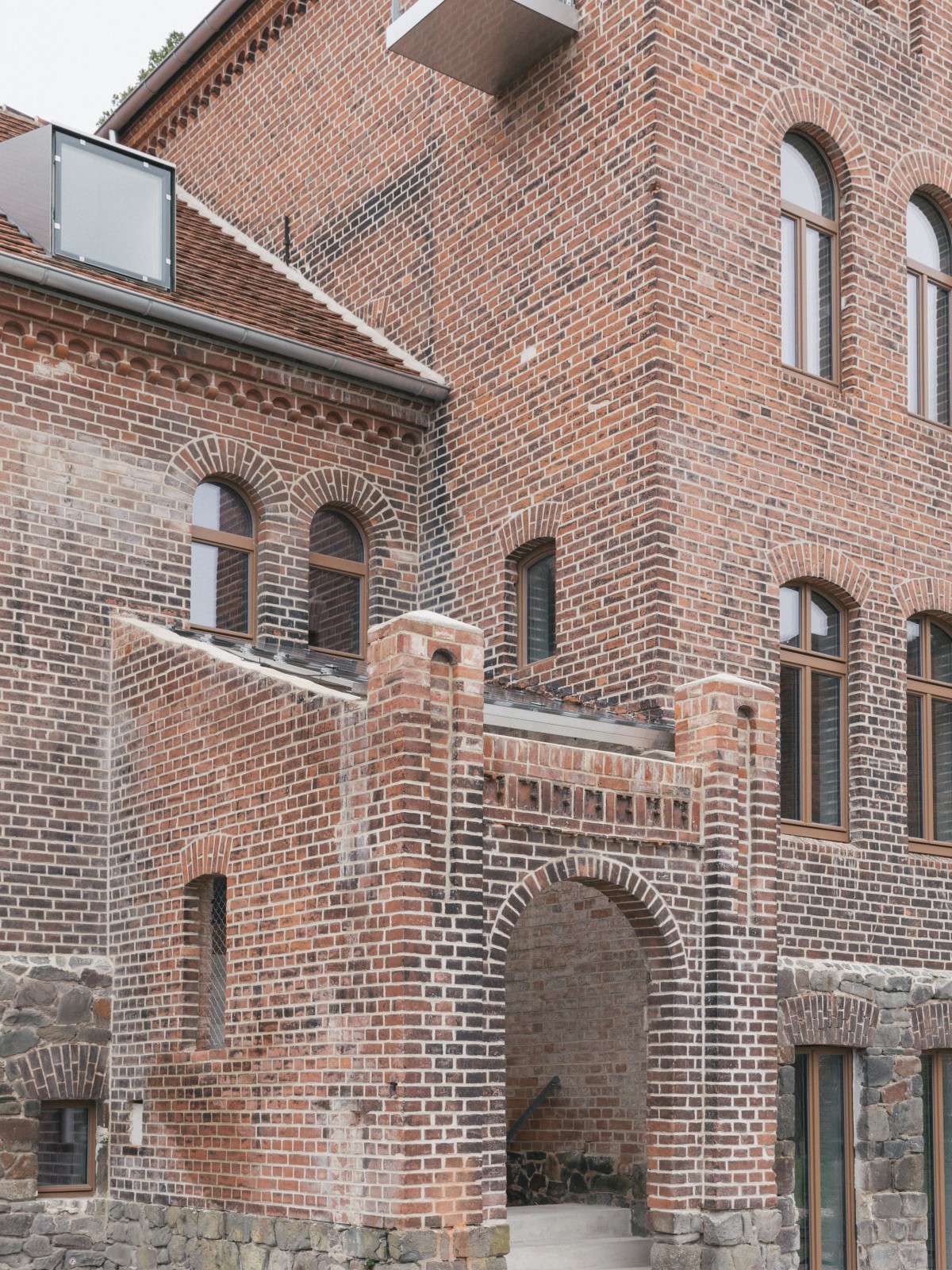
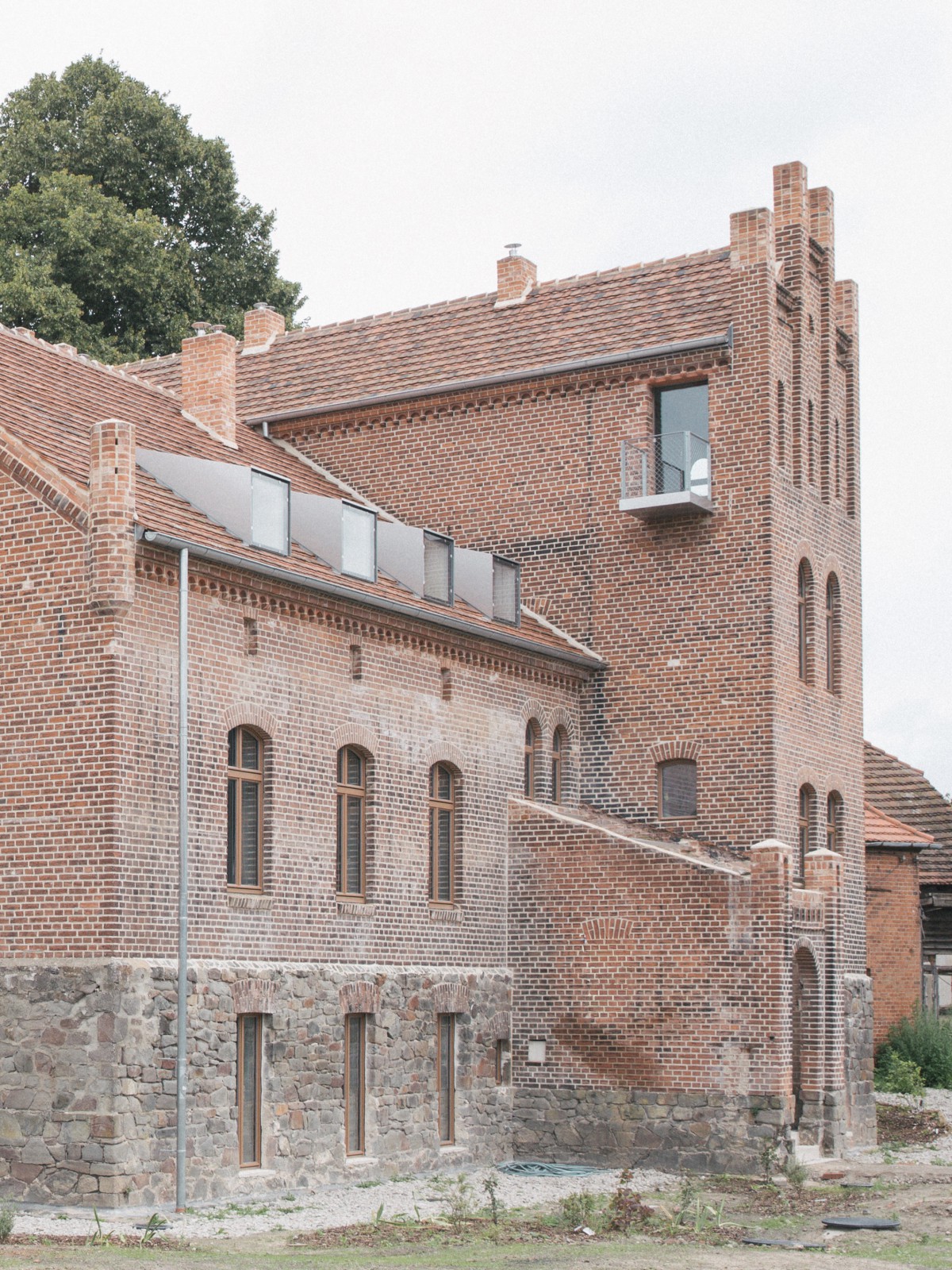
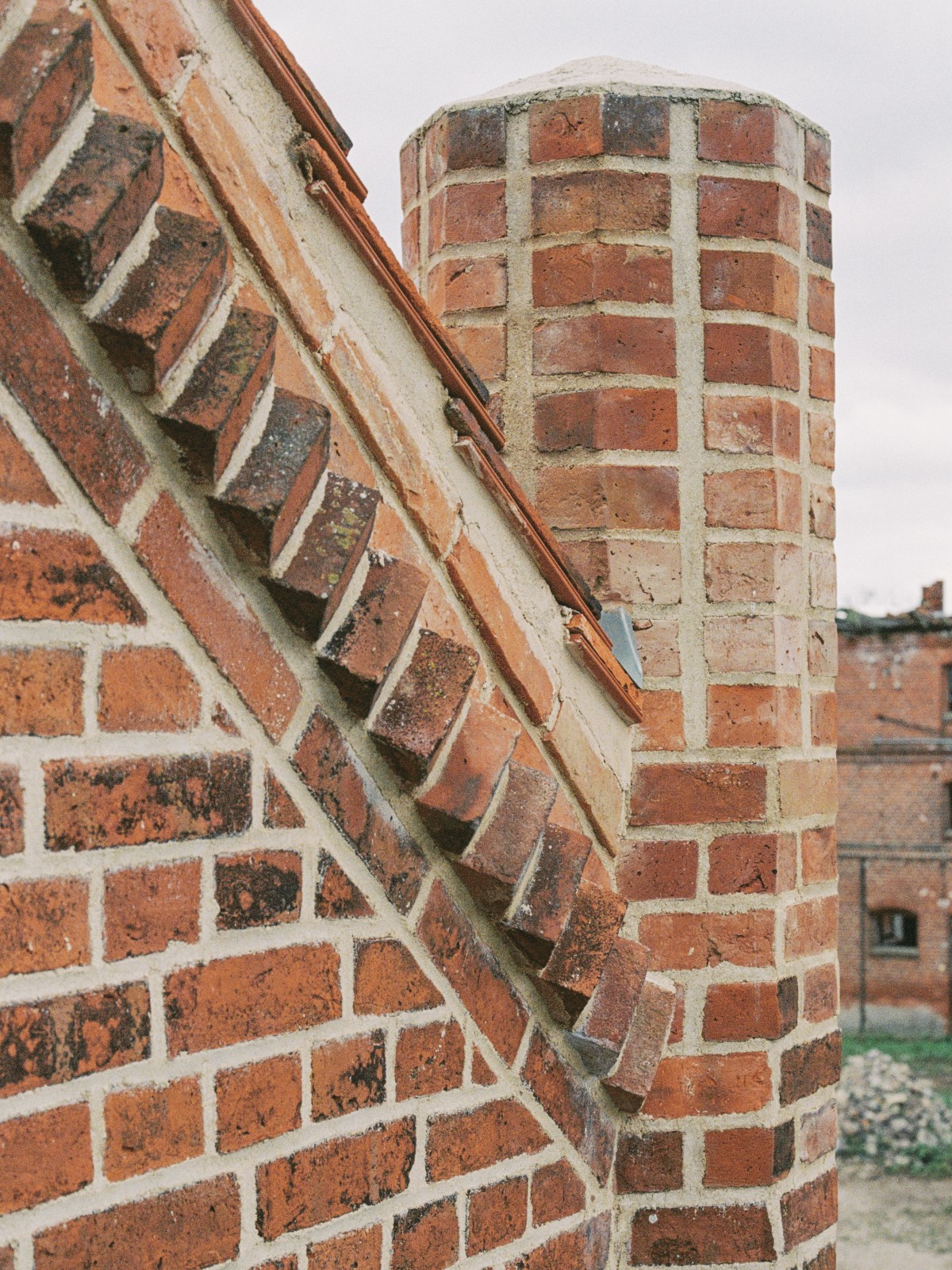
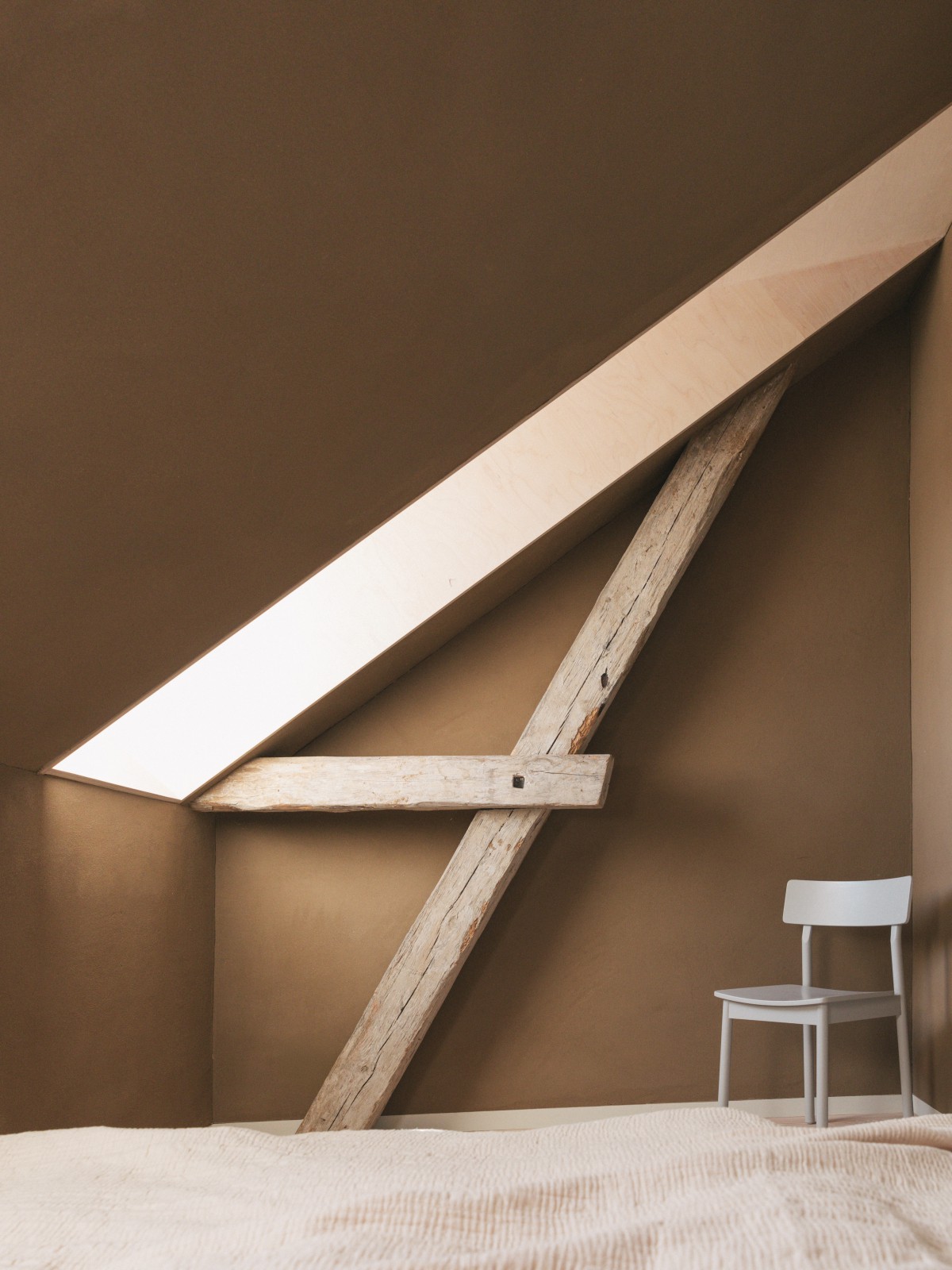
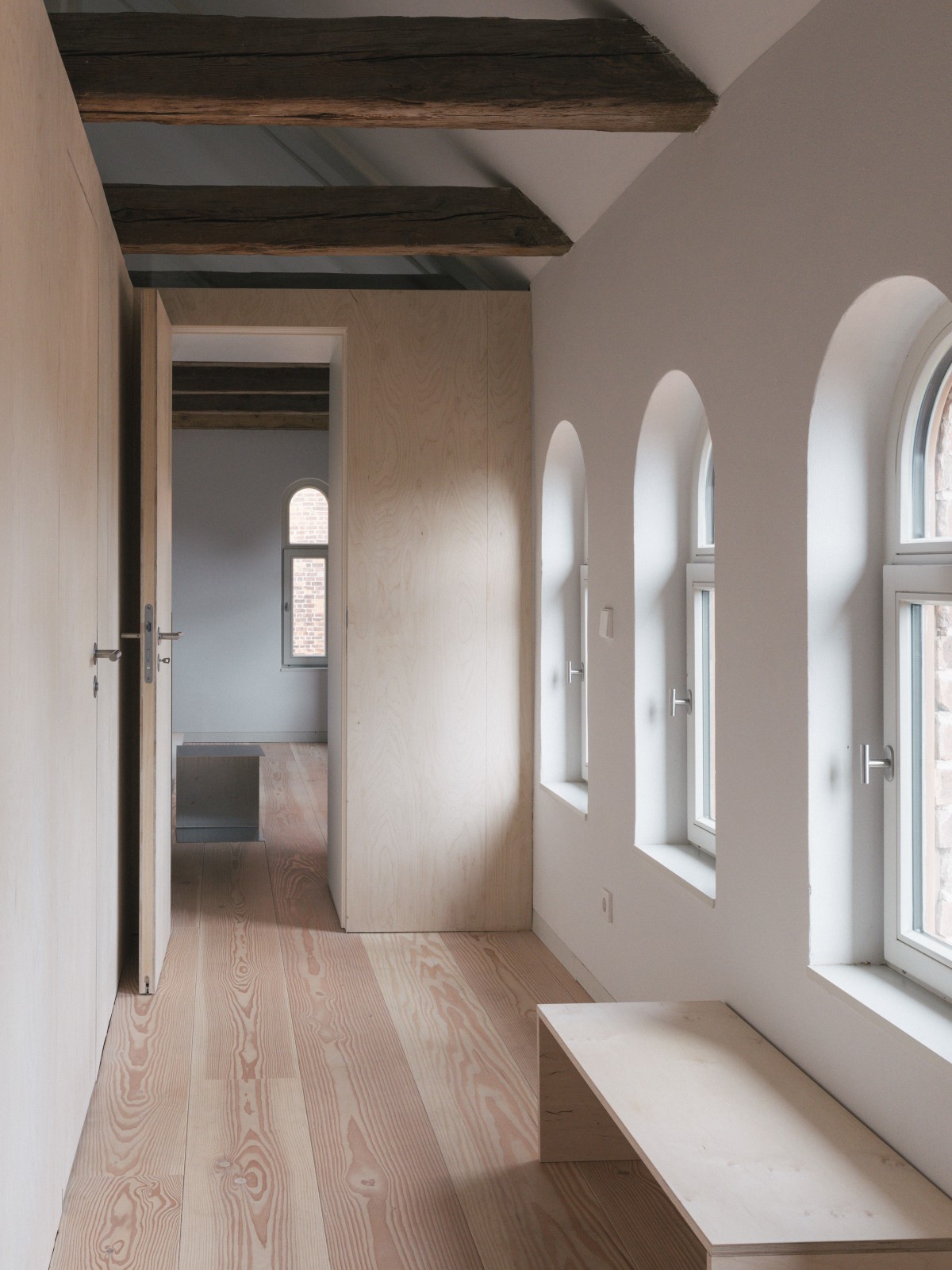
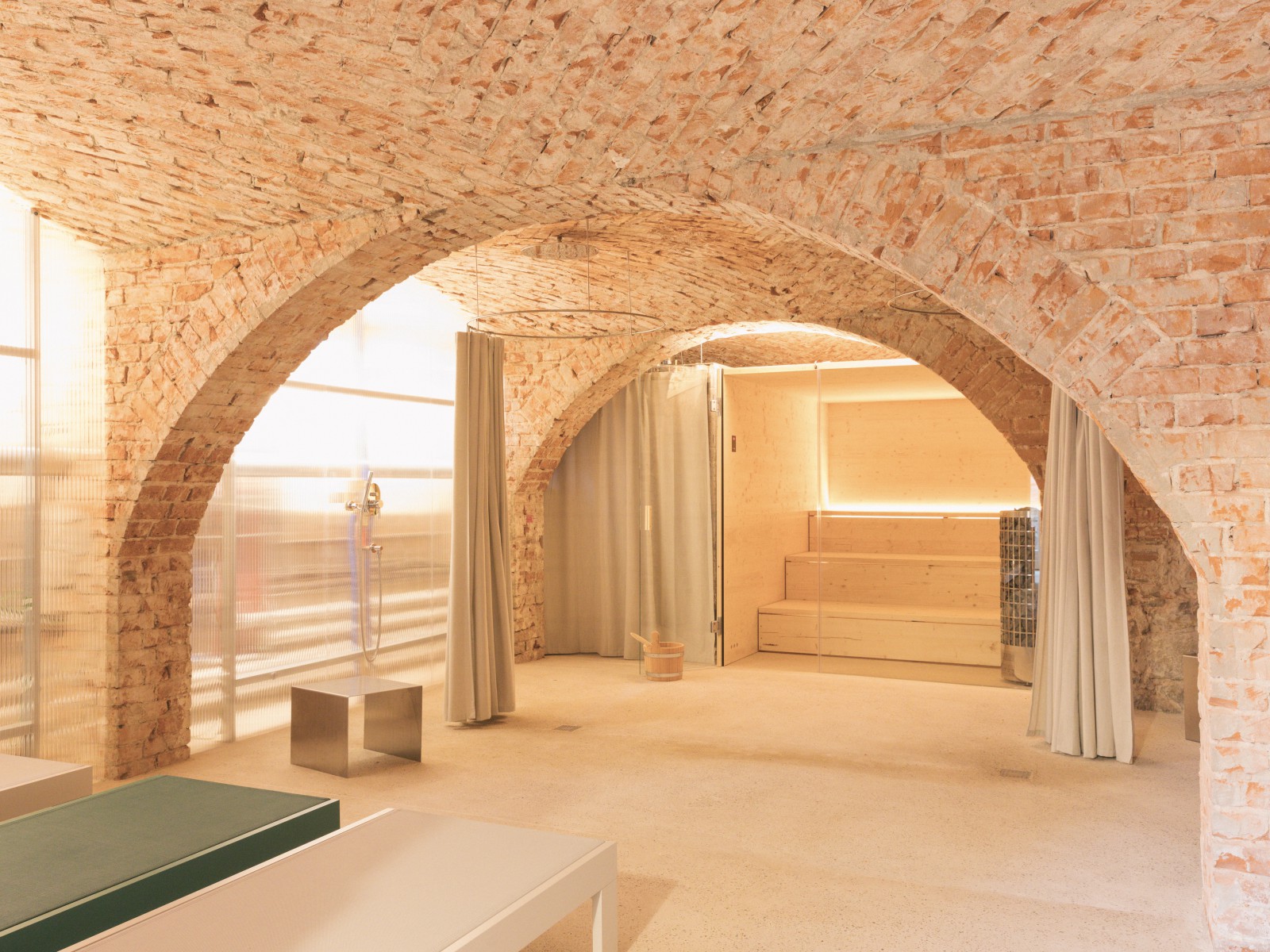
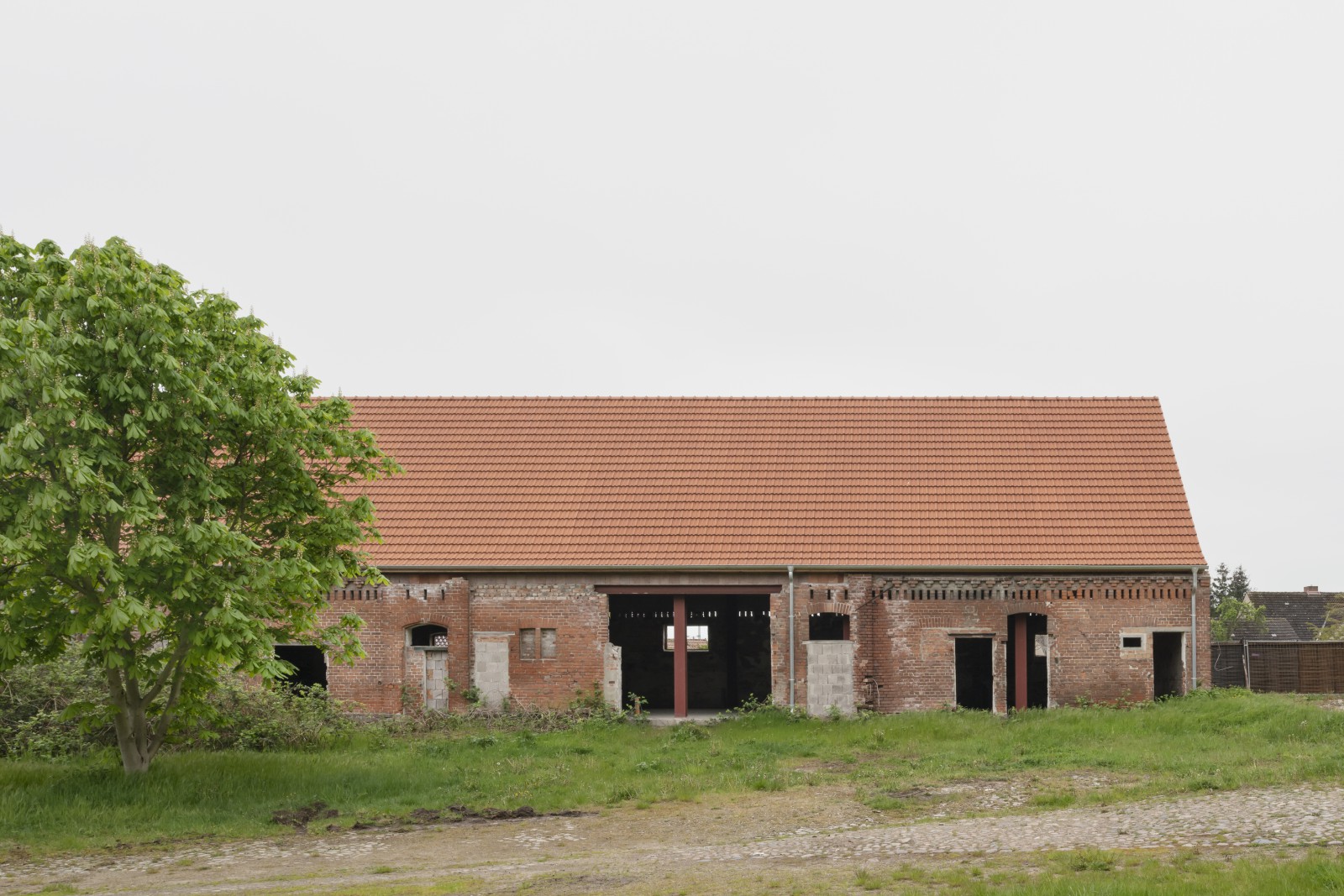
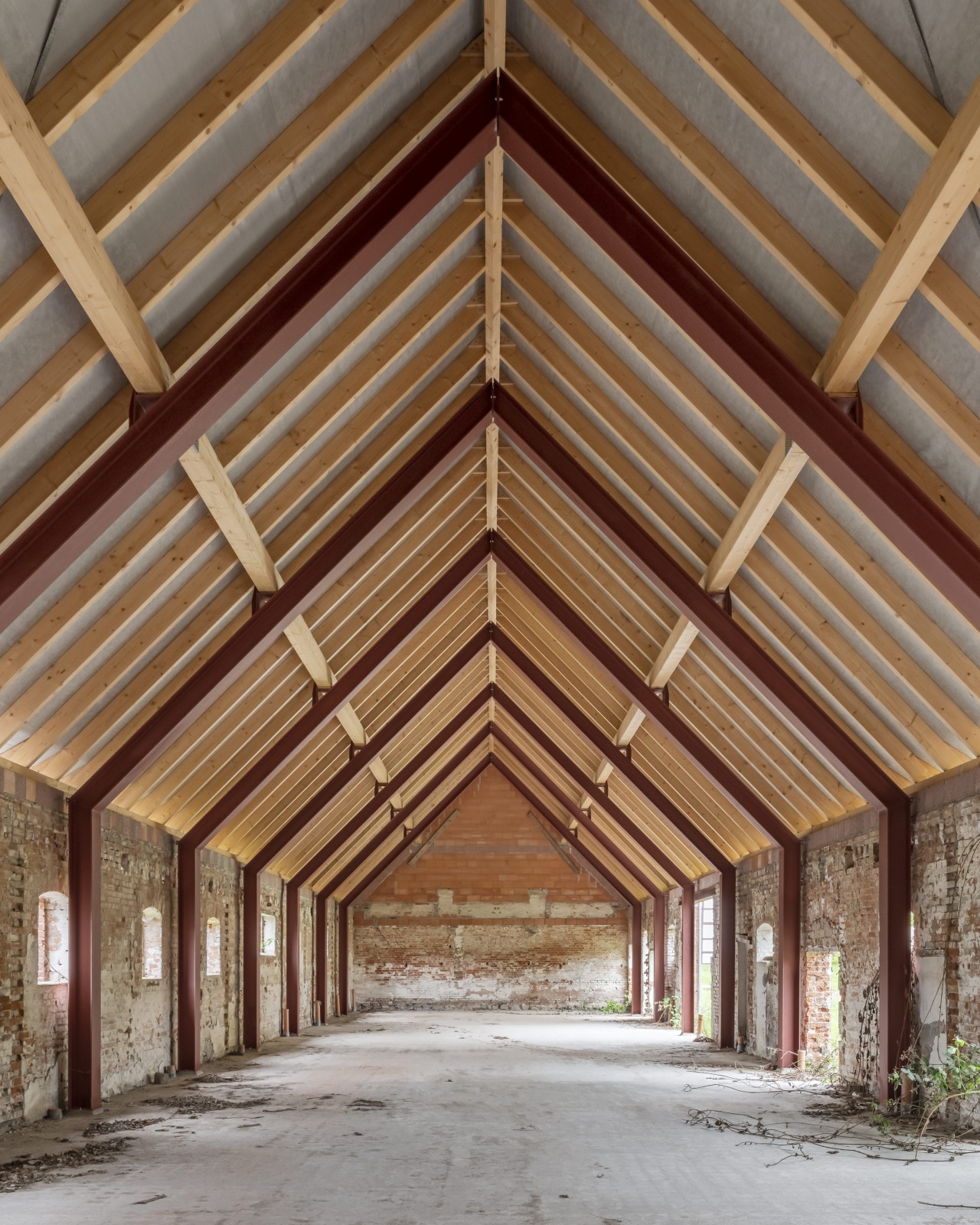
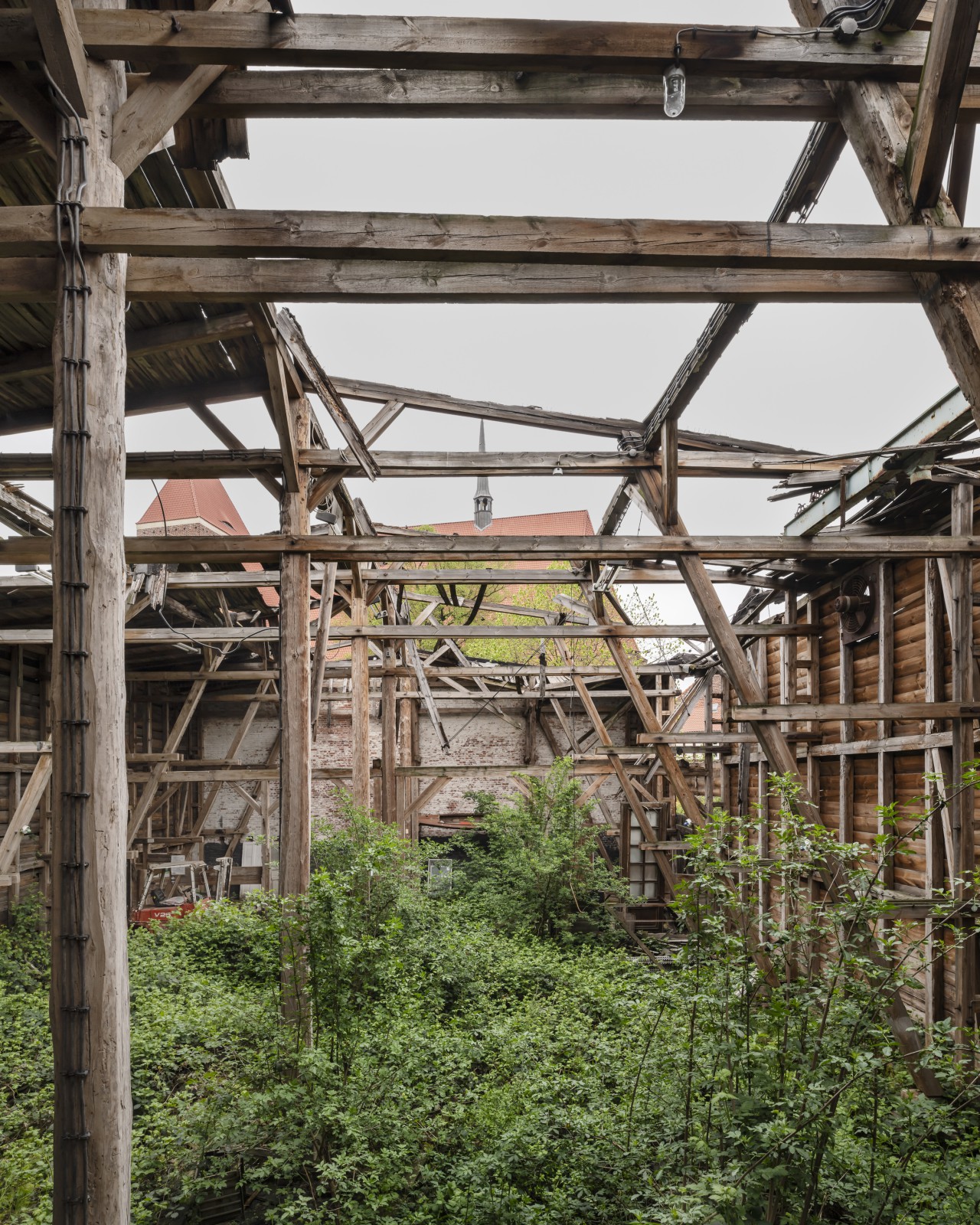
As the first phase of a long-term ecological transformation, the Verwalterhaus was carefully restored. With its completion, the courtyard reopened and, after decades of vacancy and decay, became an active centre again. The goal was to preserve the historic fabric and embodied energy, strengthen the ensemble and introduce contemporary uses without altering its evolved appearance. The renovation reveals architectural layers spanning nearly 1,000 years. The load-bearing structure was restored and reinforced based on archival research. The smaller, older basement was converted into a public sauna and relaxation area. The 19th-century layout above was preserved.
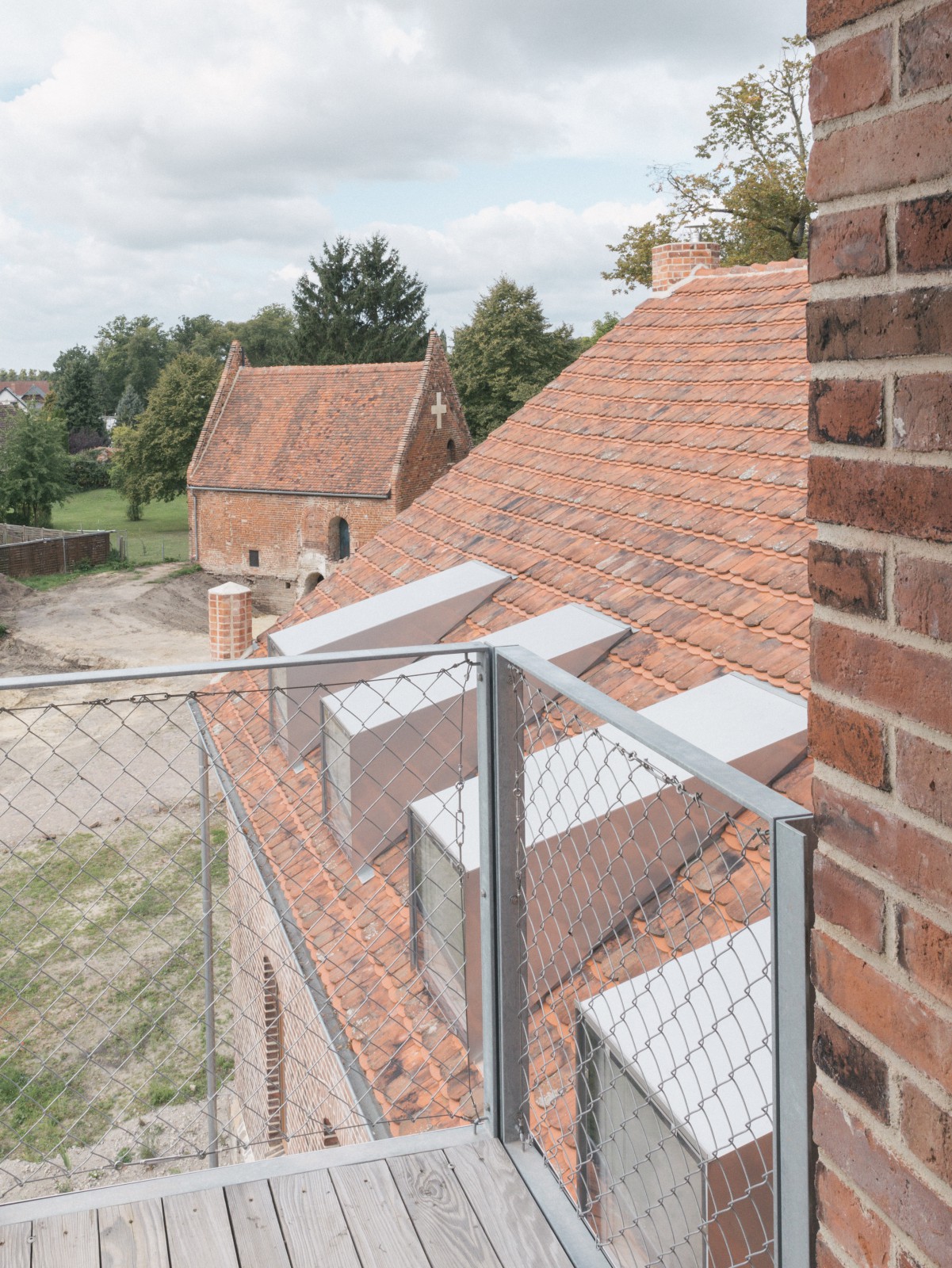
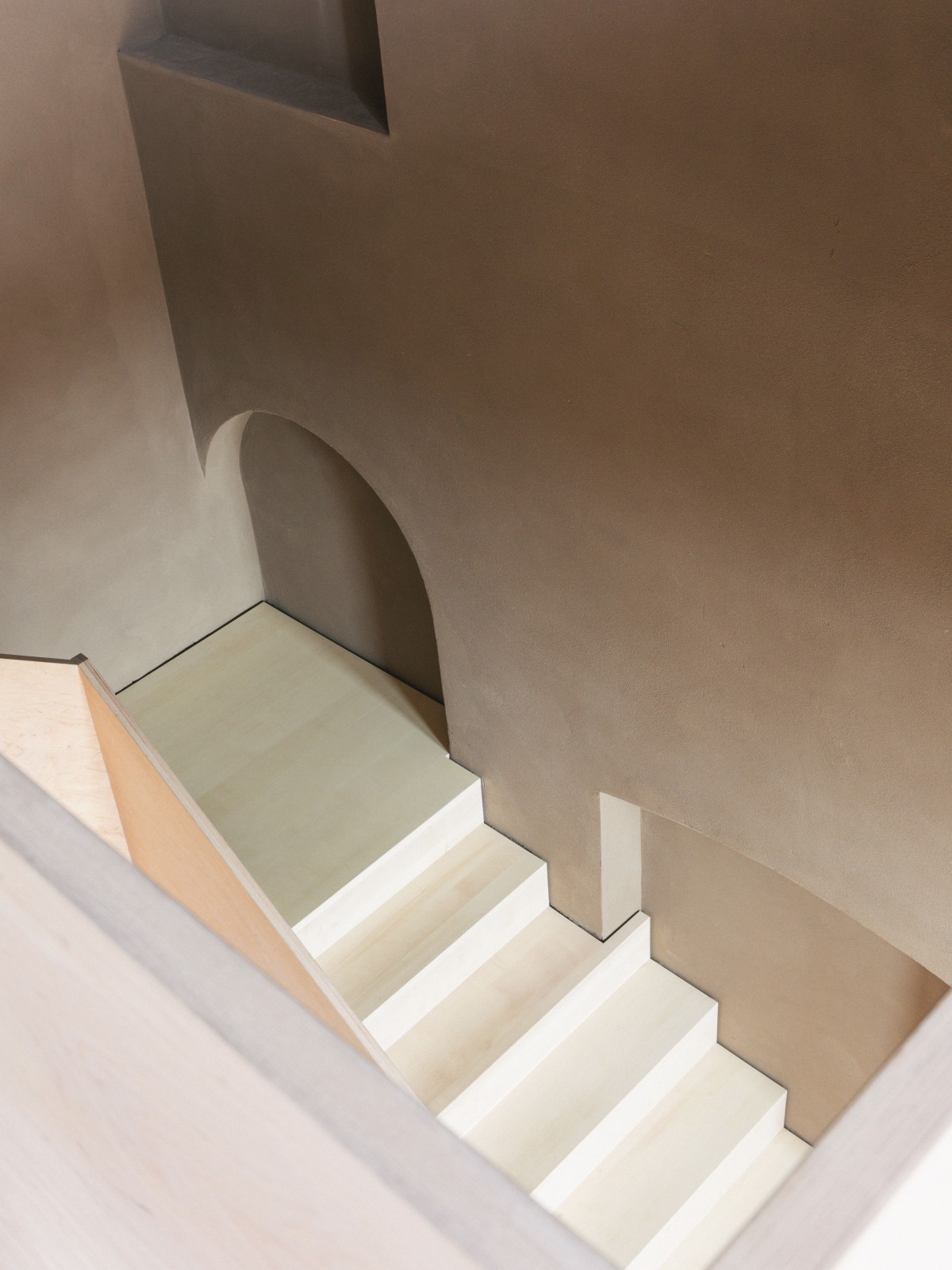
Garden-level walls were insulated with hemp-lime and finished in lime plaster. Floors are cement-free, diffusion-open lime screed on foam glass with integrated thermal activation. Upper floors were insulated with wood fibre and clay plaster; ceilings were renewed with reed mats and ceiling heating. Bathrooms and an escape staircase were added as reversible timber insertions. Historic windows were upgraded with internal box frames. Roof truss, timber framing and beams were preserved; clay infill, roof tiles and bricks were reused. Dormers, balconies and a photovoltaic canopy appear as abstract contemporary layers. Six apartments were created. 70 tons of clay enhance thermal mass and indoor climate. A heat pump and photovoltaics supply energy; rainwater and greywater systems serve toilets and garden. Rebuilt pinnacles integrate nesting spaces for birds and bats. Two field maples will replace temporary balcony supports as living structural elements. Trellises on the façade allow climbing plants, such as vines, to grow.
Verwalterhaus
Project team: David Gössler, Olivia Sommer
Start of planning: 07/2024
Construction period: 12/2024 - 02/2025
Scope of services: HOAI Phases 1 - 9
Gross floor area: 63 m2
Client: private
Photos: Constantin Riess
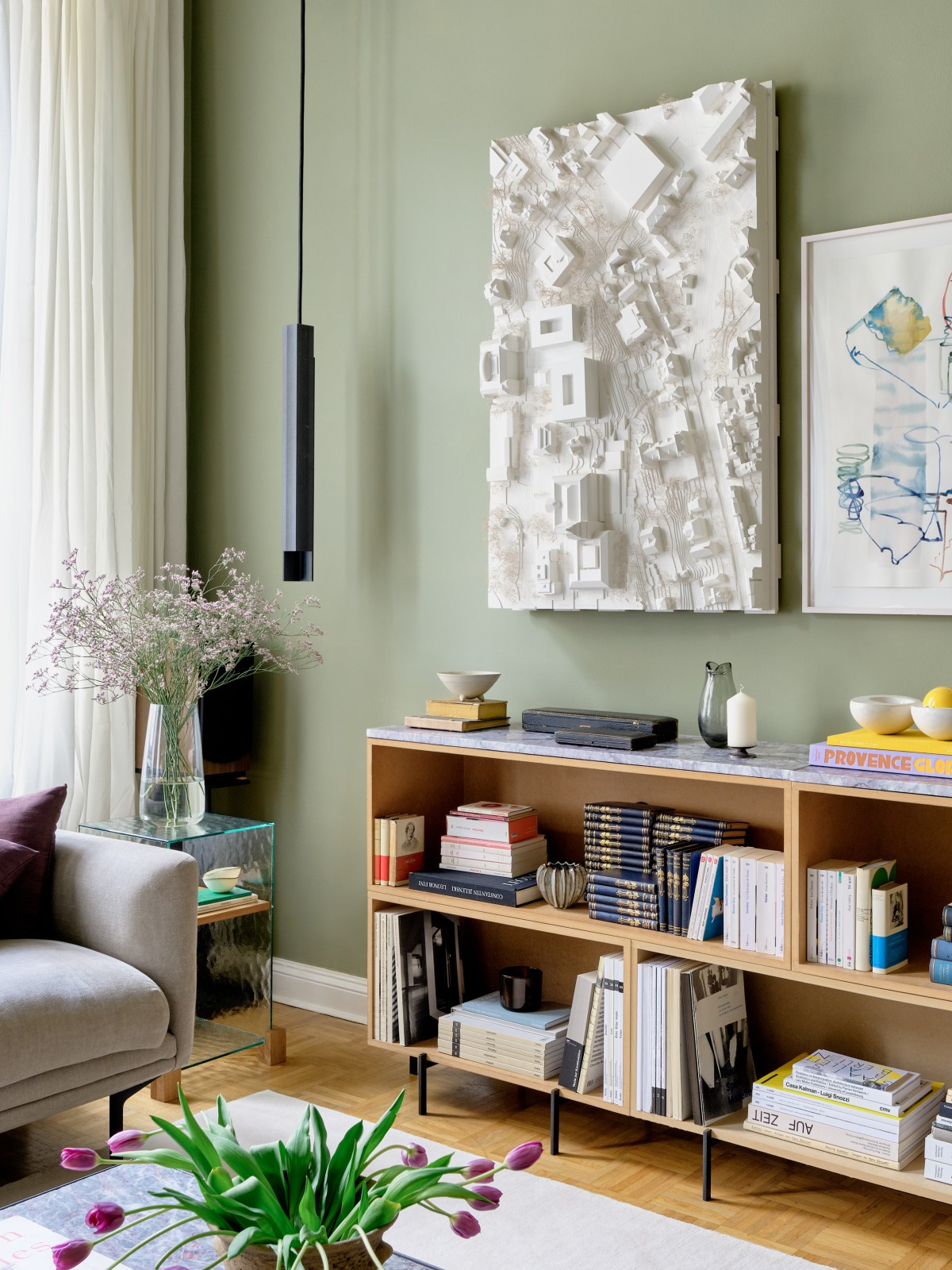
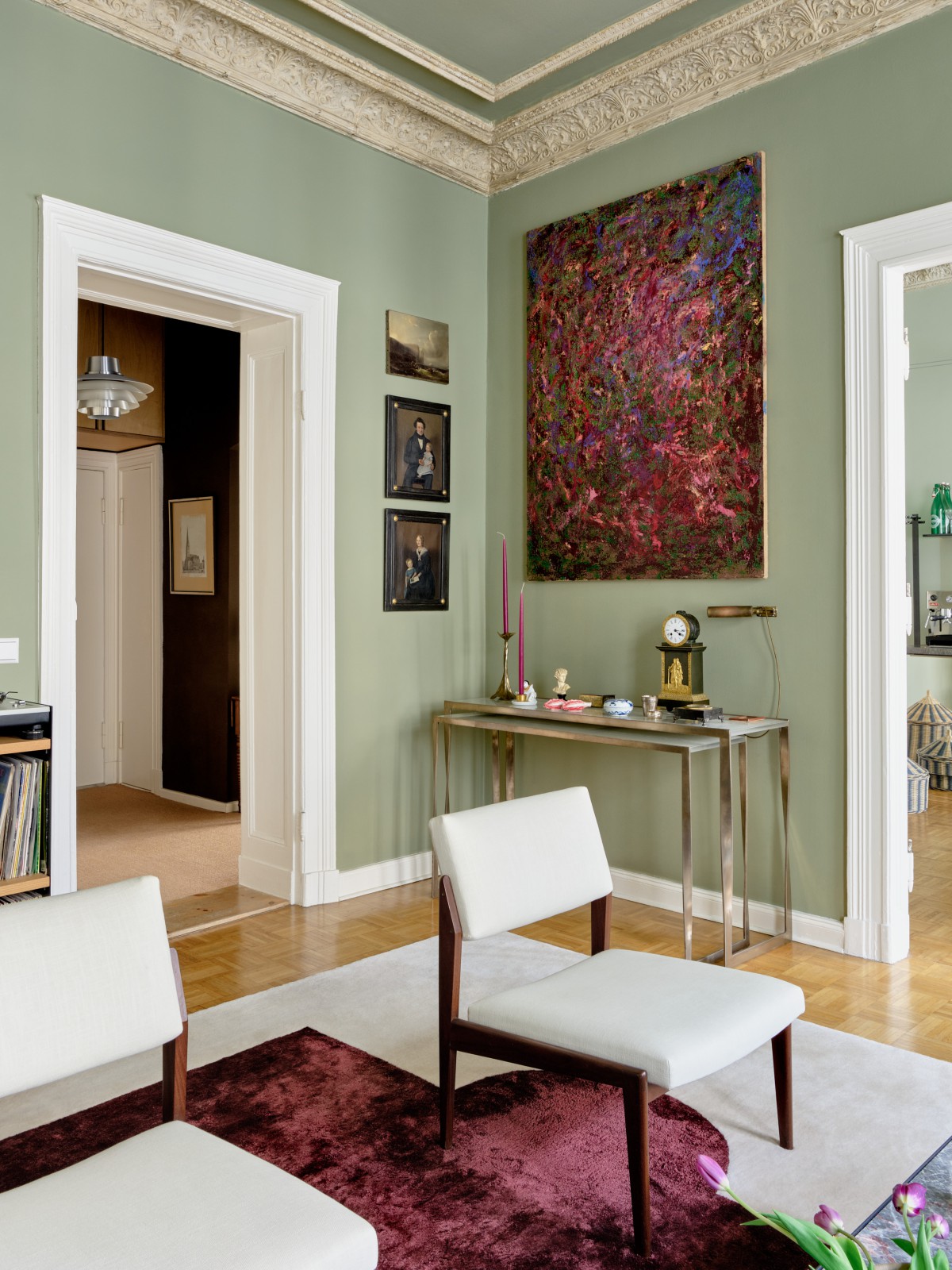
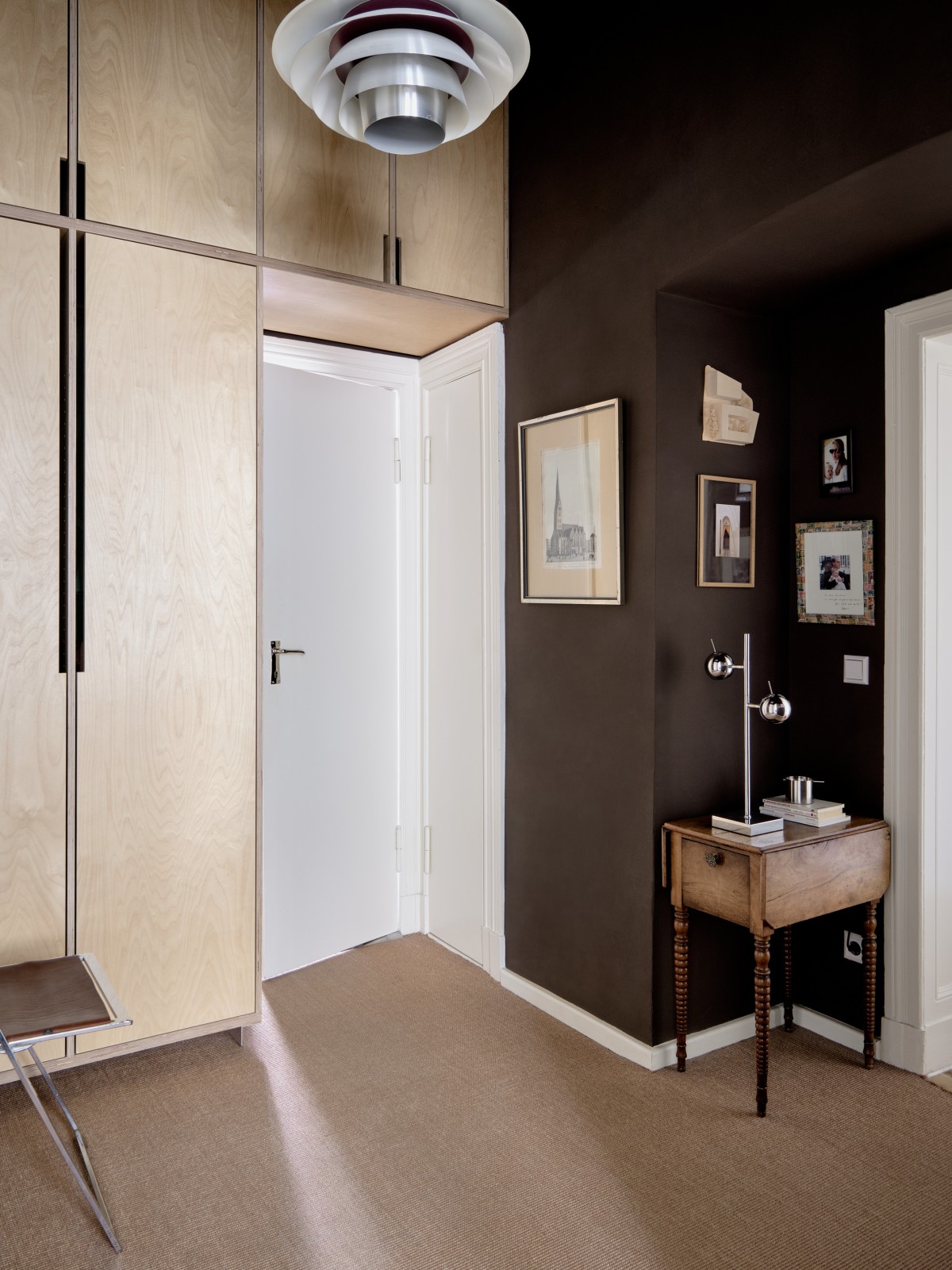
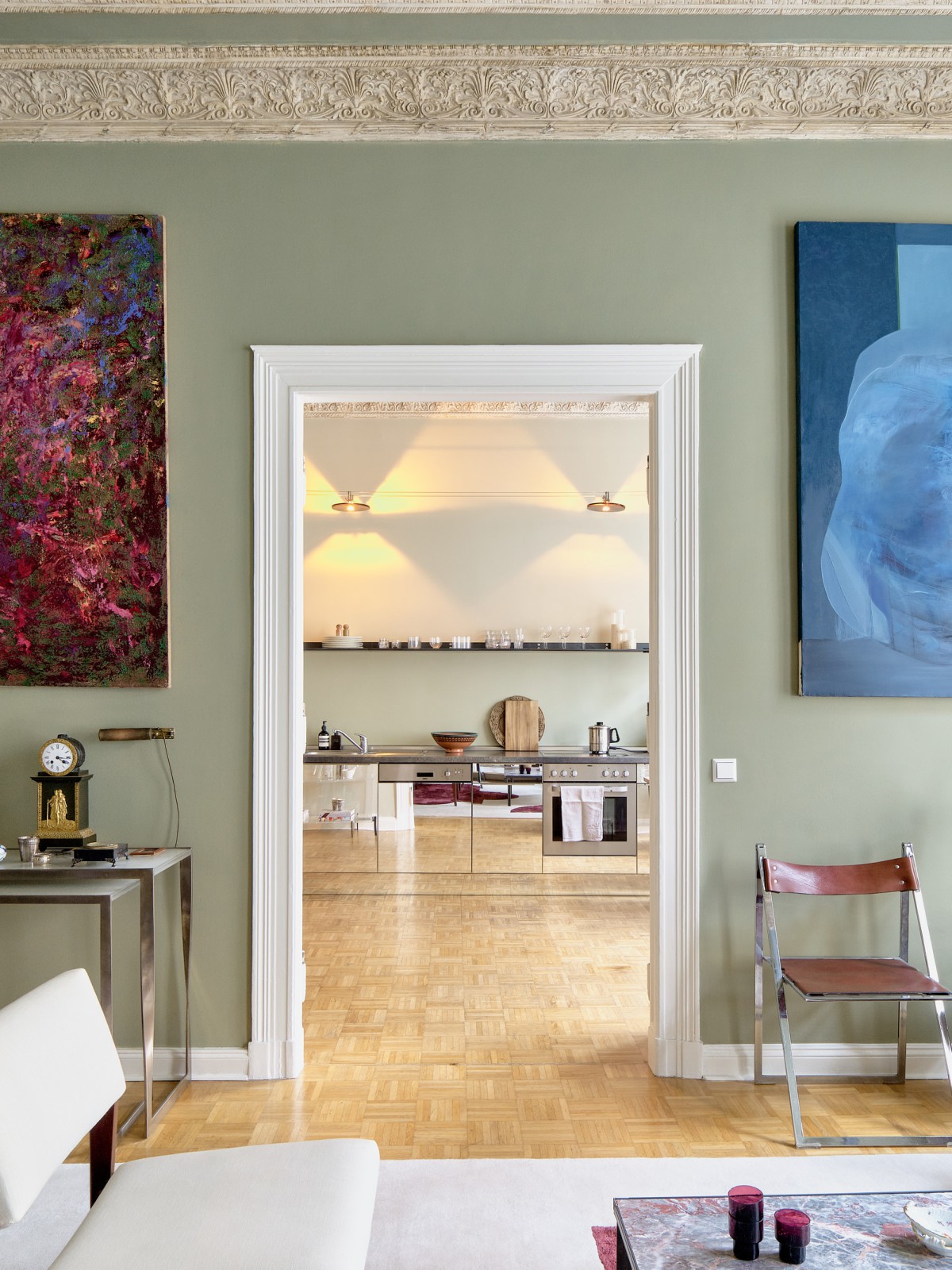
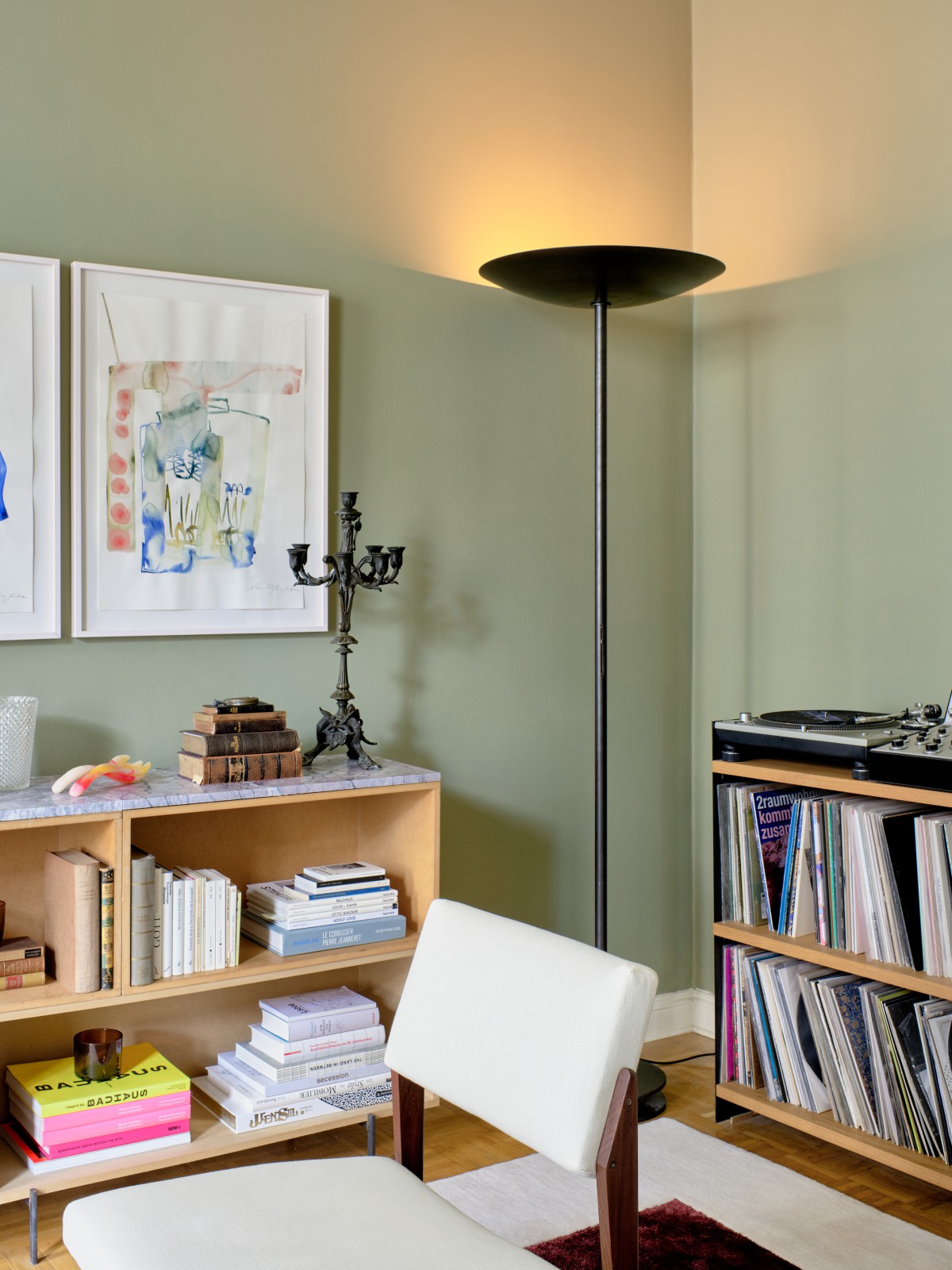
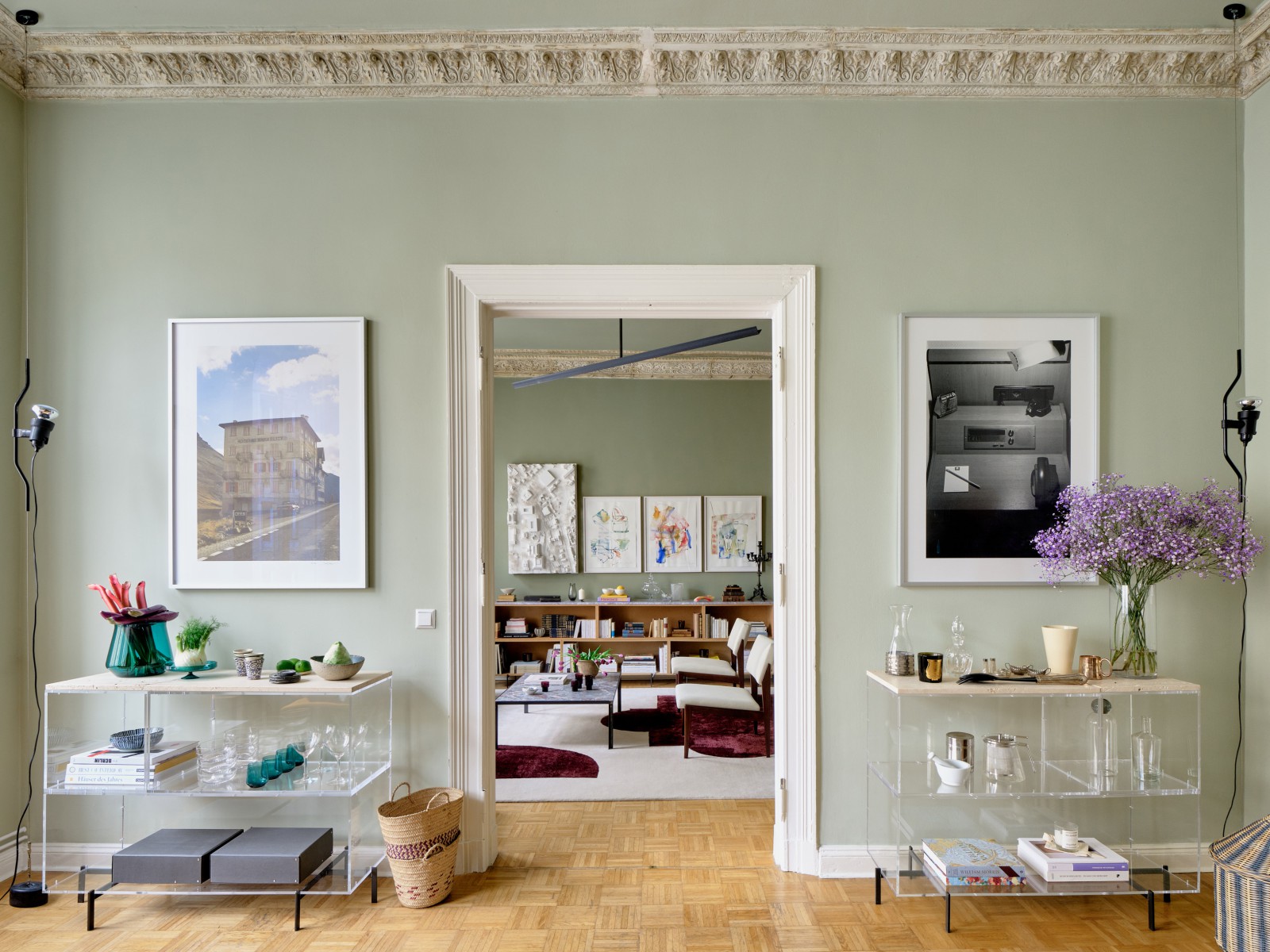
What does it mean to truly inhabit a rented apartment – without owning it, without being permitted to alter it permanently? The Chaussee project treats this constraint not as a limitation, but as a point of departure: it investigates how far atmosphere and spatial quality are actually bound to structural intervention – and finds: far less than commonly assumed.
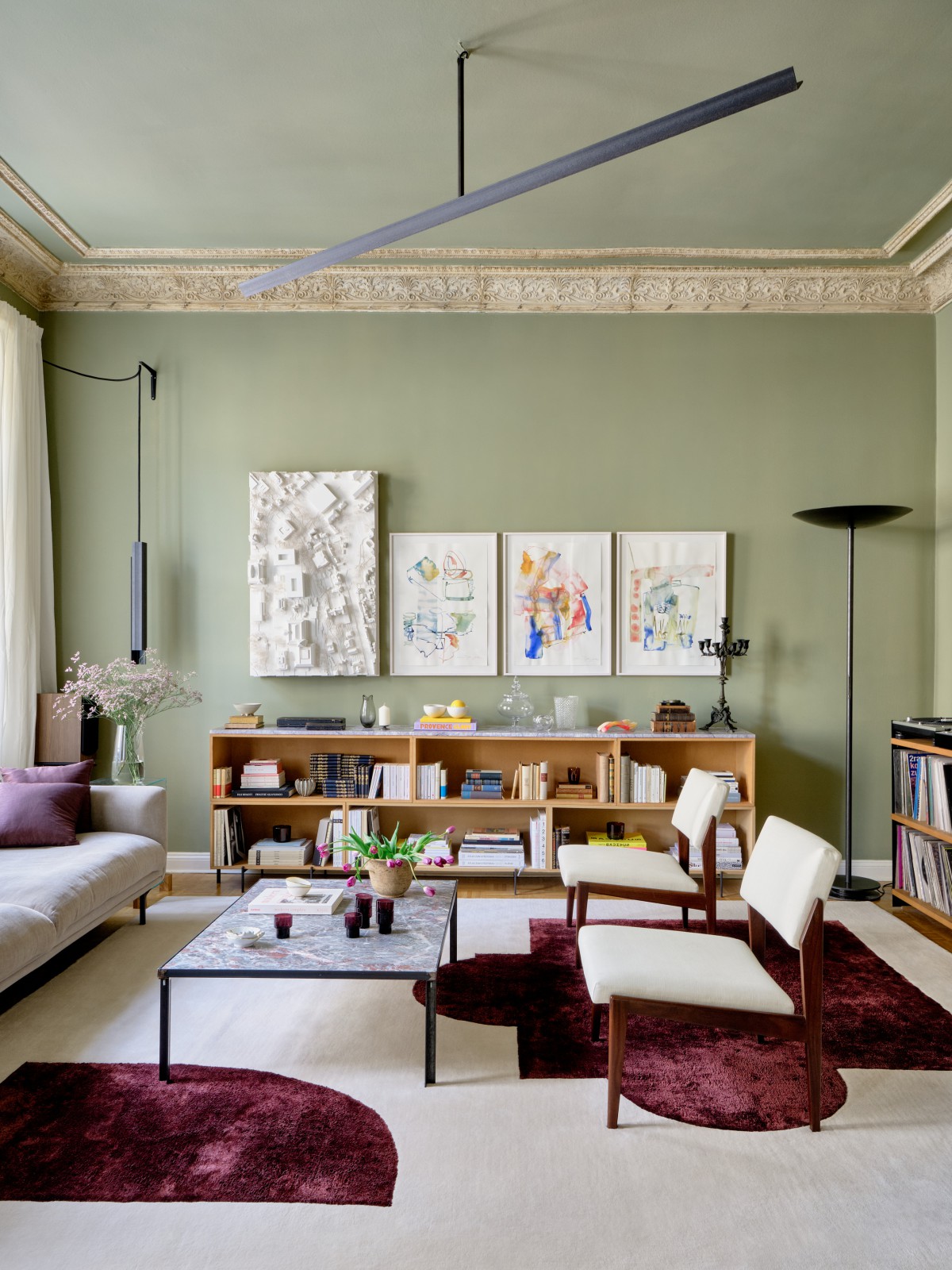
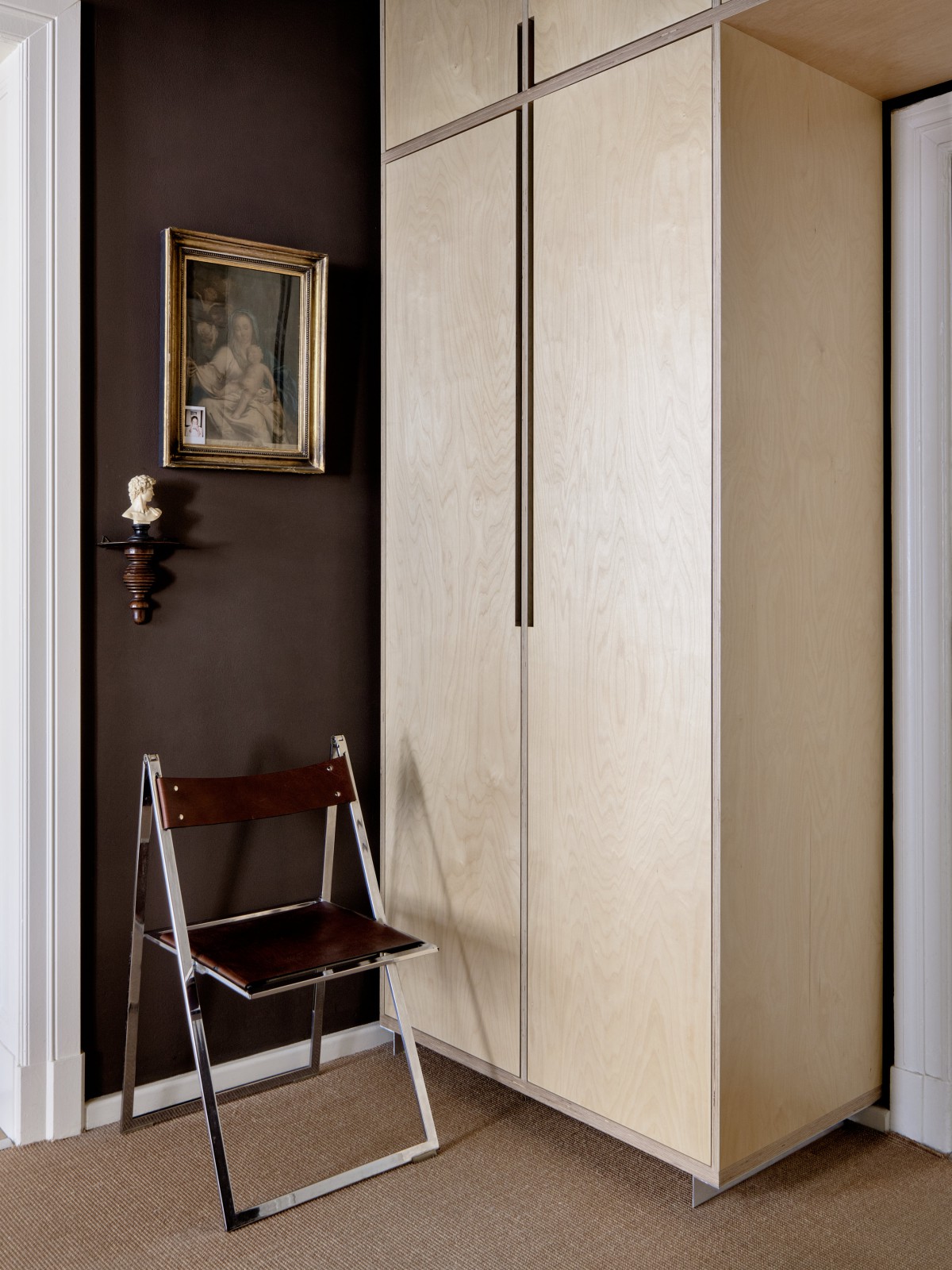
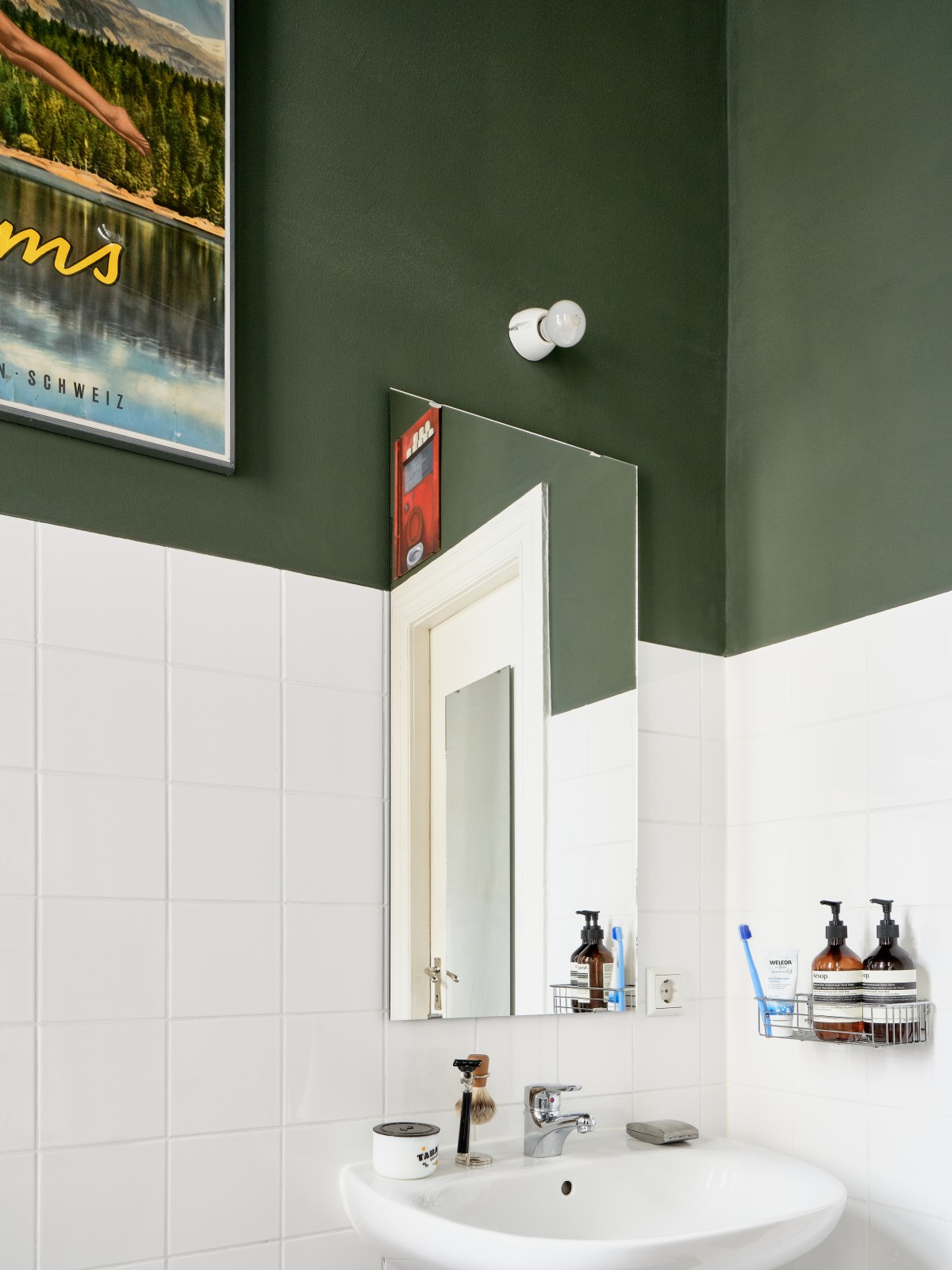
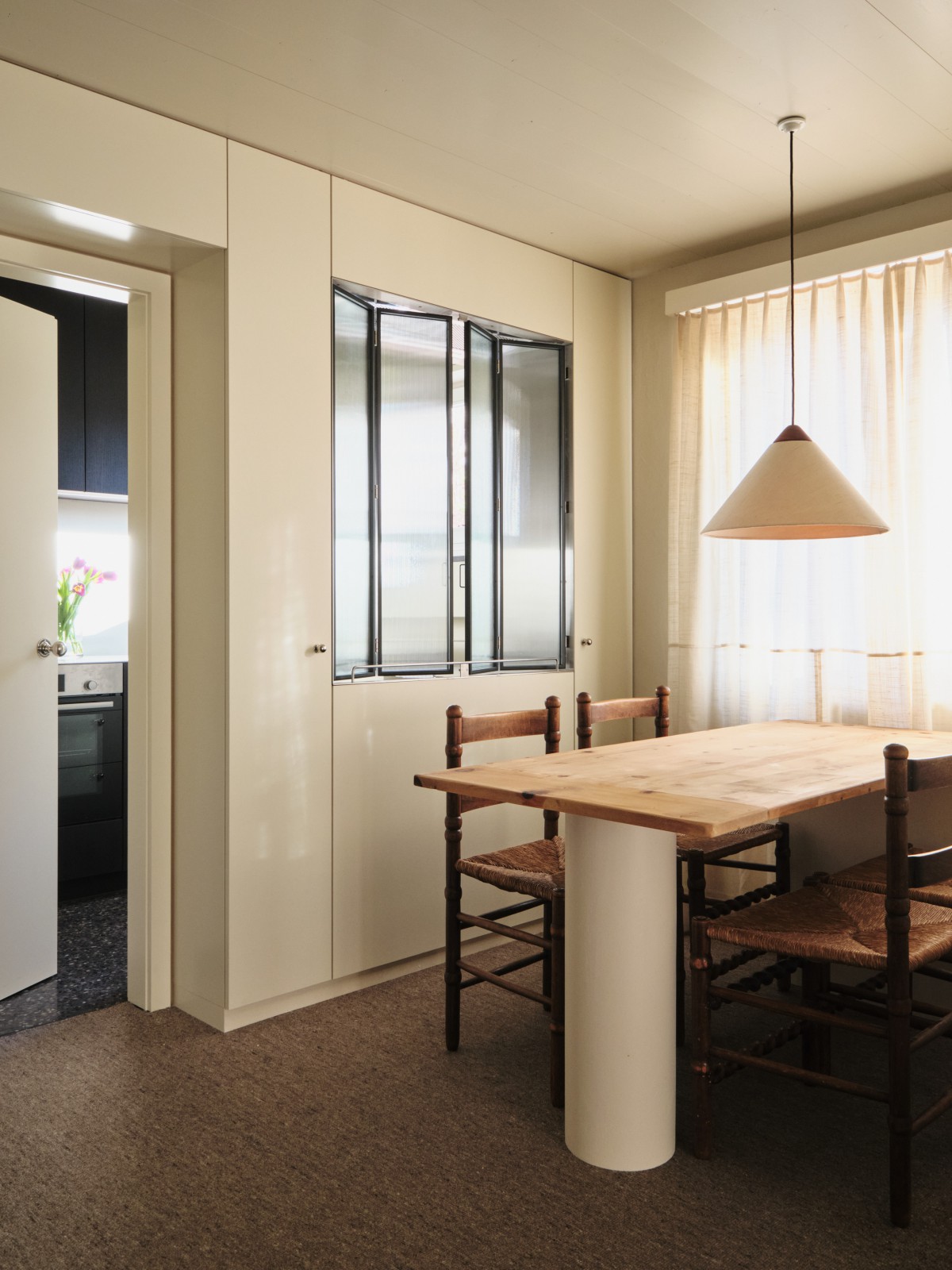
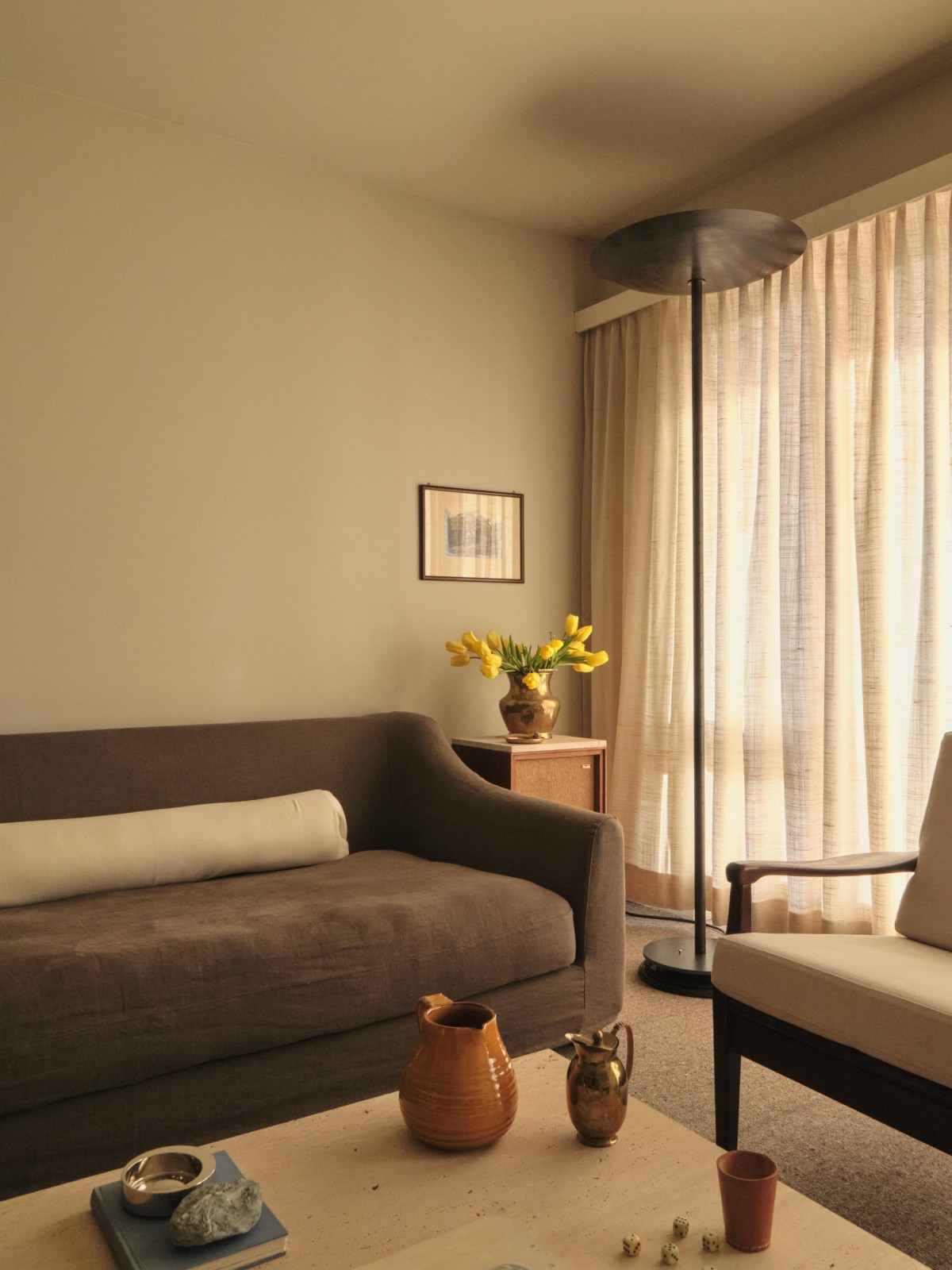
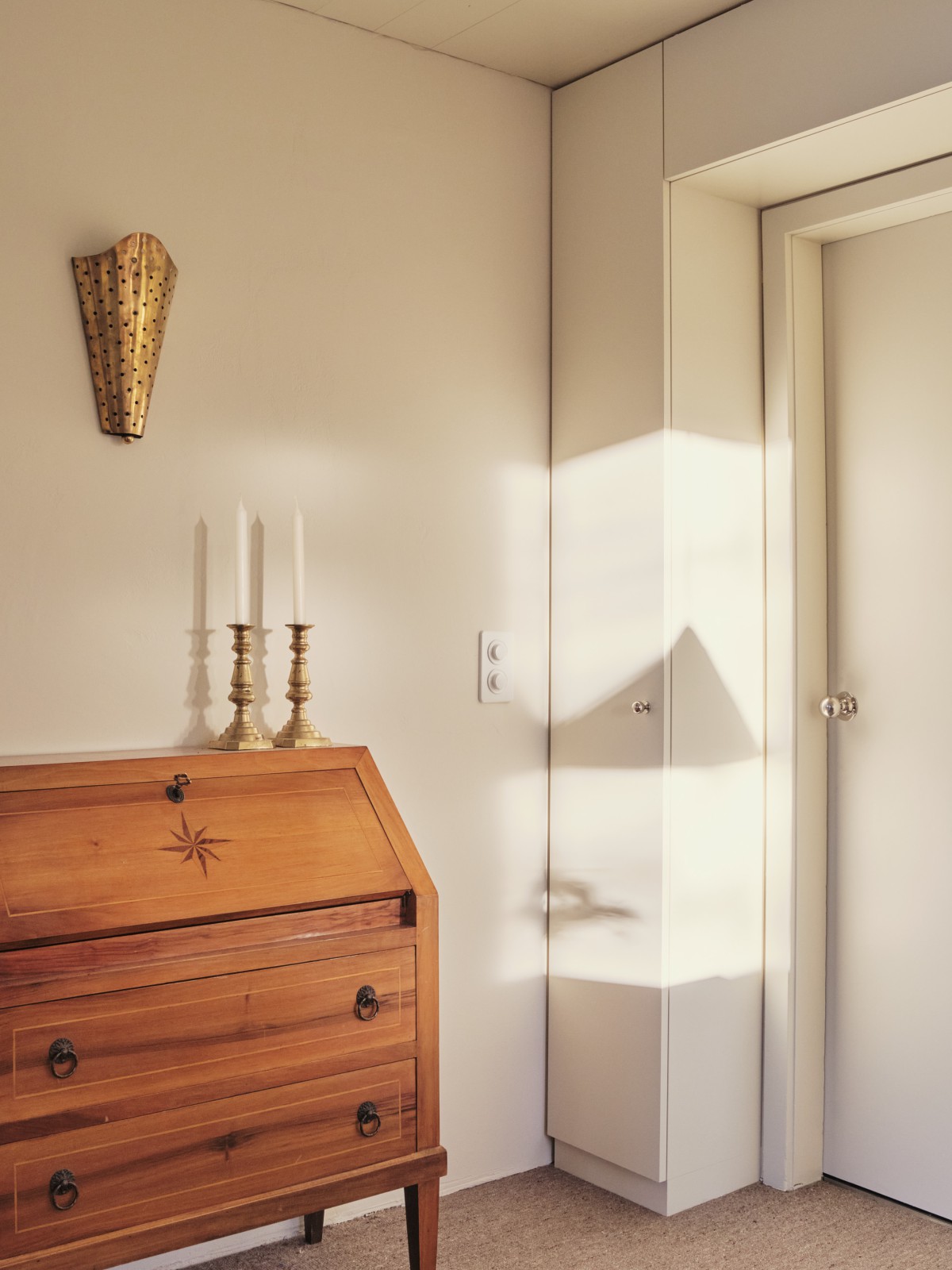
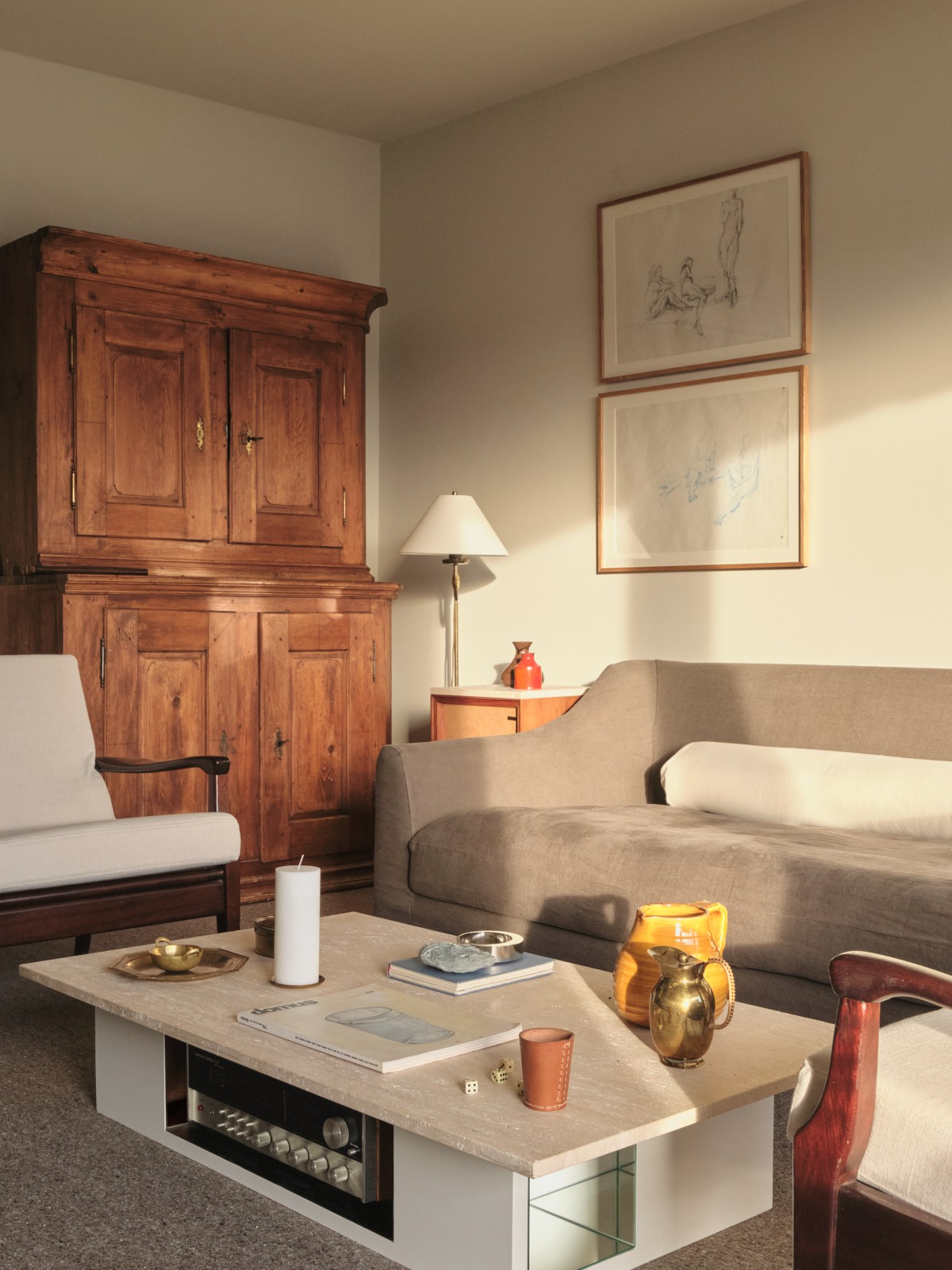
The apartment occupies the first upper floor of an early Gründerzeit building dating to around 1870. Its plan follows the classic chamber system – efficient, nearly corridorless, with a circuit that makes the 63 square metres feel considerably more generous than they are. Historic stucco elements define the street-facing rooms; this existing fabric was not neutralised, but understood as an atmospheric resource. The colour and material concept works with warm, saturated tones and a deliberate composition of objects spanning more than two centuries. In this, the project follows the tradition of the Ensembliers décorateurs: those French decorating artists of the early twentieth century who understood an interior not as a neutral backdrop, but as a composed Gesamtkunstwerk – one in which furniture, textiles, art and light form an inseparable whole. Vintage pieces, inherited objects and purpose-designed furniture enter into quiet dialogue – not as a collection, but as a distillation. In the kitchen, the existing cabinet fronts were clad in mirrors, transforming a modest rental kitchen into an autonomous object that reflects the materiality of its surroundings – in the literal as much as the figurative sense.
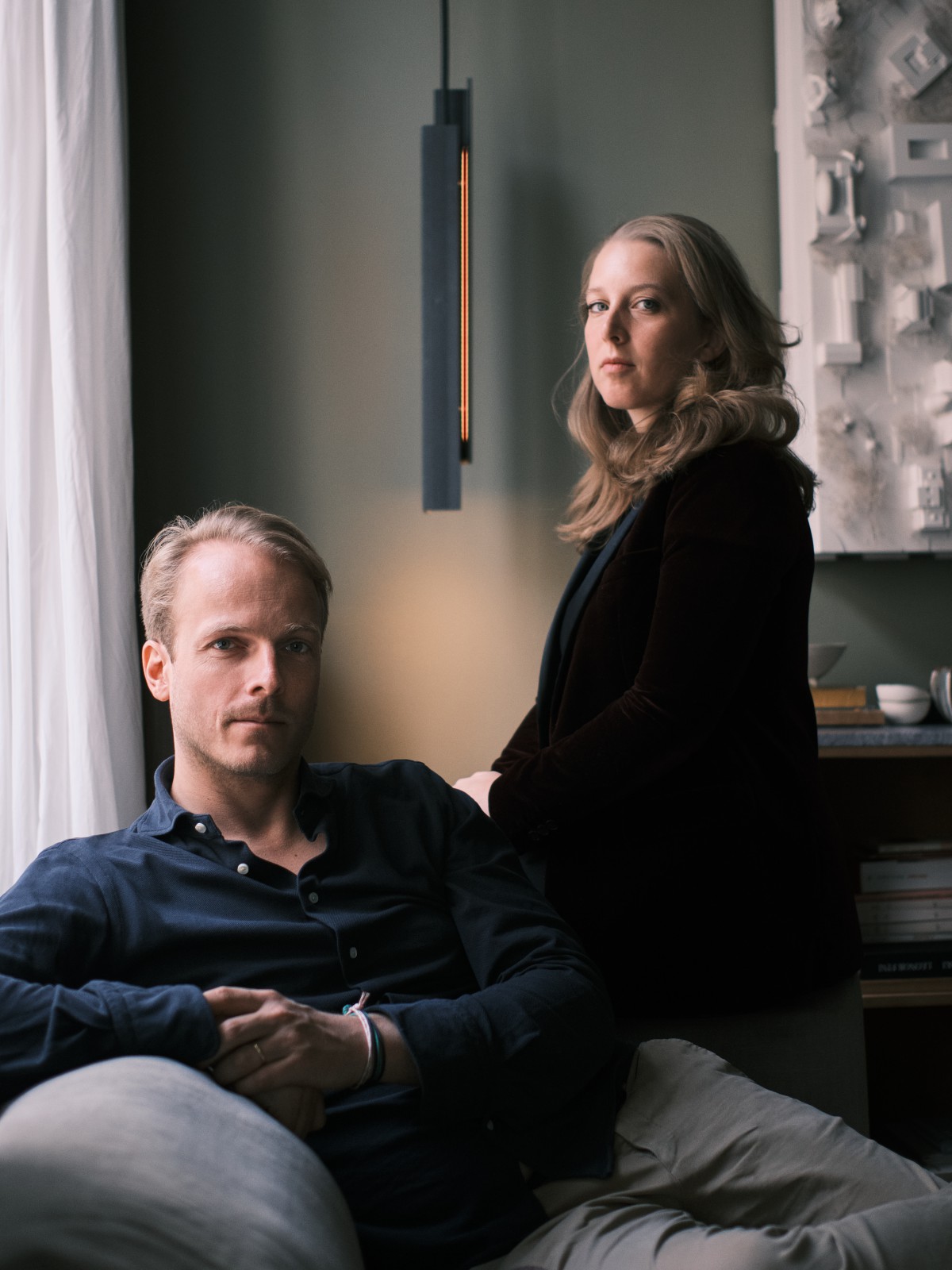
The project is a self-experiment. Its inhabitants are also its authors. What emerged is not a neutral design, but an interior with biography.
Chausseestrasse
Project team: David Gössler, Olivia Sommer, Seida Feldheim
Start of planning: 05/2022
Construction period: 05/2023 - 11/2023
Scope of services: HOAI Phases 1 - 9
Gross floor area: 79 m2
Client: private
Photos: Constantin Riess
For a detailed brochure, please contact us.
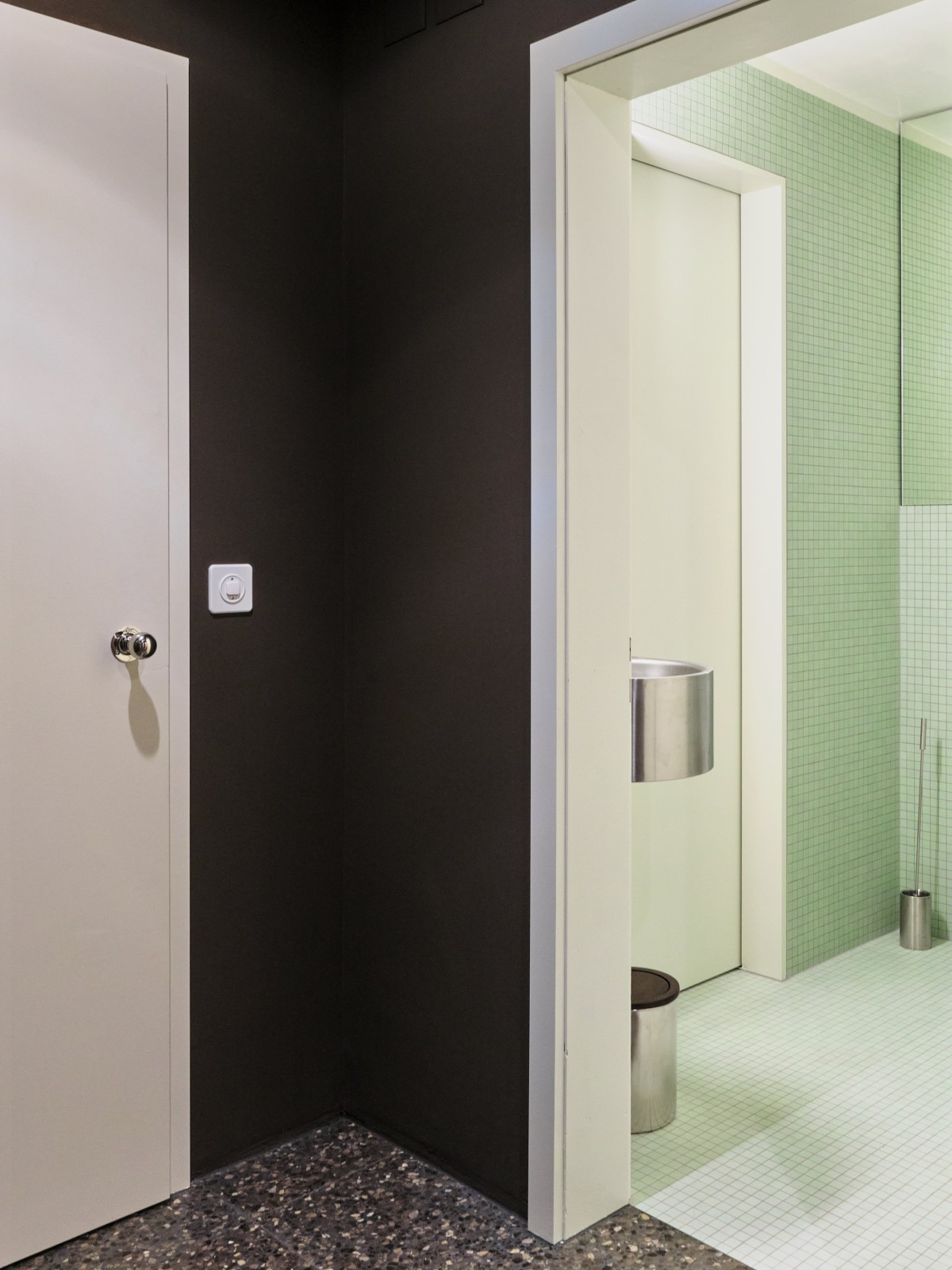
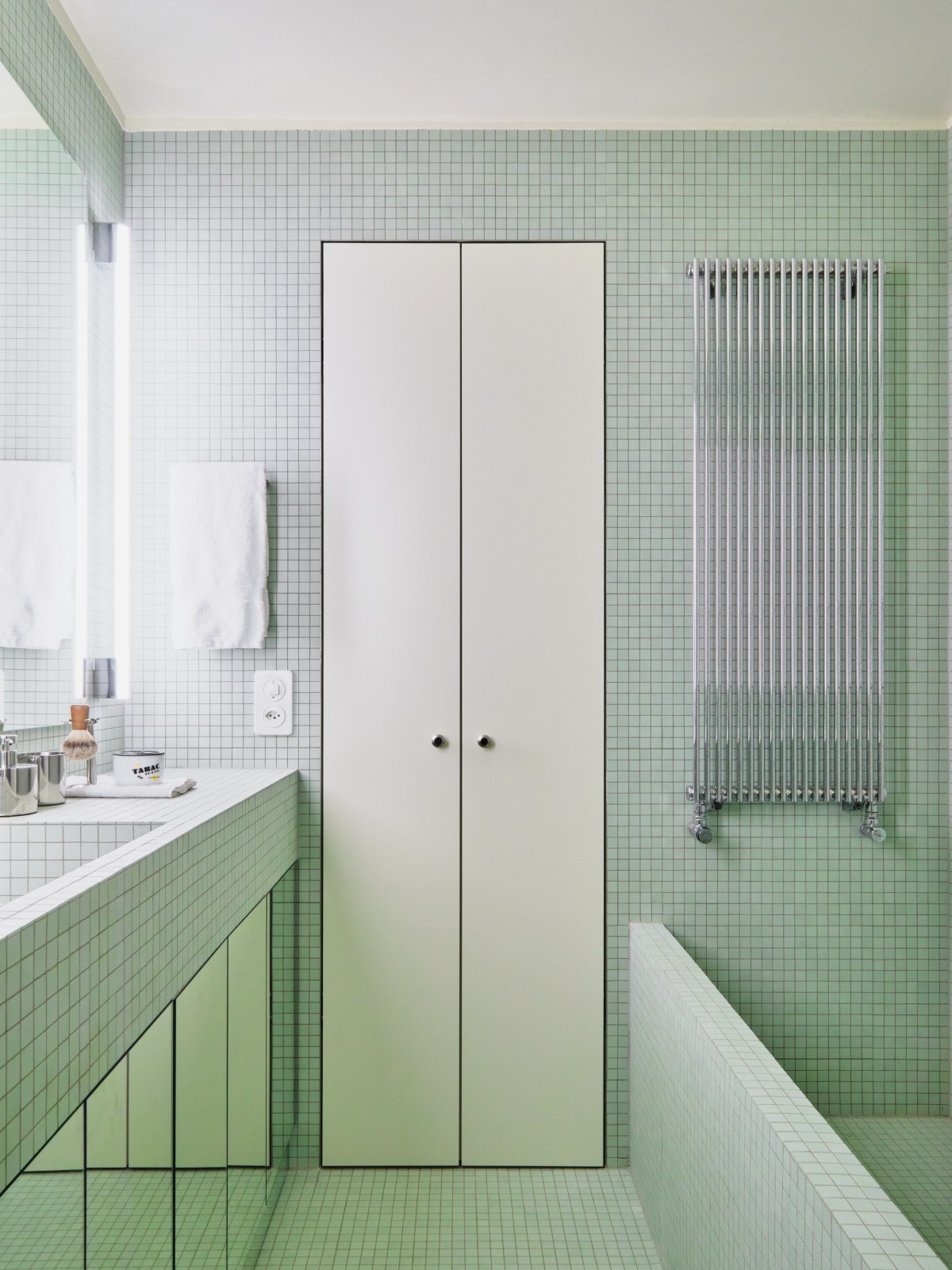
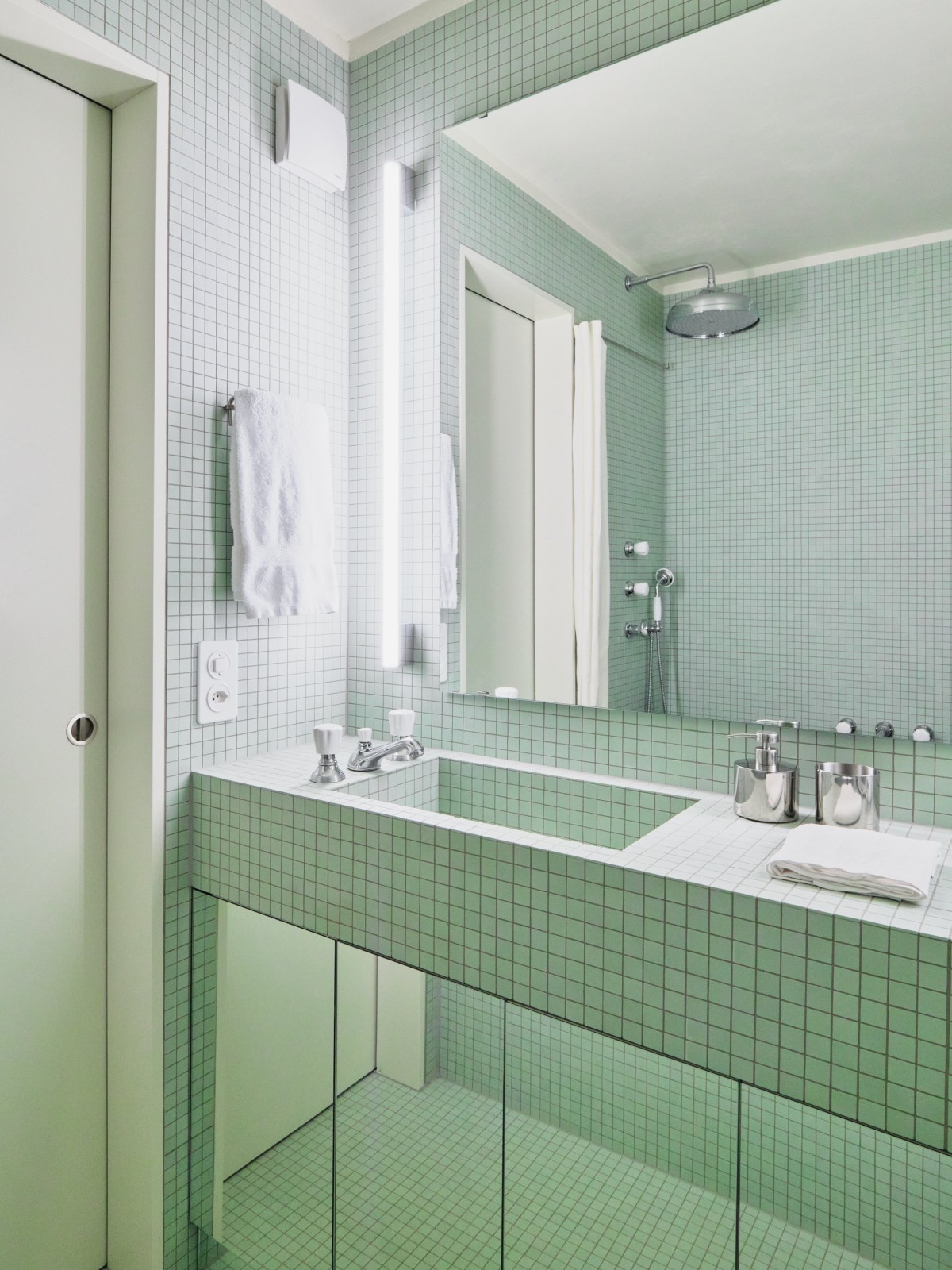
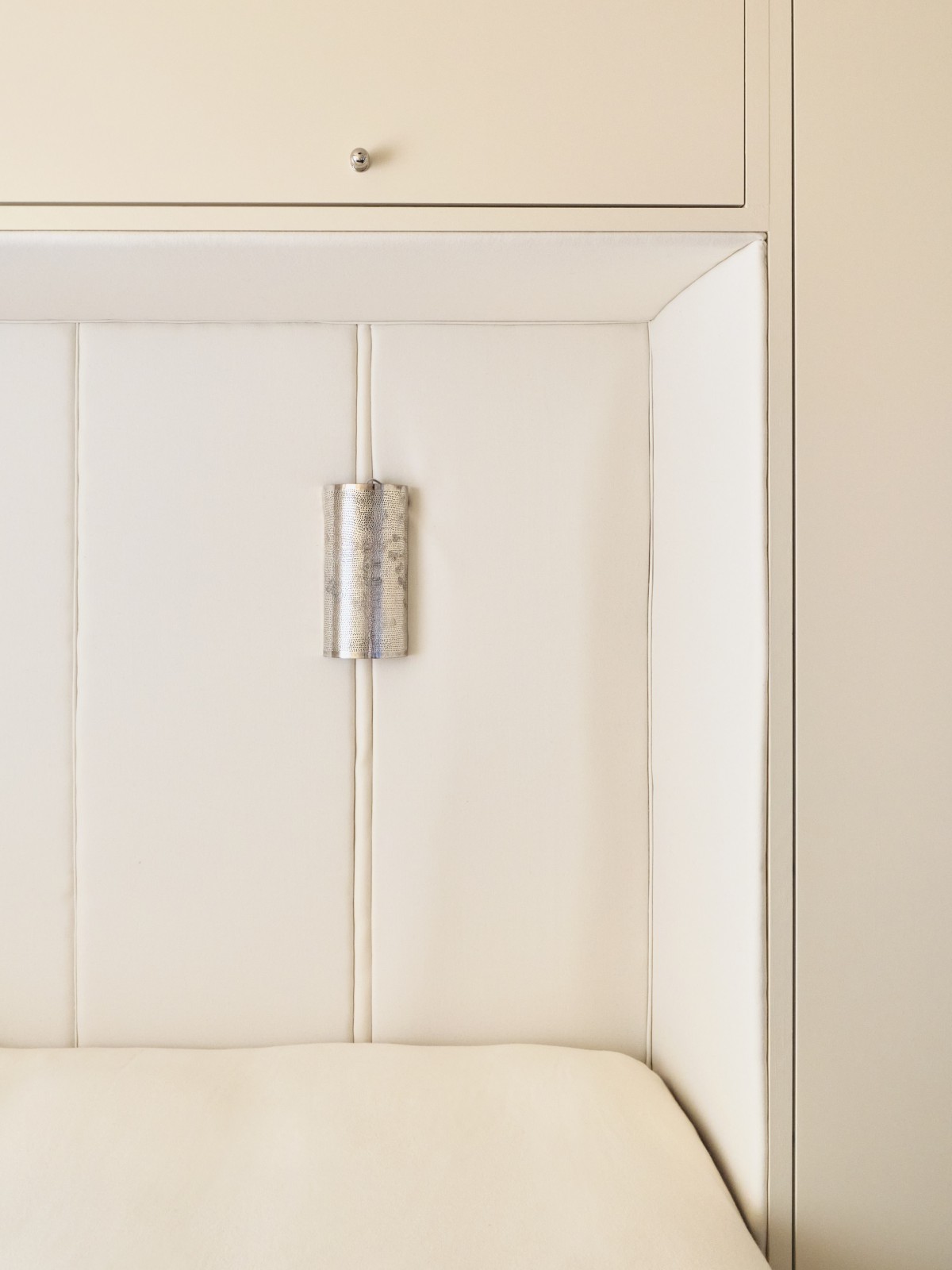
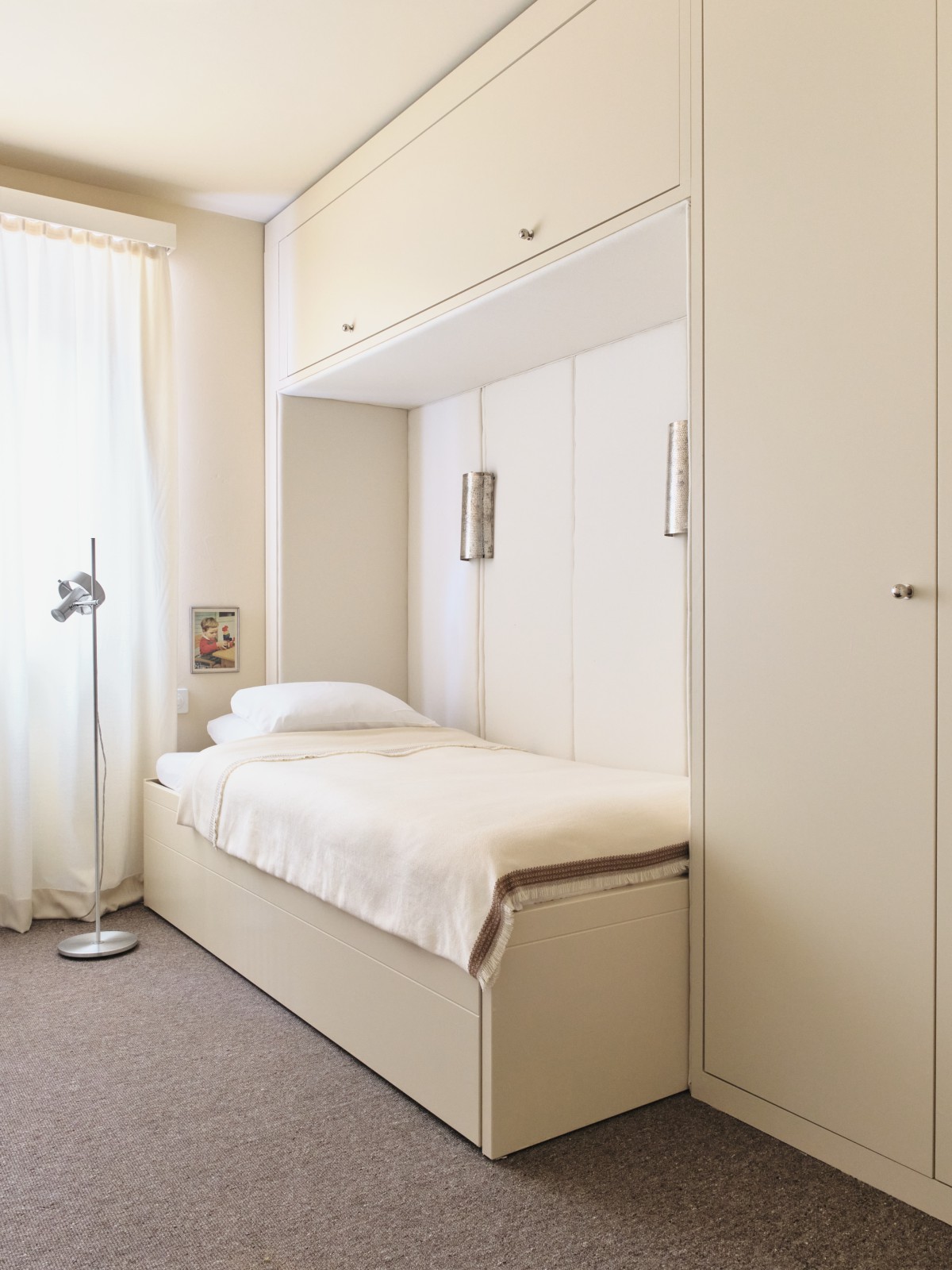
In his research on the human use of space, the cultural anthropologist Edward T. Hall identified four zones of interpersonal distance ranging from intimate to public – a concept that he called “proxemics”. According to Hall, the physical organisation of space impacts social interaction, thus giving architects an opportunity, and responsibility, to shape these spaces and consider personal distances in their work. In the original floor plan, personal and public spheres collided (see plan below). People using the bathroom passed directly in front of the dining room. By respecting interpersonal distances more carefully, the floor plan was reorganised to avoid unwanted collisions among the residents. In addition to serving the master bedroom, both the guest and children's bedrooms now have access to the bathroom via a second entrance. The bathroom is conceived as one monochrome space adorned with a stoned mosaic, which references a mosaic wall found in the original kitchen, as well as a mosaic theme typical of the 1970s. All other surfaces and objects in the bathroom are either reflective or off-white. Mirrored cupboard surfaces create a spacious feeling. The bathtub, formed by a simple tiled wall, is generously sized and feels like a small pool.
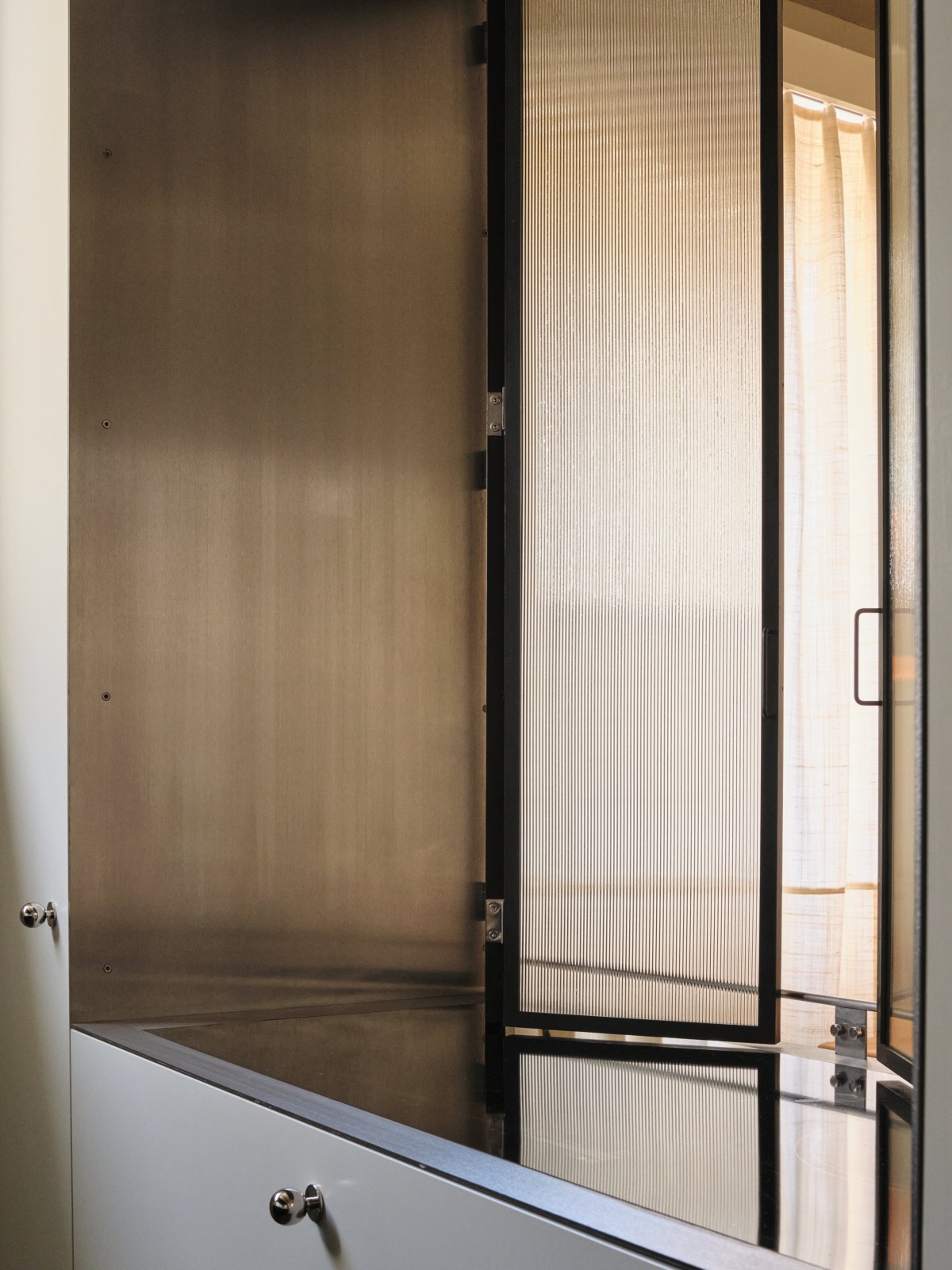
Inspired by the modernisation of the twentieth century, the kitchen is placed at the centre of the home. Yet, the concept is elaborated: a folding screen allows for direct communication between the kitchen and the dining room, though they can still be separated when needed. Both separation and communication are possible. In the tradition of the Frankfurt Kitchen, the kitchen is small, but designed efficiently to keep everything within reach and simplify the workflow. Besides being a practical place to work, the kitchen is now a beautiful object to look at and is no longer hidden in the back of the home. This creates a new kitchen type that allows for communication while cooking and provides a cozy separation of the kitchen during dinner.
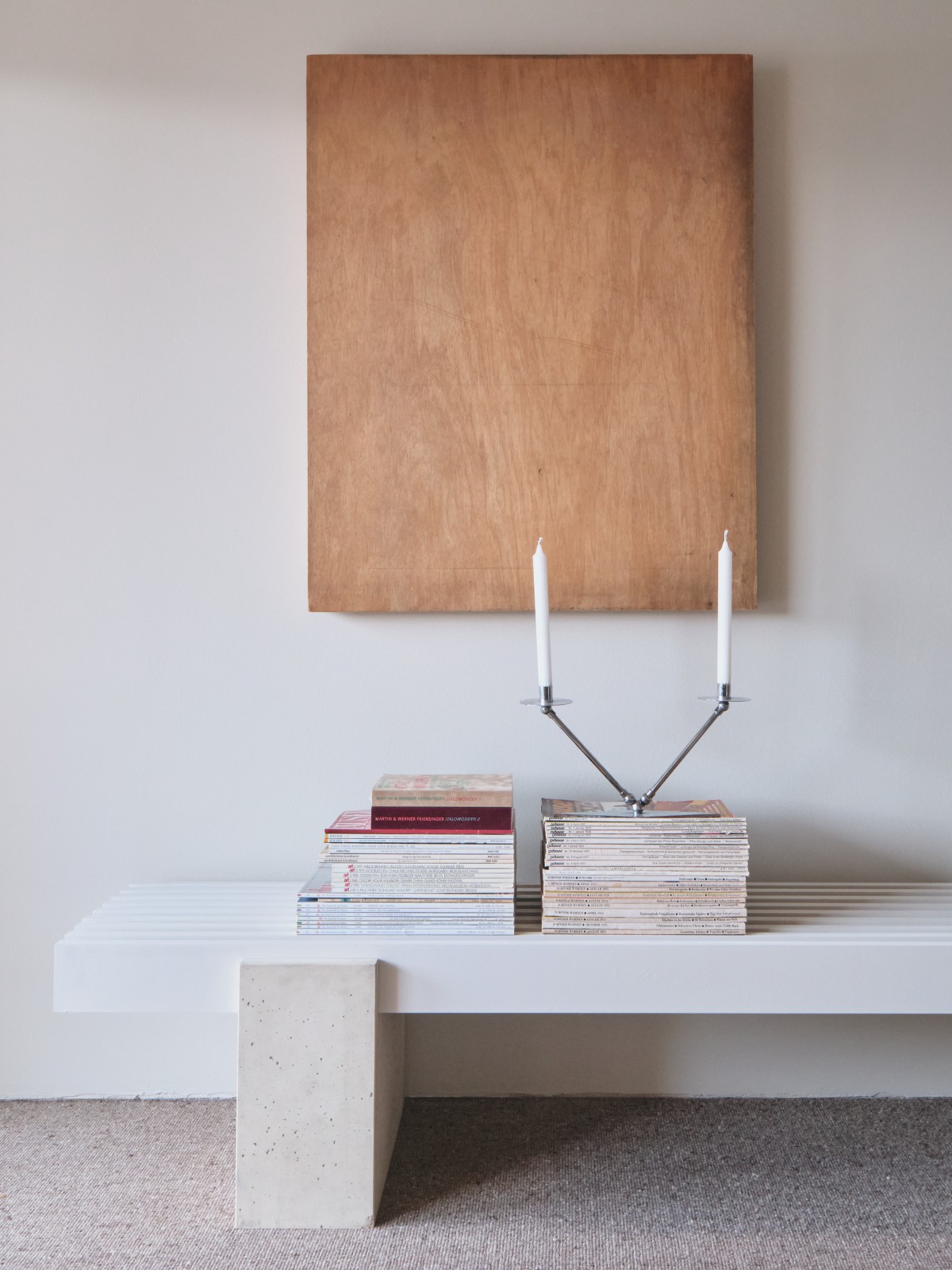
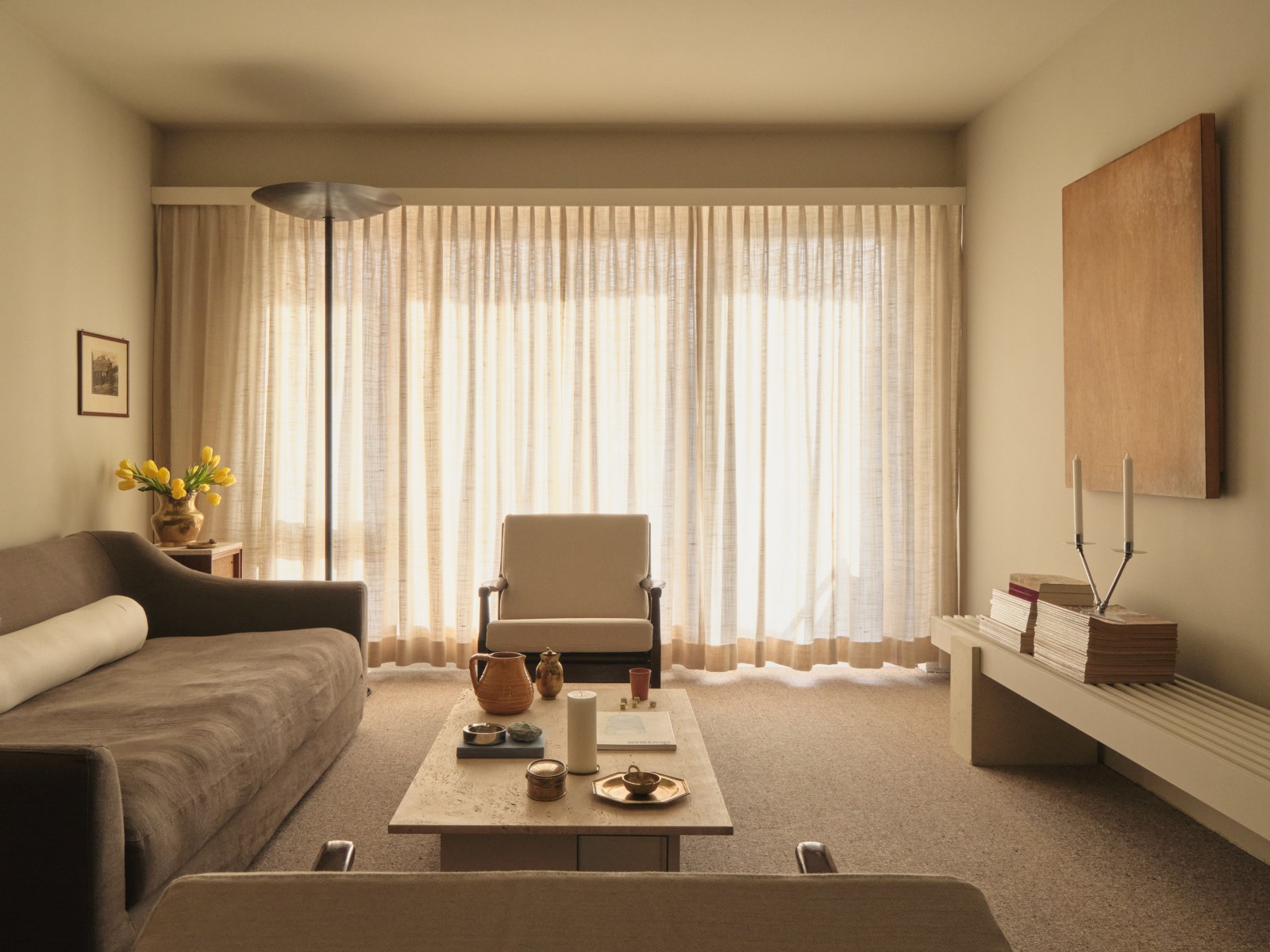
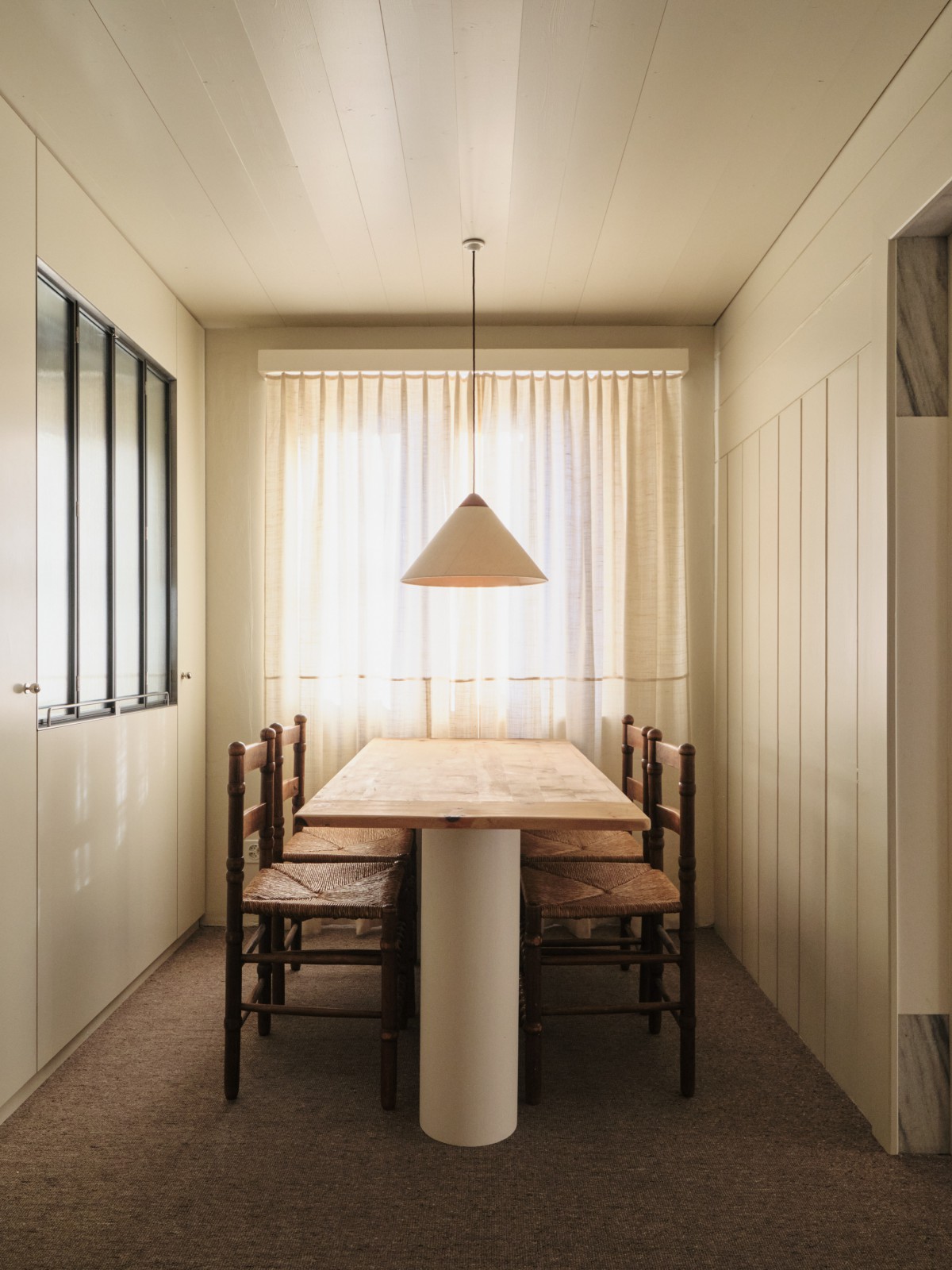
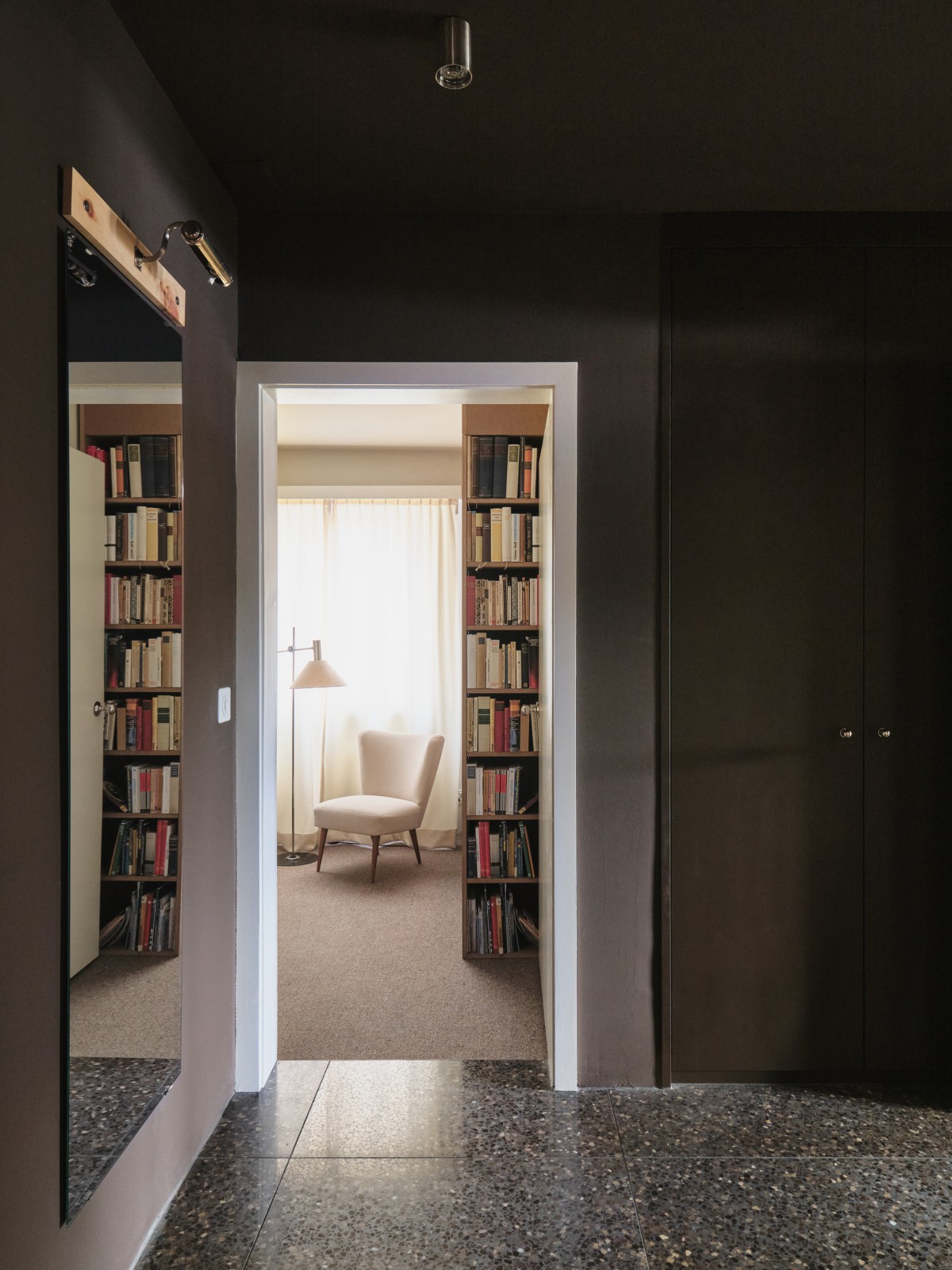
The colour and material concept is based on existing atmospheric patterns, and was formulated as a coherent process moving from room to room. A brownish-grey carpet sets the tone in the living and dining rooms. A lacquered wood panelling gives a sense of enclosure when seated at the dinner table. Earthy tones and local materials, such as Swiss pine wood, create a calm and comfortable mood. Brass details on the furniture serve as subtle ornaments. By incorporating these existing characteristics, and contrasts, the project develops a new sense of harmony throughout the apartment with the entrance area as a transition center, creating an atmosphere of intimacy and depth through dark colors and lighting.
Casa Muttabella
Project team: David Gössler, Jakob Wolters, Yola Fahdt
Start of planning: 08/2021
Construction period: 2021 – 2024
Scope of services: HOAI Phases 1 – 8
Gross floor area: 490 m2
Client: private
Photos: Constantin Riess, David Gössler
The detached house is located in the front part of an elongated plot on the outskirts of Berlin. The rear area borders on a forest with a large, characteristic oak tree at the end of the property. At the time of commissioning, a detailed plan of the outdoor facilities with swimming pond and vegetable garden already existed. Two main axes were to extend across the entire depth of the property with the oak tree as a point de vue. The main house had already been remodelled and altered several times in its history, so that little of its historic structure from the end of the 19th century remained. The interior was labyrinthine and obstructed. Even the original building had no access to the garden on the side facing away from the street.
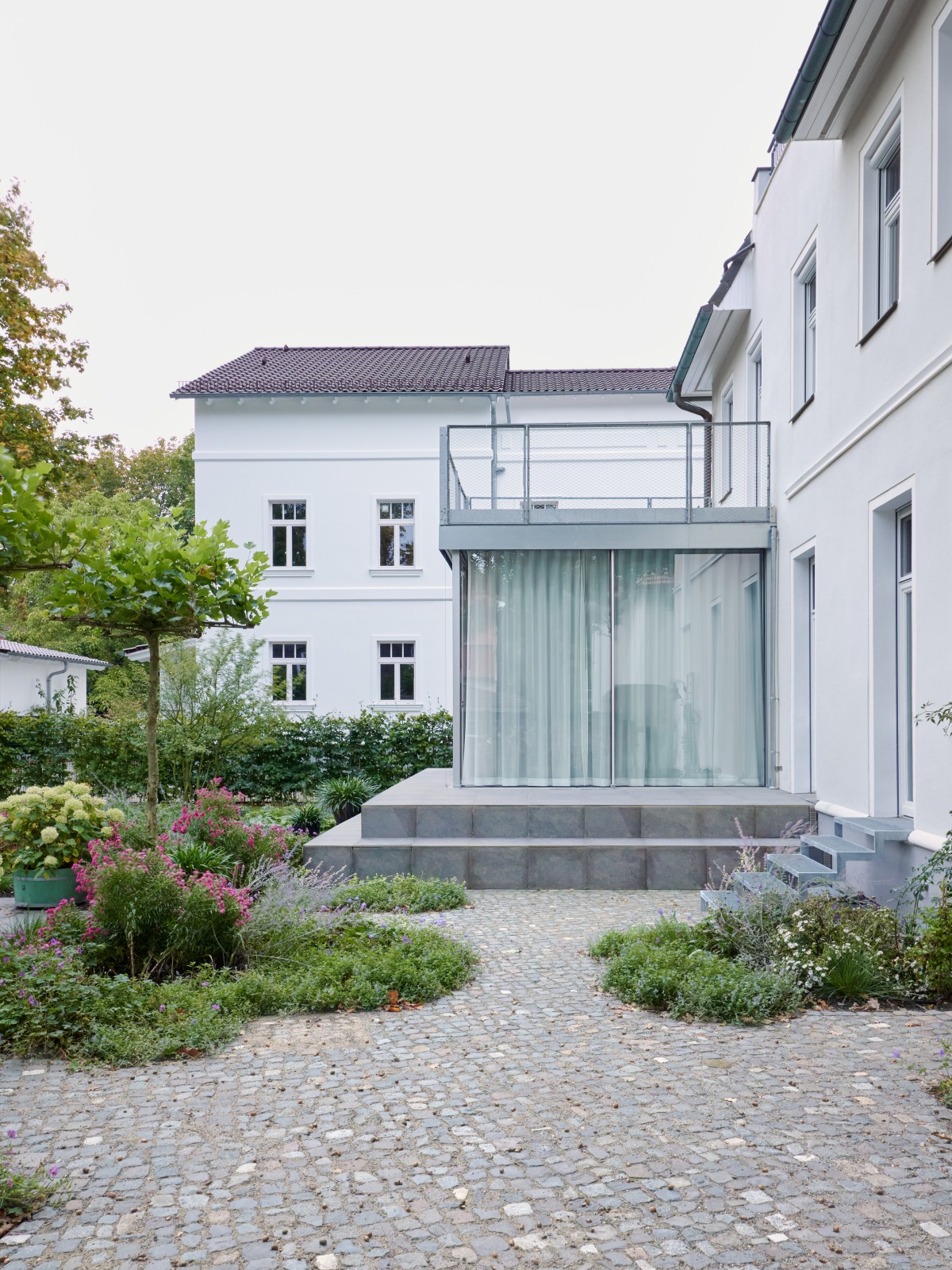
New openings to the garden side respond to the main axes of the landscape design created before the commission was awarded, so that the garden and house enter into a dialogue. Historical openings have also been restored inside the building so that the planned visual axes in the garden now extend into the street-facing rooms of the main building. Widenings along the visual axes form small squares in the outdoor areas. The theme is taken up and a square in front of the main building is raised to the level of the ground floor and provided with seating steps. The original barrier between the mezzanine floor and the garden is moved into the garden, creating a playful transition.
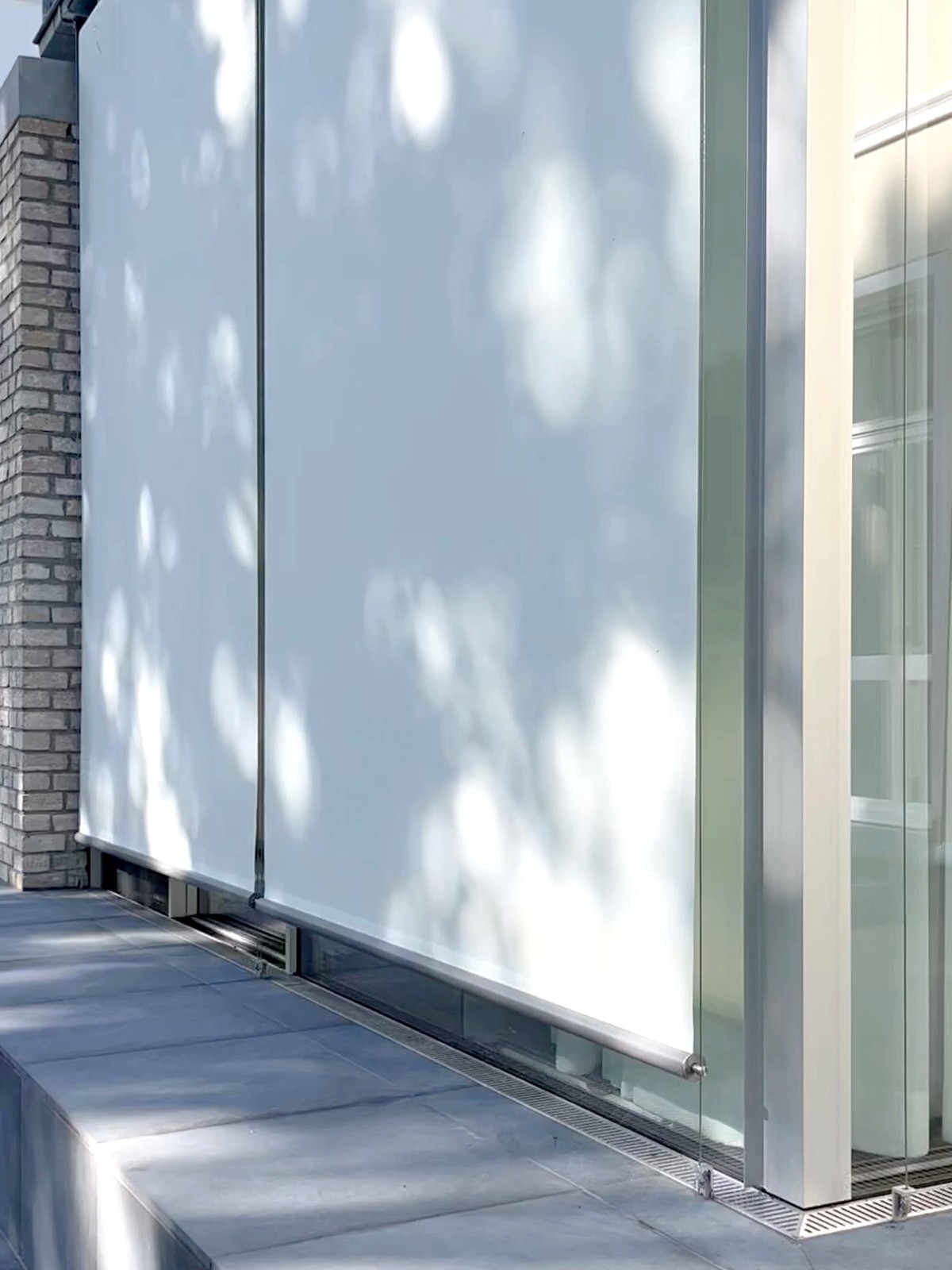
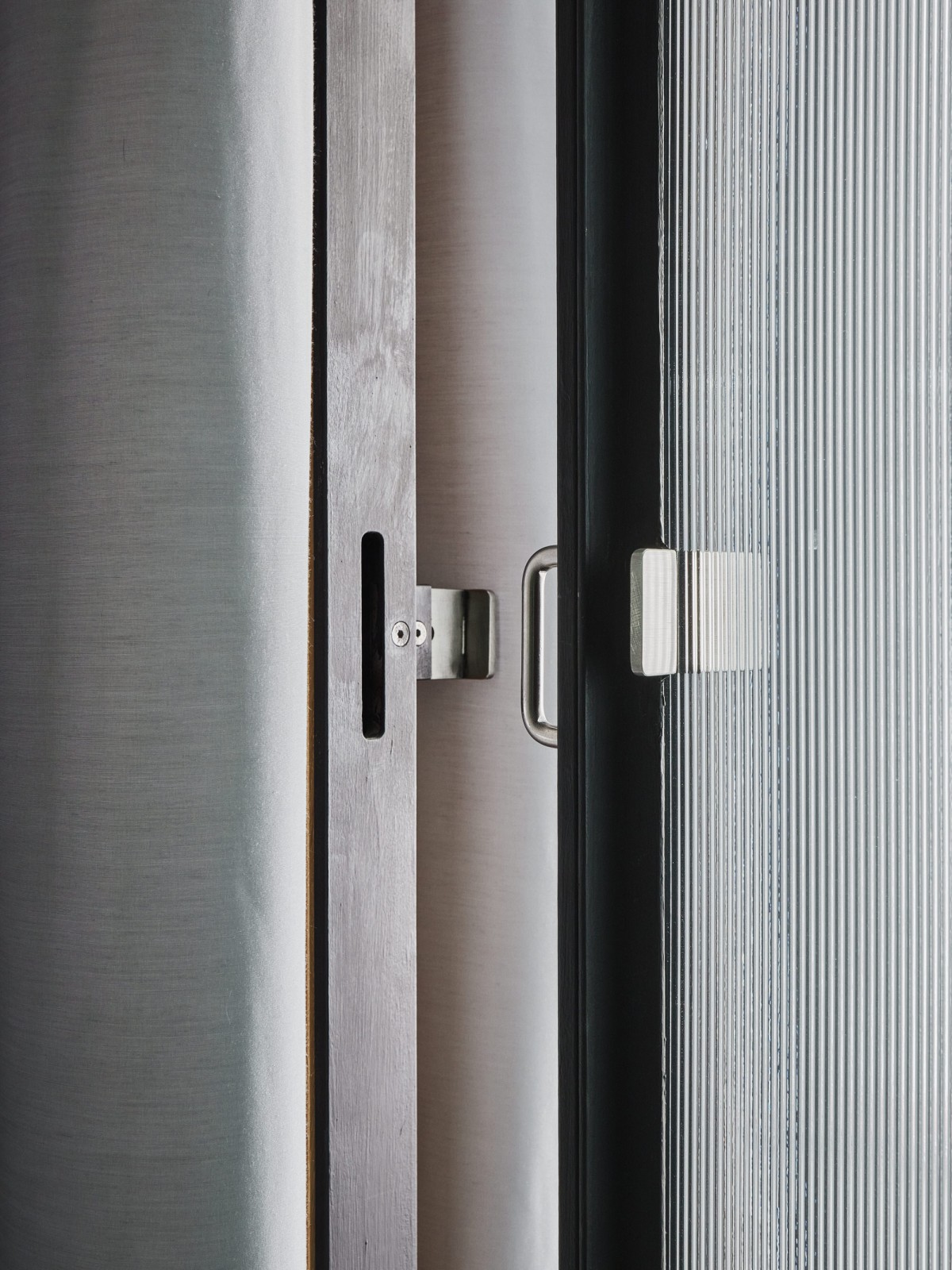
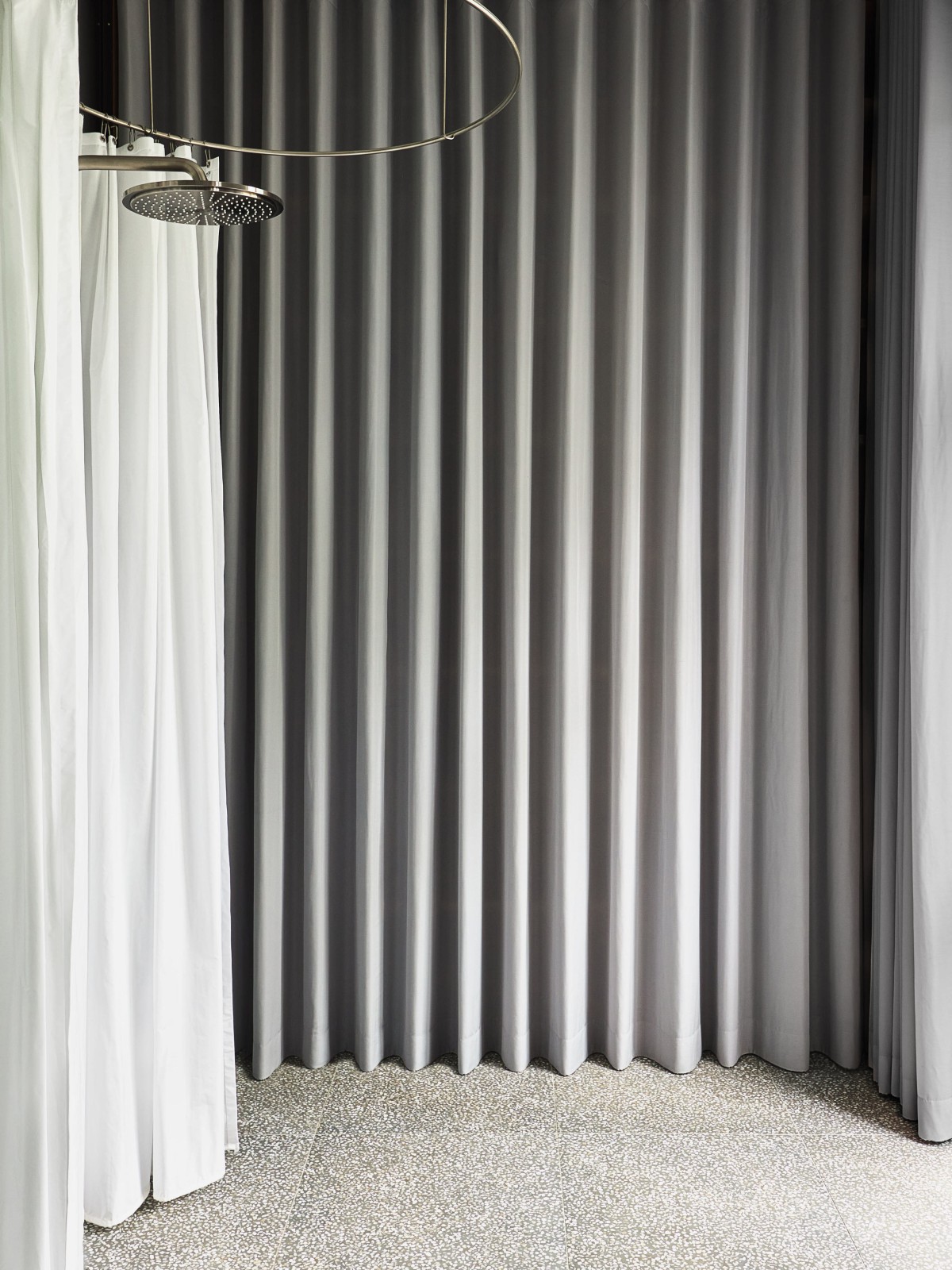
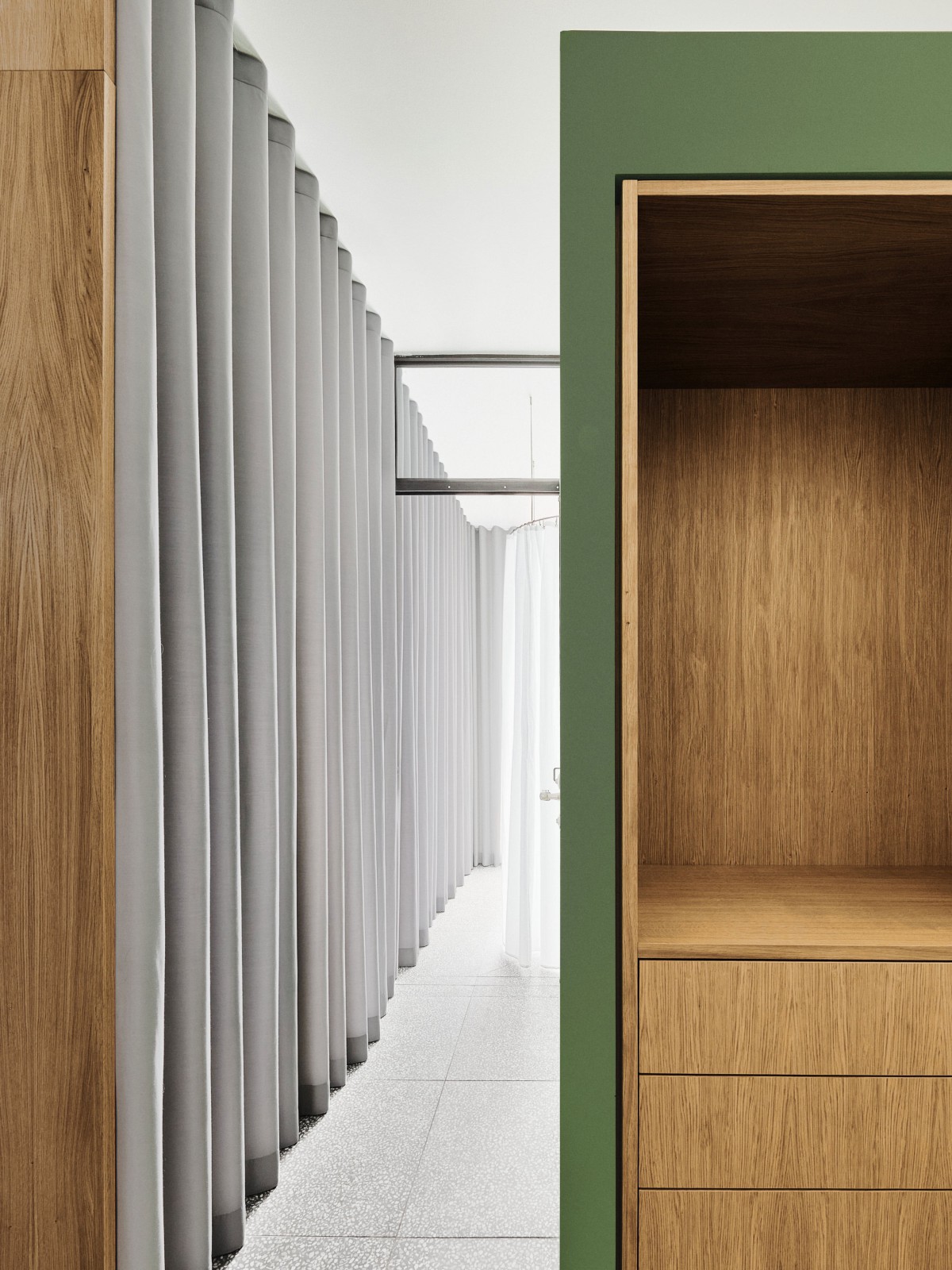
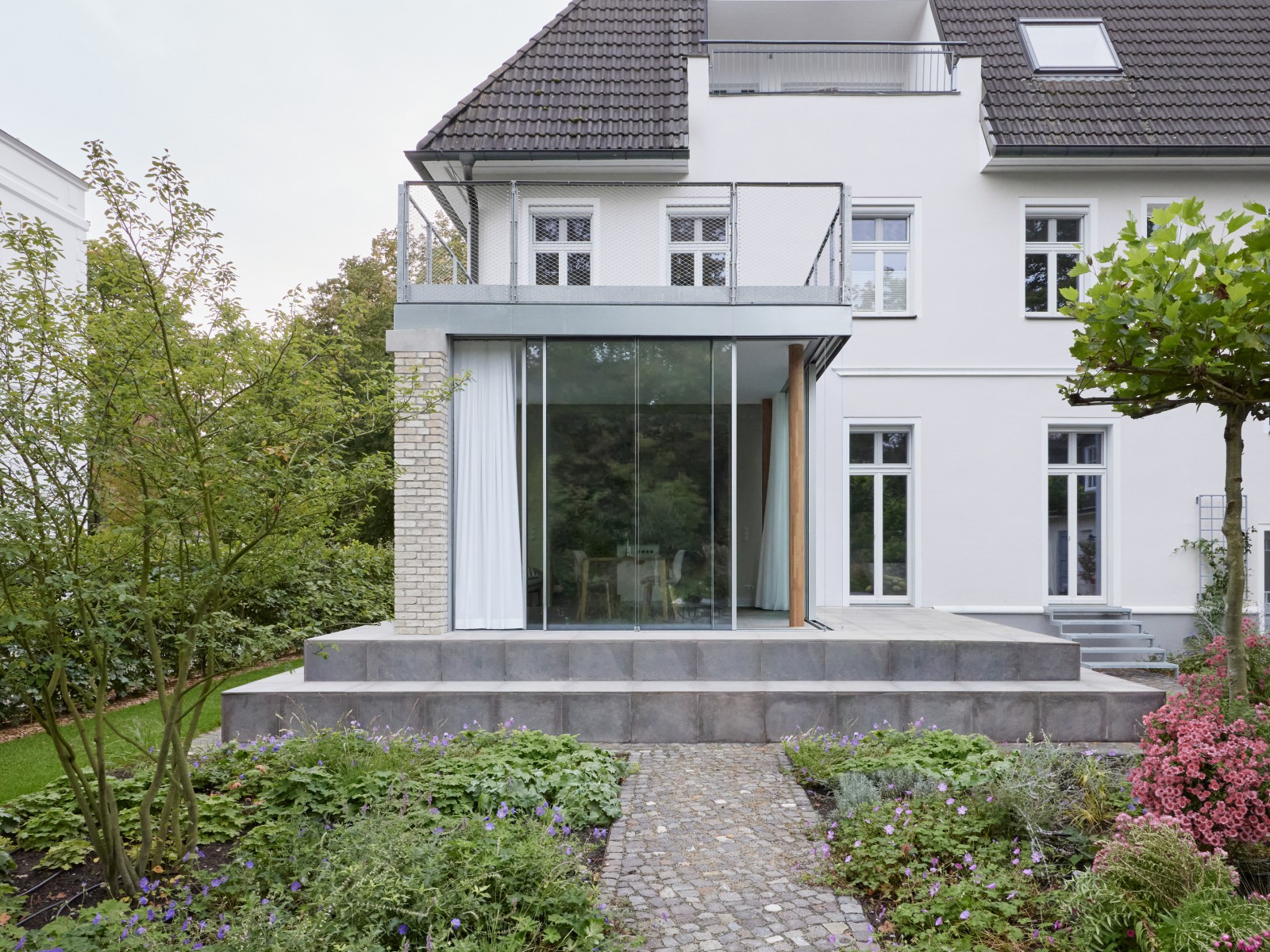
A wall made of reused, sand-coloured bricks serves as a support for a green roof. Generous sliding windows with slim aluminium profiles allow for maximum opening. The exterior and interior flow into one another deep into the house. The wooden ceiling with intensive greenery lifts the garden into the upper floor in front of the master bedroom. The railing made of slender steel profiles and stainless steel mesh recedes and serves as a climbing aid for additional plants. The interior of the house was gutted. A freestanding cube containing a wardrobe, utility room, and guest toilet, allows free circulation between the living space, entrance, bathroom, and garden. The view from the shower extends along the main axis in the garden into the entire depth of the property as far as the old oak tree.
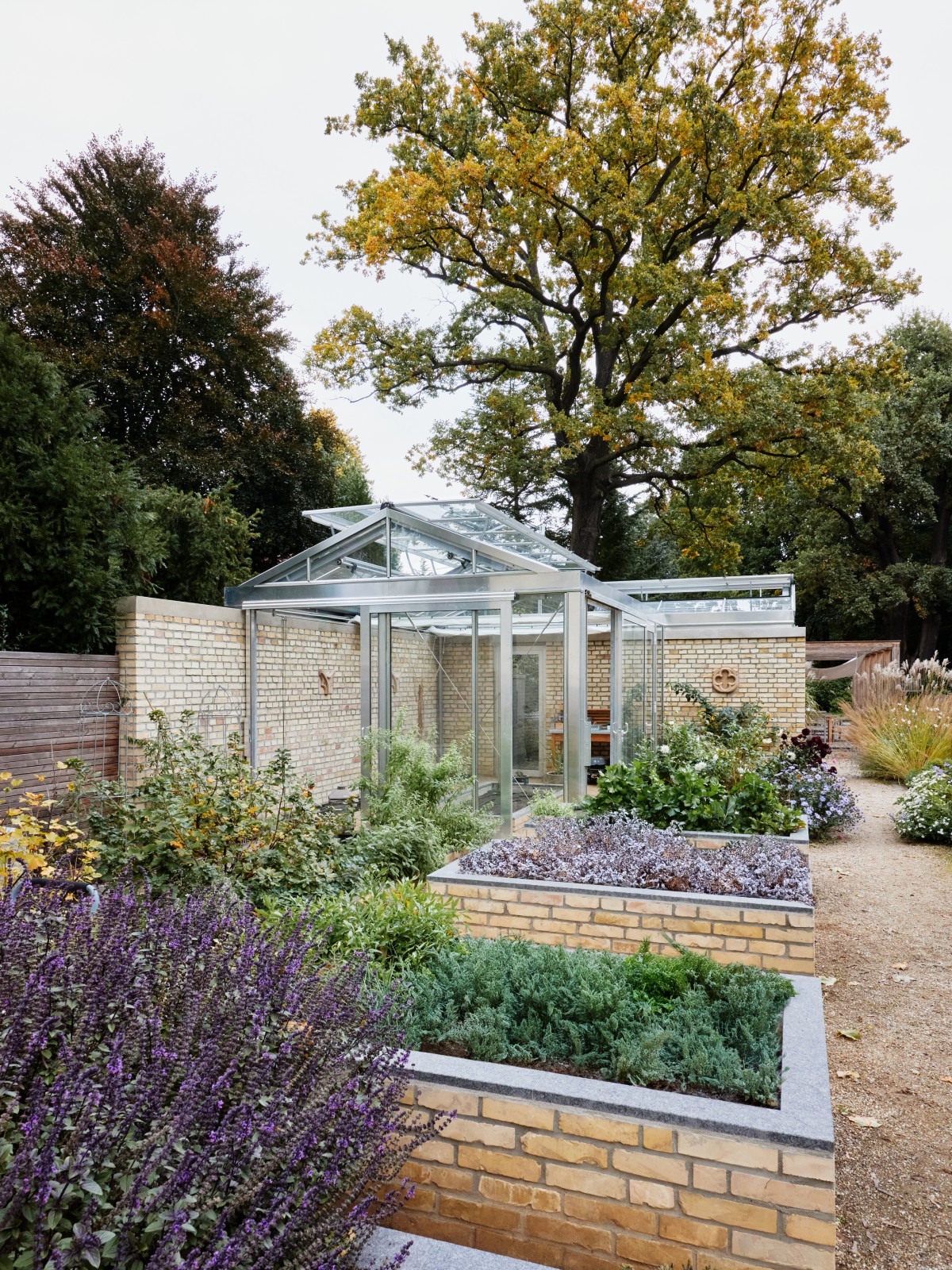
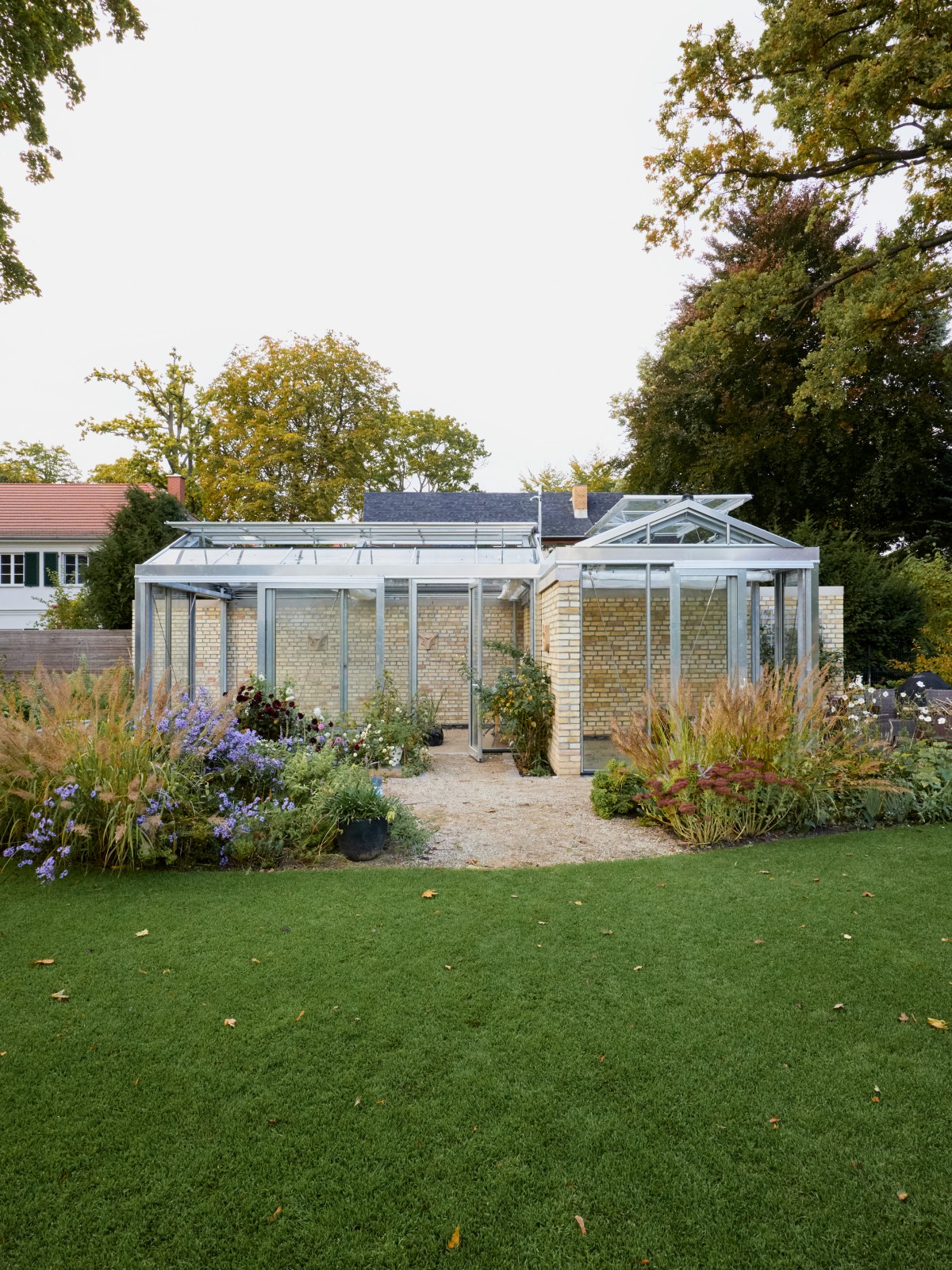
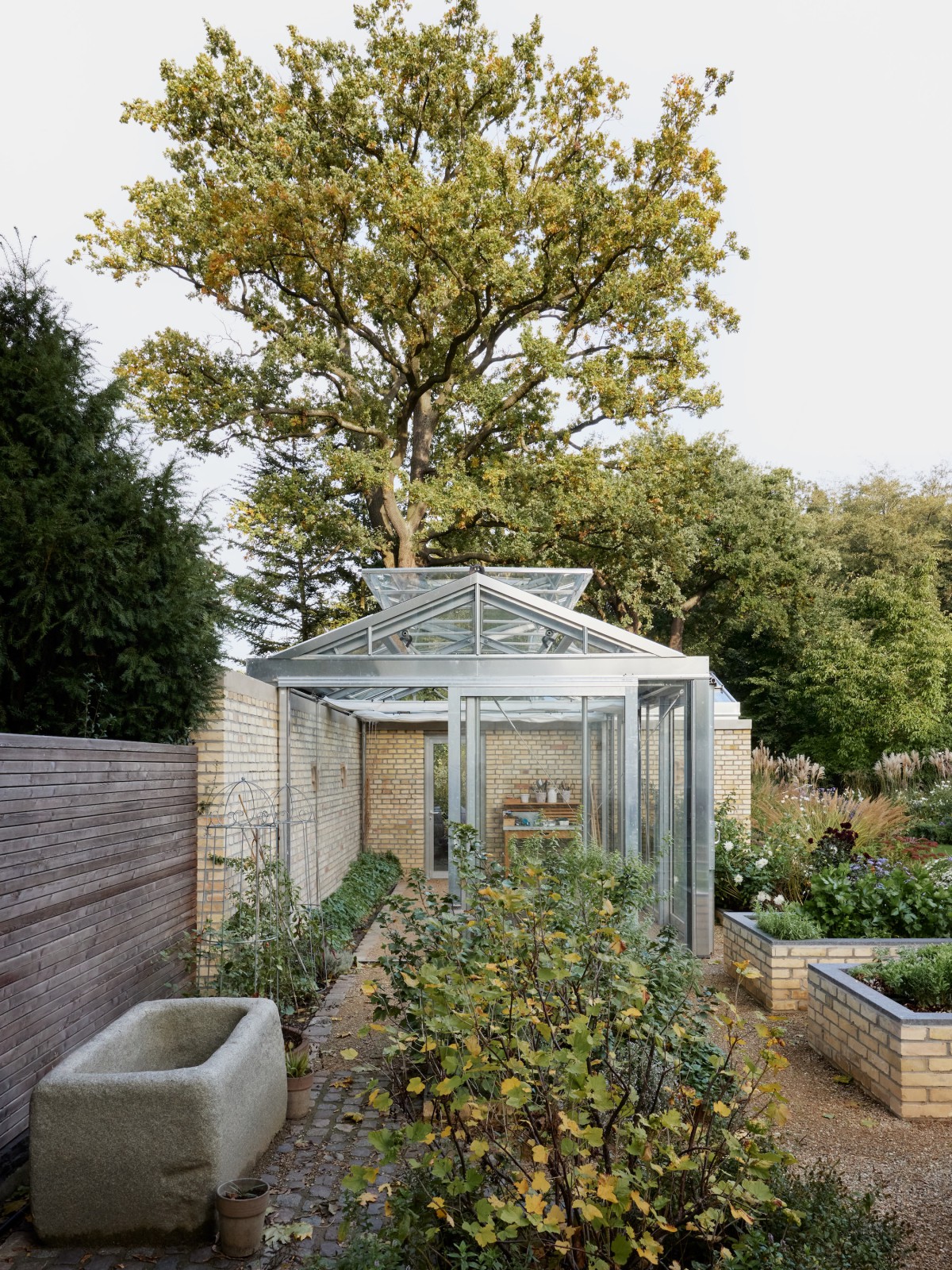
In the vegetable garden area, the existing arrangement of the (raised) beds was adopted. Three precisely placed brick walls divide this area of the garden into vegetable garden, outdoor kitchen and storage areas. A glass roof rests on top of the walls analogous to the main house, forming a house for plants. This creates seamless transitions between the exterior and the interior spaces for plants. The sand-coloured, reused bricks echo the colour of the water-bound path surface. The use of old, reclaimed bricks alone saved around 1.5 tonnes of CO2 equivalents in the project.
Weitblick
Project team: David Gössler, Olivia Sommer
Start of planning: 05/2021
Construction period: 01/2022 - 08/2022
Scope of services: HOAI LP 1-5, LP 8 design supervision
Gross floor area: 85 m2
Client: private
Photos: Constantin Riess, David Gössler
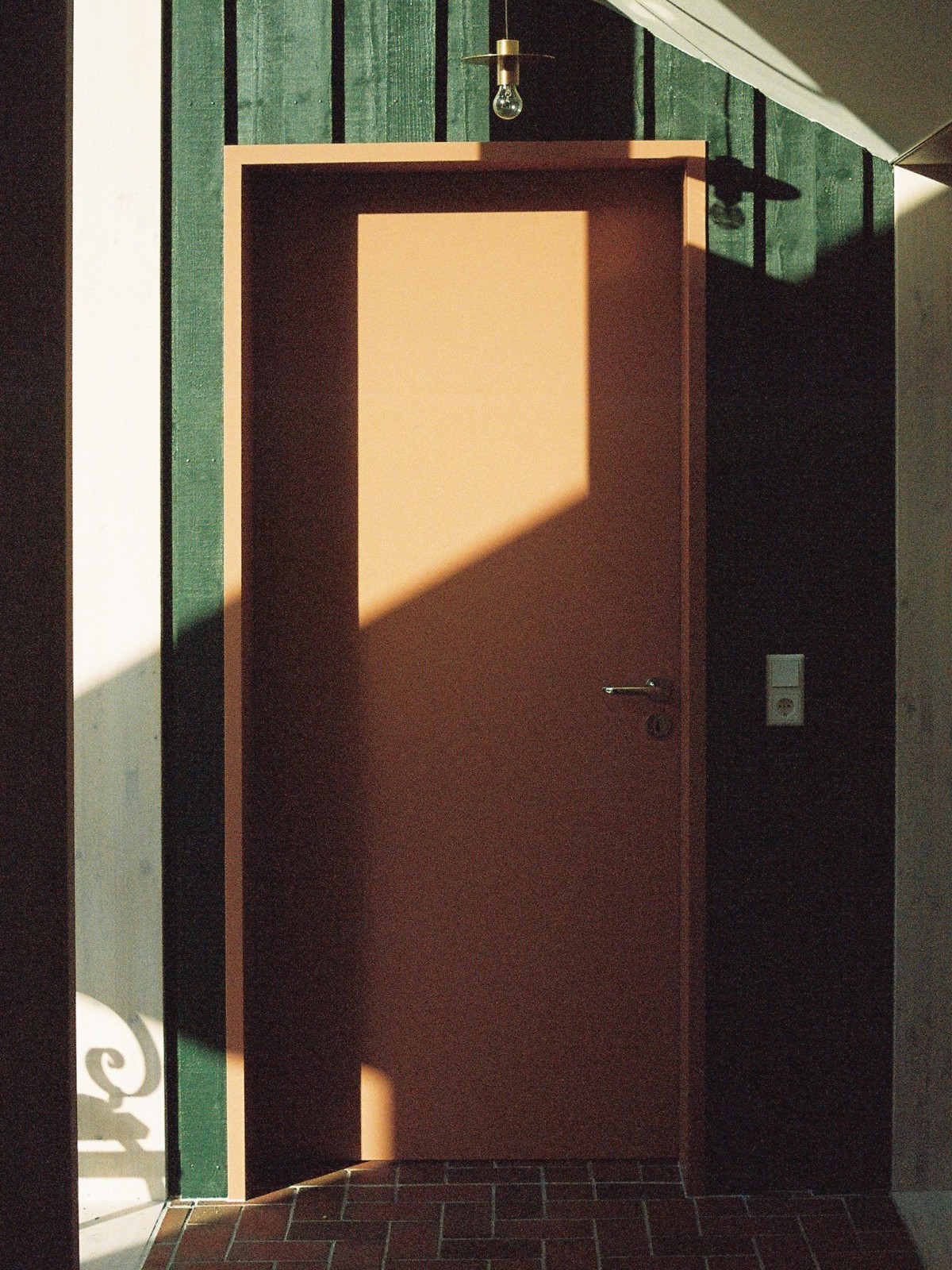
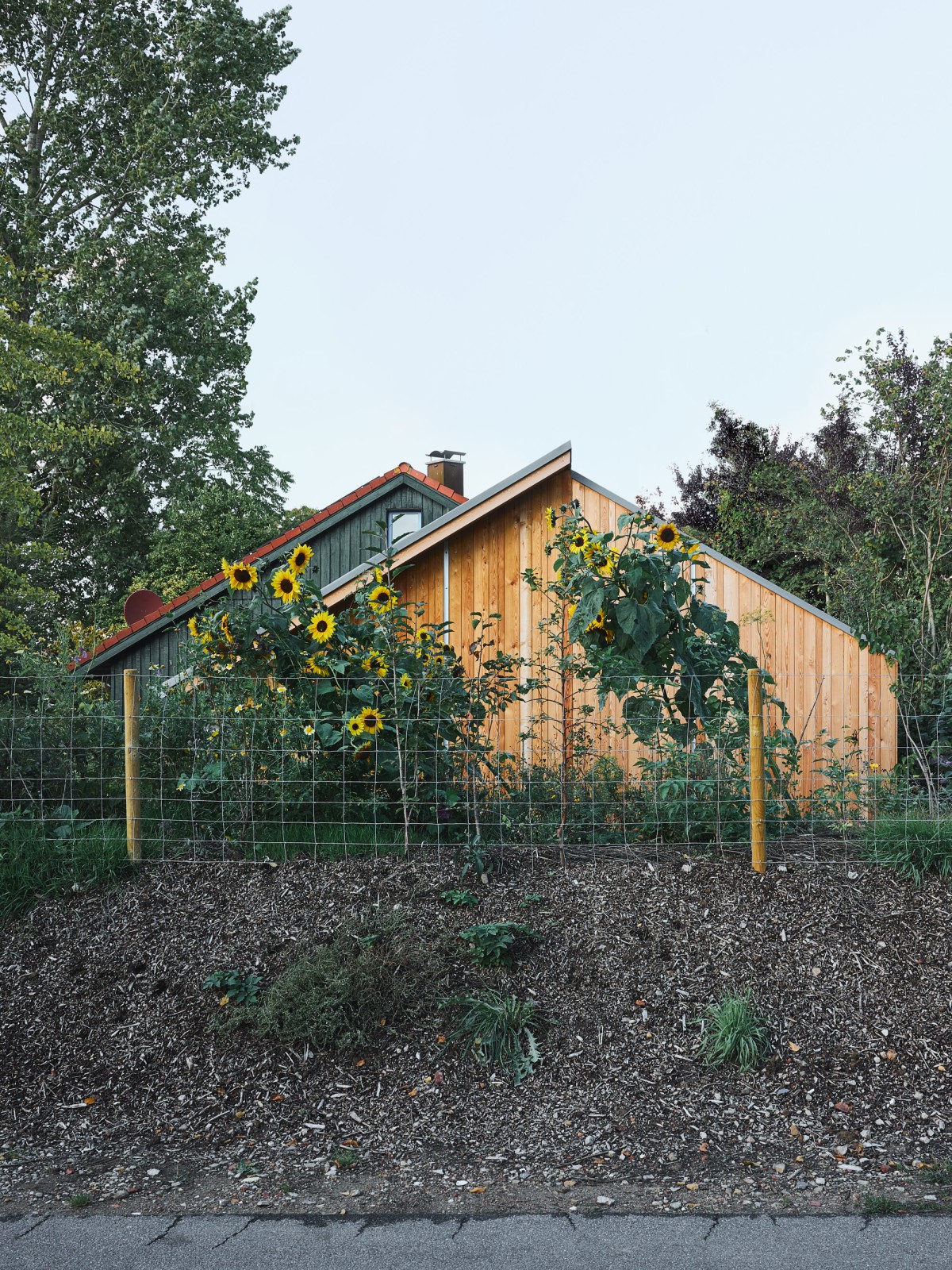
The existing building was constructed in the early 1990s as a weekend and vacation home near the Schlei in Schleswig-Holstein. Barely visible from the street, the property extends deep into a wide field between two hedgerows. The building stands on the rear, northern part, while the garden to the south offers an idyllic green space.
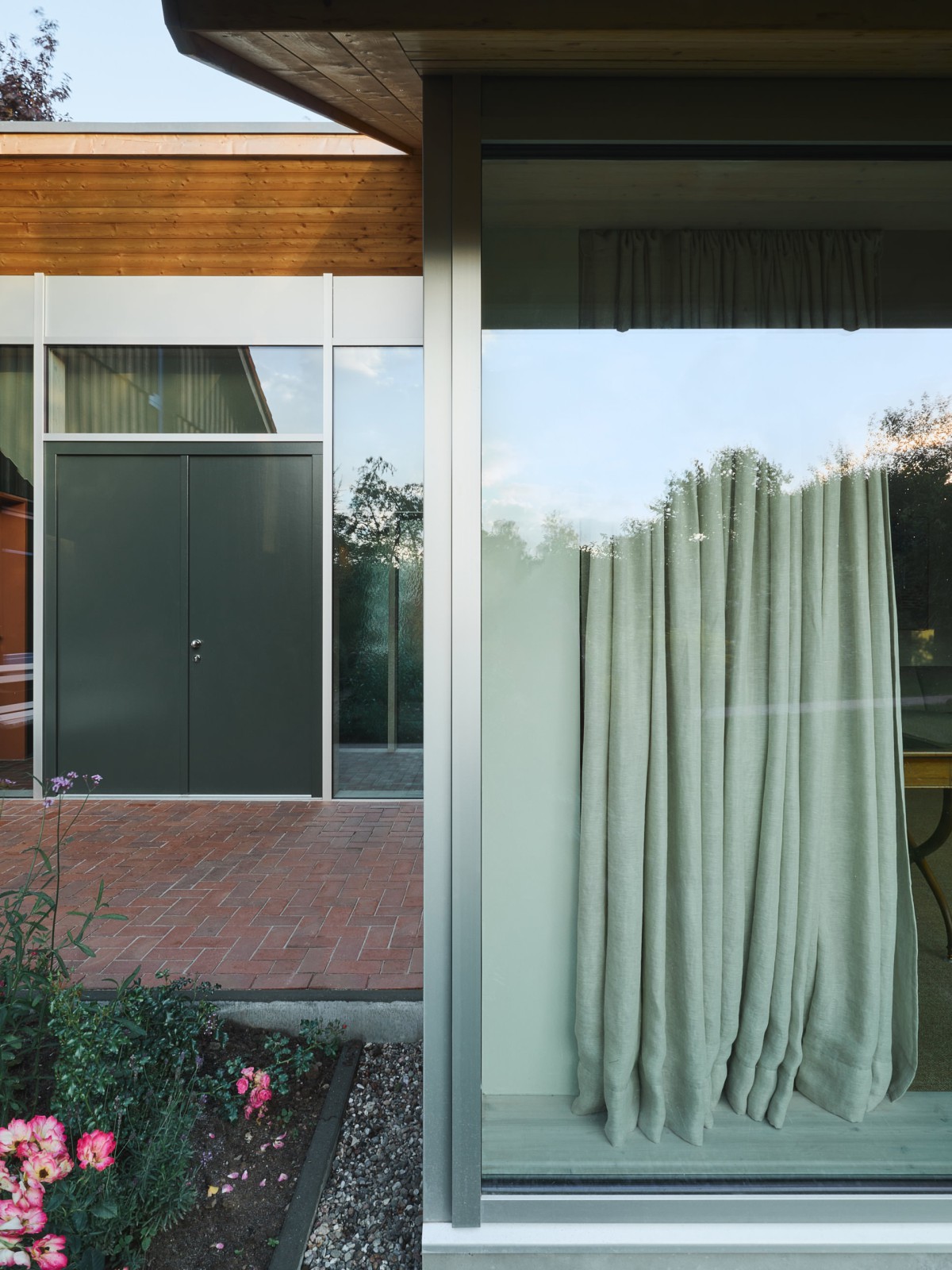
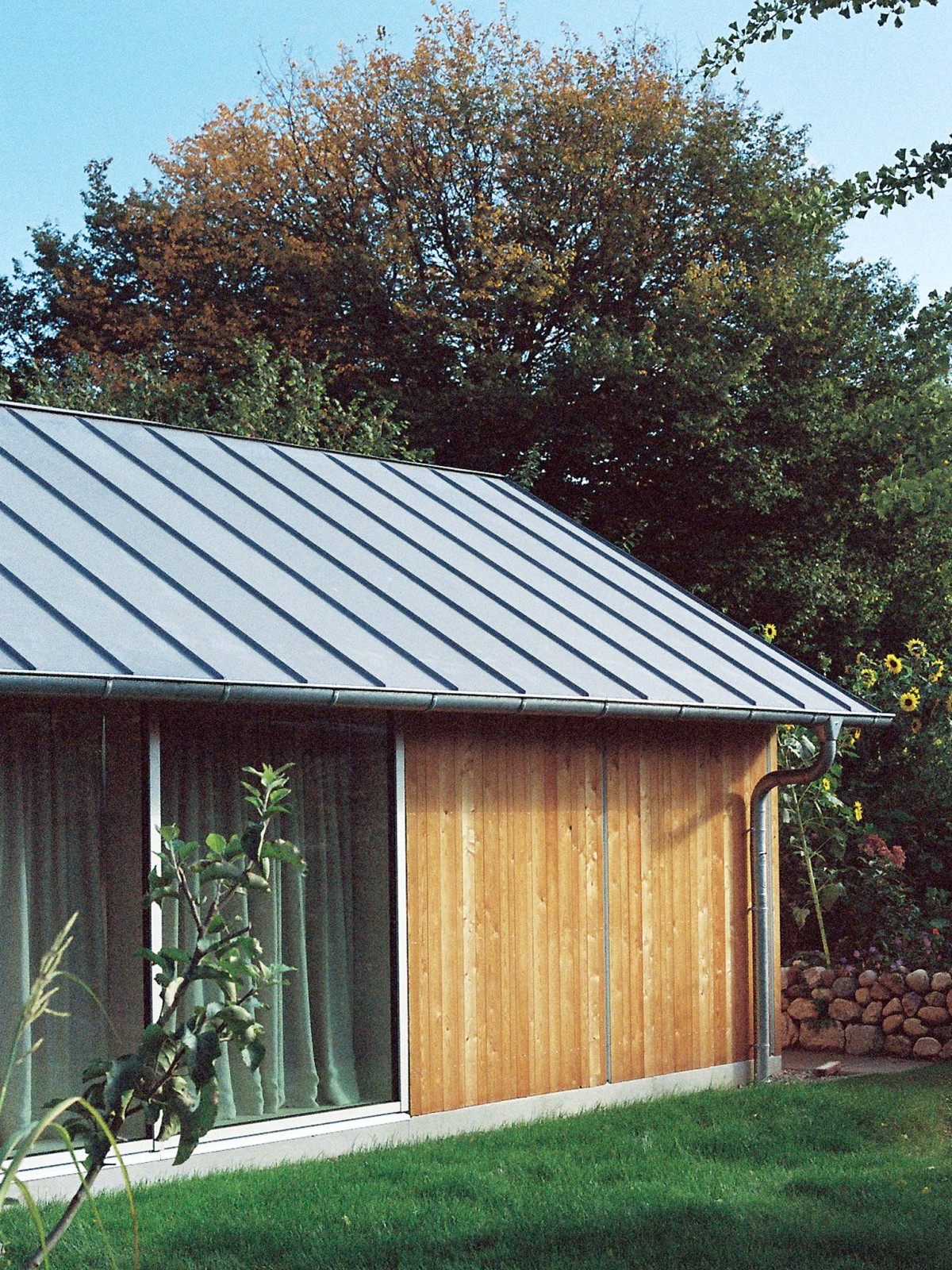
The house is characterized by a large, overhanging gable roof. Two undercuts for the terrace and entrance are arranged point-symmetrically in the floor plan. However, the layout of the property is unclear, and the entrance appears awkward, dark, and uninviting.The façade with dark green painted wood paneling is closed off from the garden. It is not possible to access the garden from the living room, so the garden is hardly used as a place of relaxation.
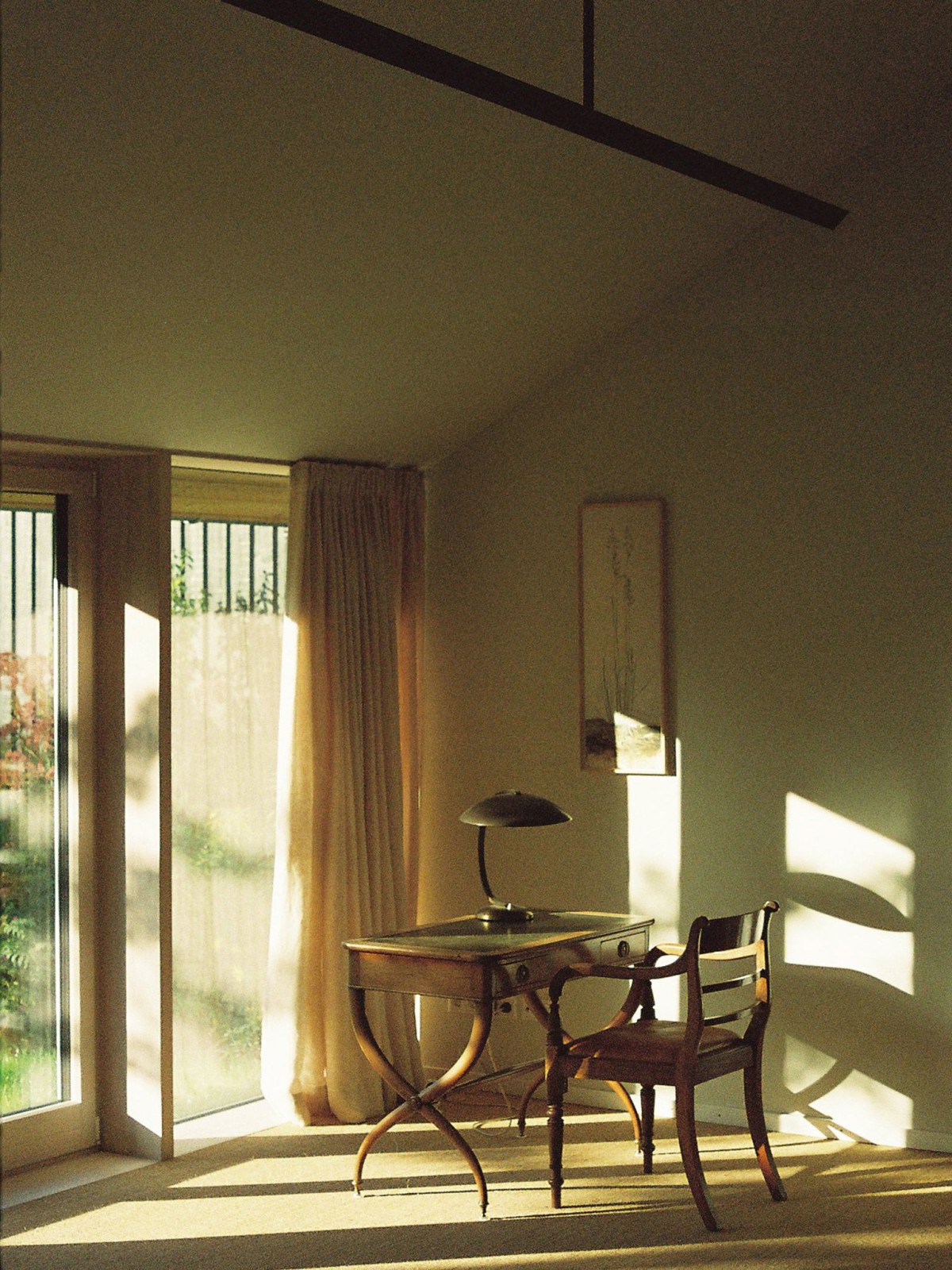
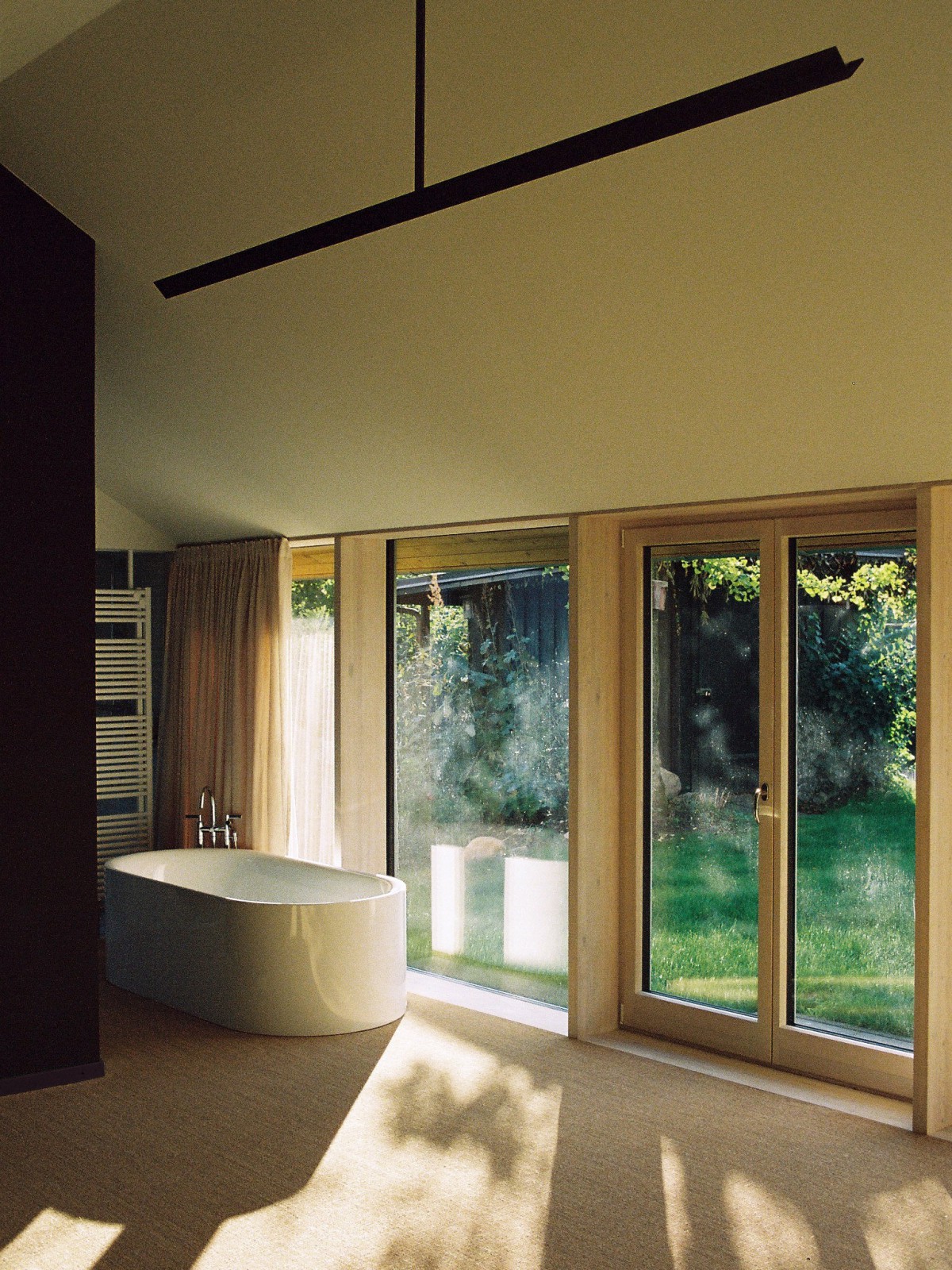
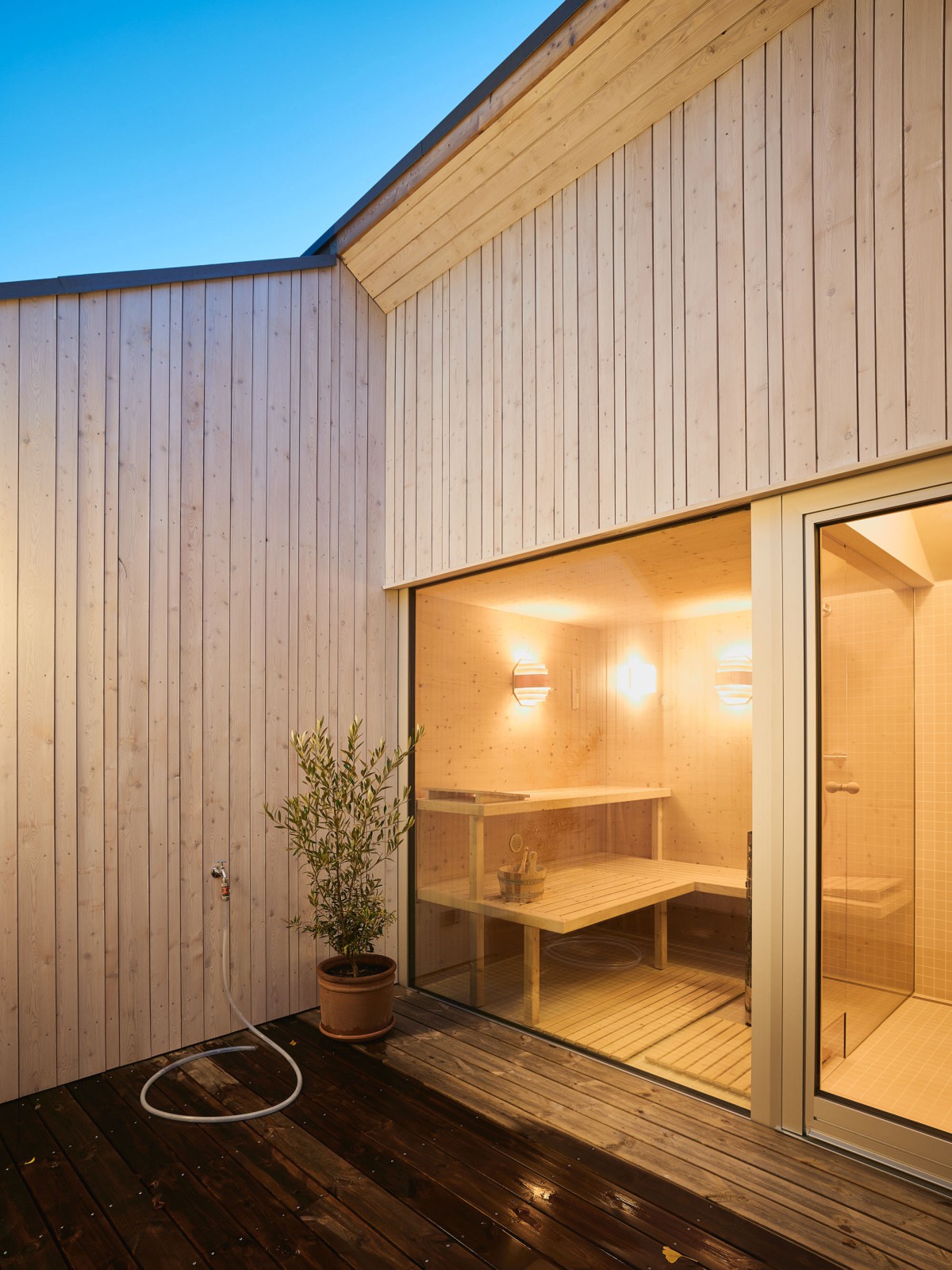
The existing house is to be extended to include a living room with bathroom facilities and a sauna. The aim is to enhance the qualities of the location, especially the idyllic garden, and to connect the living area with the garden.
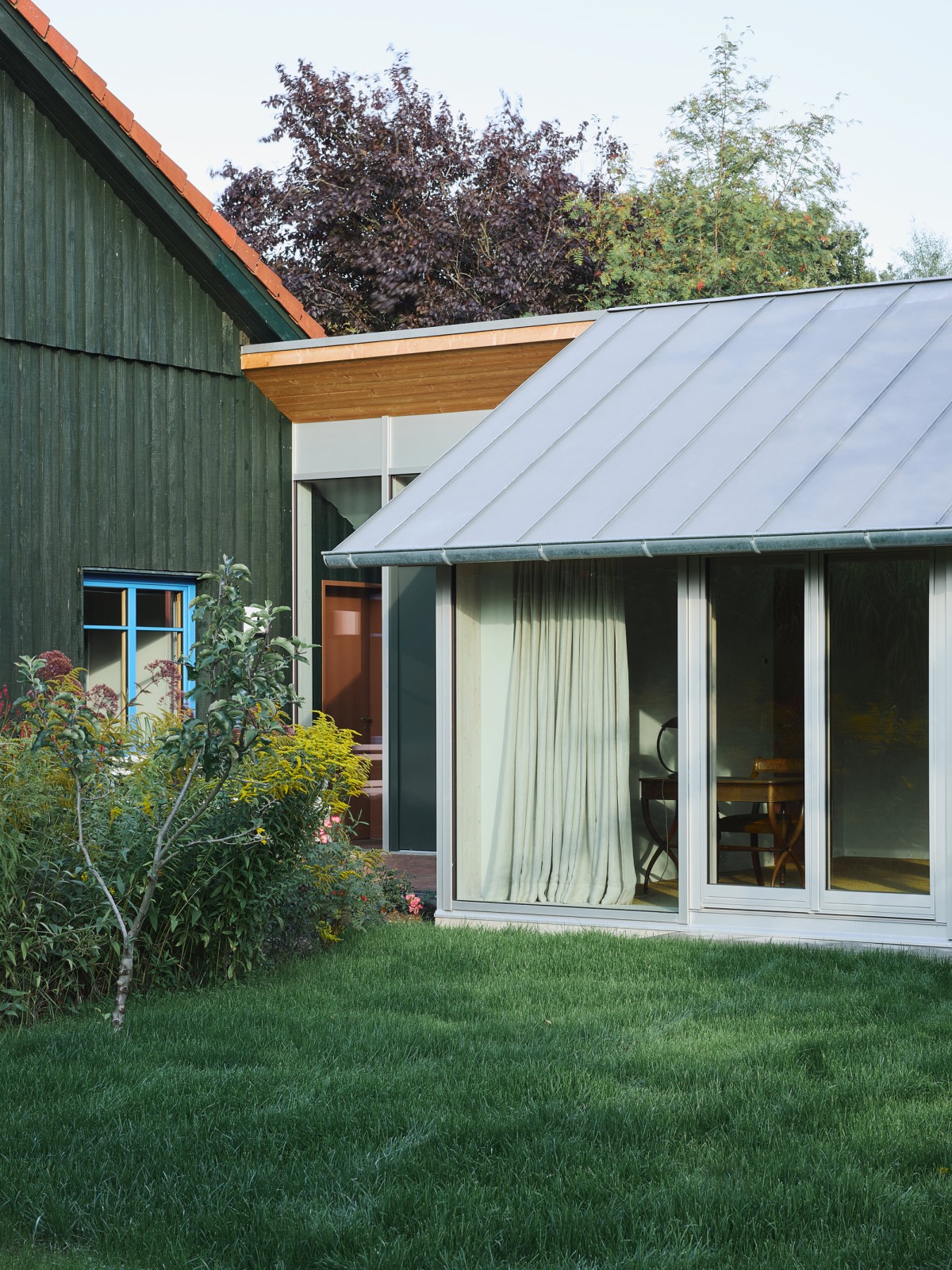
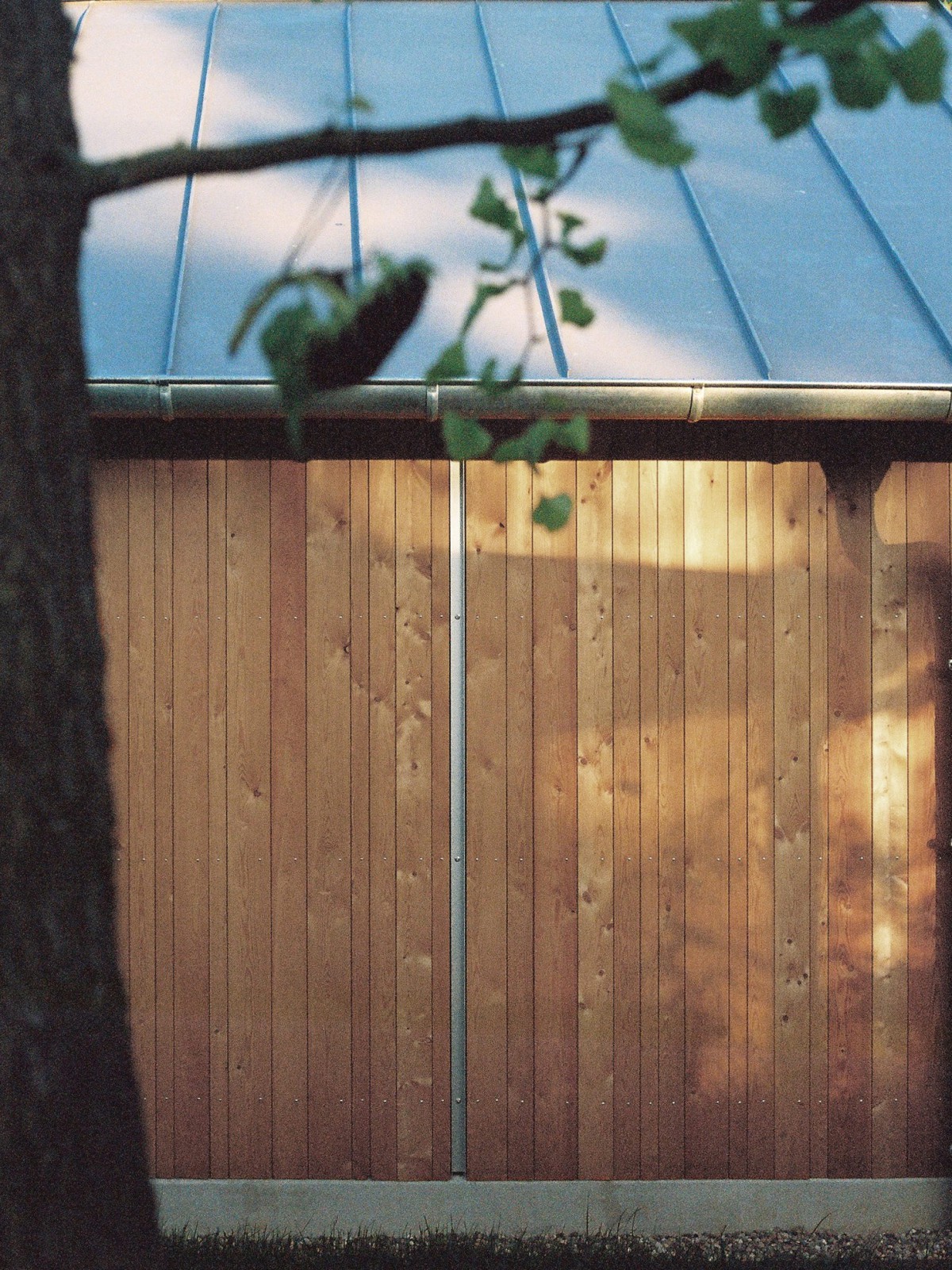
Following the logic of the existing structure, a new gable roof extends along the eastern hedge and spans a large, continuous space. One half of the roof is pushed under the roof of the existing building.
This naturally clarifies the entrance situation between the buildings. Inside the new building, an open area under the open sky is created, which also offers privacy for the sauna and wet area. The building opens up to the garden and the existing building. A freestanding furniture tower divides the living and wet areas, offering storage, a toilet inside, and a washbasin on one side. From the spacious bathtub, you can enjoy the garden view in the warm evening sun.
Kuhholz
together with ammi, undjurekbrueggen
Project team: Aimée Michelfelder, David Gössler, Jurek Brüggen
Beginn of planning: 09/2021
Estimated construction period: 10/2023 - 01/2030
Scope of services: urban, usage and economic concept, real estate development
Gross floor area: 2.600 m2
Volume: EUR 9.500.000,-
Client: OFED GmbH
Photos: Anne Schwalbe, Hannes Heitmüller, David Gössler
The existing building was constructed in the early 1990s as a weekend and vacation home near the Schlei in Schleswig-Holstein. Barely visible from the street, the property extends deep into a wide field between two hedgerows. The building stands on the rear, northern part, while the garden to the south offers an idyllic green space.
The house is characterized by a large, overhanging gable roof. Two undercuts for the terrace and entrance are arranged point-symmetrically in the floor plan. However, the layout of the property is unclear, and the entrance appears awkward, dark, and uninviting.The façade with dark green painted wood paneling is closed off from the garden. It is not possible to access the garden from the living room, so the garden is hardly used as a place of relaxation.
The existing house is to be extended to include a living room with bathroom facilities and a sauna. The aim is to enhance the qualities of the location, especially the idyllic garden, and to connect the living area with the garden.
Following the logic of the existing structure, a new gable roof extends along the eastern hedge and spans a large, continuous space. One half of the roof is pushed under the roof of the existing building.
This naturally clarifies the entrance situation between the buildings. Inside the new building, an open area under the open sky is created, which also offers privacy for the sauna and wet area. The building opens up to the garden and the existing building. A freestanding furniture tower divides the living and wet areas, offering storage, a toilet inside, and a washbasin on one side. From the spacious bathtub, you can enjoy the garden view in the warm evening sun.
Komturei Werben